
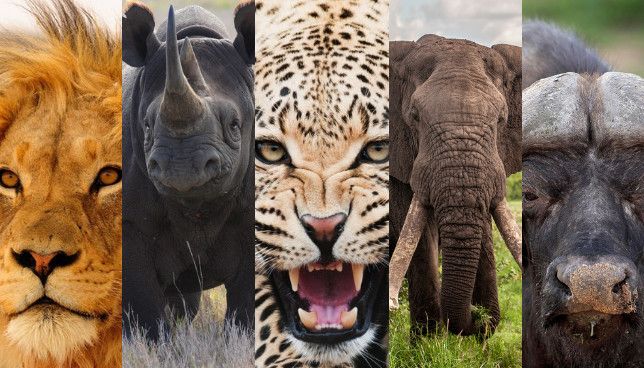
There is a place on the equator where the misty heights of a montane forest give way to the open savannah, where the deep, guttural belch of a silverback gorilla echoes from one valley while the roar of a lion carries across the next. That place is Uganda. For travelers seeking wildlife tours in Uganda, the promise is not a single experience but a complete spectrum of African wilderness condensed into one small, astonishing country. Unlike Kenya or Tanzania, where the focus is almost exclusively on savannah game drives, Uganda offers something rarer. You can track mountain gorillas through the impenetrable bamboo thickets of Bwindi before driving south to watch elephants bathe in the Kazinga Channel, then west to see tree climbing lions in Ishasha. This is not a compromise destination. This is a destination for the traveler who wants everything. At Nomara Safaris, we have spent years designing wildlife tours in Uganda that balance the physical intensity of primate tracking with the leisurely rhythm of traditional game drives. We understand that seeing a gorilla changes you, but seeing a leopard draped over a fig tree branch at sunset is equally essential. This guide will walk you through every element of planning wildlife tours in Uganda, from permit logistics to lodge selection, from the best time for chimpanzees to the secrets of finding the Big Five in a country better known for its primates.
What sets wildlife tours in Uganda apart from any other East African destination is the seamless combination of primate experiences and classic savannah game viewing. In no other country can you track mountain gorillas in the morning and then, within a few hours’ drive, sit beside a waterhole watching elephant herds gather at dusk. This is not theoretical. A well designed wildlife tour in Uganda can include gorilla trekking in Bwindi Impenetrable Forest, chimpanzee tracking in Kibale National Park, and Big Five game drives in Queen Elizabeth or Murchison Falls National Parks, all within a single ten day itinerary. The ecological diversity is staggering. Uganda sits at the intersection of East African savannah and Central African rainforest, meaning you get the classic safari animals of the Serengeti alongside the forest specialists of the Congo basin. For the traveler who cannot decide between a gorilla trek and a traditional safari, wildlife tours in Uganda offer the only logical answer: do both. Nomara Safaris specialises in itineraries that sequence these experiences intelligently, placing the physically demanding gorilla trek in the middle of the journey so you arrive rested and leave with time to decompress on the savannah.
Uganda is frequently overlooked by first time safari planners who default to Kenya or Tanzania. This is a mistake. While Tanzania offers the endless plains of the Serengeti and Kenya offers the drama of the Masai Mara, neither offers the diversity of wildlife tours in Uganda. Uganda is the only country in East Africa where you can reliably see mountain gorillas, chimpanzees, and the Big Five within the same trip. The country is smaller than Tanzania, which means shorter transfer times between parks, though the roads are less developed. The tourism infrastructure is less polished than Rwanda’s but significantly more affordable. Gorilla permits in Uganda cost USD 800 compared to USD 1,500 in Rwanda, a difference that matters for families and longer itineraries. What Uganda lacks in five star polish it makes up for in authenticity. The game drives feel wilder, the forests feel deeper, and the encounters feel earned. For the discerning traveler who values genuine experience over manufactured luxury, wildlife tours in Uganda deliver something that cannot be replicated elsewhere. Nomara Safaris has been operating in Uganda for over a decade, and our guide network knows every back road, every habituated gorilla group, and every secret waterhole where leopards drink at dusk.
We often recommend wildlife tours in Uganda to clients who have already done the classic Kenya Tanzania circuit. The reason is simple: Uganda offers novelty. You have seen lions on the Serengeti plains. You have watched elephants in Amboseli. But have you seen a chimpanzee using a tool in Kibale Forest? Have you tracked a gorilla through vegetation so thick that you hear the group before you see them? Have you watched the sun set over the Kazinga Channel with a hundred hippos grunting in the water below? These are the moments that wildlife tours in Uganda deliver for the seasoned safari traveler. Uganda also offers lower crowds than the Serengeti or Masai Mara during peak season. You will not queue for a river crossing. You will not share a lion sighting with twenty other vehicles. The intimacy of the Ugandan safari experience is its greatest asset. For travelers who have fallen in love with Africa and want to go deeper, Uganda is the natural next step. Nomara Safaris designs wildlife tours in Uganda specifically for repeat safari goers, prioritising off the beaten path experiences, exclusive lodge access, and specialised guiding focused on primates and forest ecology.
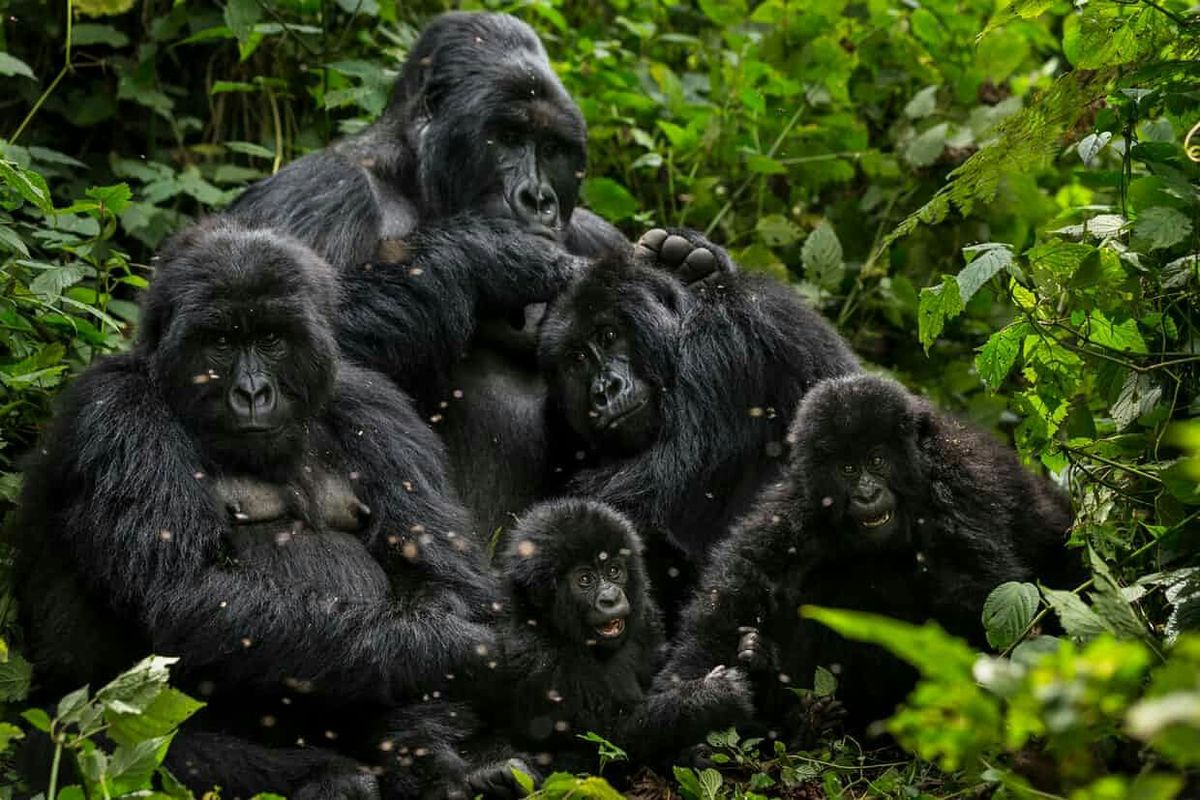
Bwindi Impenetrable Forest National Park is the single most important destination for wildlife tours in Uganda focused on gorilla trekking. This UNESCO World Heritage Site protects approximately half of the world’s remaining mountain gorilla population, roughly 450 individuals spread across more than twenty habituated groups. The forest lives up to its name. The vegetation is dense, the terrain is steep, and the trekking is genuinely challenging. But that challenge is part of the reward. Unlike the relatively gentle slopes of Rwanda’s Volcanoes National Park, Bwindi demands effort. You will climb, you will slip on mud, you will push through thick undergrowth. And then you will turn a corner and see a silverback watching you, and everything else will fall away. The gorilla families in Bwindi are distributed across four sectors: Buhoma, Ruhija, Rushaga, and Nkuringo. Each sector offers different trekking difficulty levels and different lodge options. Nomara Safaris selects the sector based on your fitness level and accommodation preferences. For travelers booking wildlife tours in Uganda primarily for the gorilla experience, we recommend two treks on consecutive days, as each habituated group offers a completely different social dynamic.
Securing gorilla permits is the most critical logistical step in planning wildlife tours in Uganda. Permits cost USD 800 per person for one hour with a habituated gorilla family. This price is significantly lower than Rwanda’s USD 1,500, making Uganda the more accessible option for families and longer itineraries. Permits must be booked through the Uganda Wildlife Authority, and availability is strictly limited to eight visitors per gorilla group per day. During peak season from June to September and December to February, permits can sell out three to six months in advance. Nomara Safaris manages the permit booking process for all our wildlife tours in Uganda, securing permits across multiple sectors to give you the best possible trekking experience. We recommend booking your permits at the same time as your accommodation, as the best lodges near the most popular trekking sectors fill up just as quickly. A common mistake is booking permits first and lodging second, only to find that the lodge closest to your designated trekking sector is fully booked. We handle both simultaneously.
A typical gorilla trek on wildlife tours in Uganda begins at 7:00 AM at the park headquarters for your designated sector. You will be assigned to a gorilla family based on your fitness level and preferences. The briefing covers basic rules: maintain a seven metre distance, no flash photography, no eating or drinking near the gorillas. Then you enter the forest with your guide and a team of trackers who located the gorillas’ sleeping site at dawn. The trek can last anywhere from thirty minutes to six hours, depending on how far the gorillas moved overnight. The terrain is steep, the elevation ranges from 1,400 to 2,600 metres, and the vegetation is thick. Porters are available for hire at the trailhead for approximately USD 15 to USD 20. Hire them. They carry your daypack and provide a steadying hand on slippery descents. When you find the gorillas, you have exactly one hour. The hour dissolves into moments: a mother nursing an infant, a juvenile tumbling in a play fight, the silverback methodically stripping a thistle stem. This hour is the reason you booked wildlife tours in Uganda.
Queen Elizabeth National Park is the most biodiverse savannah park on any wildlife tour in Uganda. It supports over 95 mammal species and more than 600 bird species, making it a destination in its own right. The park is divided into several sectors. The Kasenyi Plains offer classic open savannah game drives where lions, elephants, and buffalo are reliably sighted. The Mweya Peninsula, where the Kazinga Channel meets Lake Edward, is the hub of park activity. But the highlight of any visit to Queen Elizabeth is the boat safari on the Kazinga Channel. This natural waterway connects Lake George and Lake Edward and supports one of the highest concentrations of hippos in Africa, often numbering in the hundreds. From the boat, you will see elephants swimming, buffalo bathing, crocodiles basking, and kingfishers diving. The afternoon light on the water creates reflections that double the drama of every sighting. For travelers combining gorilla trekking with traditional wildlife tours in Uganda, Queen Elizabeth is the essential bridge. Nomara Safaris positions our clients in lodges overlooking the channel, where you can watch hippos graze on the lawn from your veranda.
The Ishasha Sector in the southern section of Queen Elizabeth National Park is famous for one thing: tree climbing lions. This behaviour is rare among lions globally, but the prides of Ishasha have perfected the art of lounging in the branches of large fig trees, their legs dangling over the sides. No one knows exactly why they climb. The prevailing theory suggests they escape the heat and biting insects on the ground, but whatever the reason, the sight of a lion sprawled across a fig branch is unforgettable. Ishasha is more remote than the main Murchison Falls sector of Queen Elizabeth, which means fewer vehicles and a more exclusive experience. However, the road network in Ishasha is rougher, and the dry season from June to September offers the best viewing. For wildlife tours in Uganda that prioritise the unusual and the exclusive, we recommend at least two nights in Ishasha. The tree climbing lions are not guaranteed, but your chances improve with time and a guide who knows the territory. Nomara Safaris schedules Ishasha as a two night stop between Bwindi and the northern parks, breaking up the drive and adding a unique wildlife spectacle.
Murchison Falls National Park is Uganda’s largest protected area and the most traditional Big Five destination on any wildlife tour in Uganda. The park is bisected by the Victoria Nile, which explodes through a seven metre wide gap in the rocks to create Murchison Falls, one of the most powerful waterfalls on earth. The boat trip to the base of the falls is spectacular, with hippos, crocodiles, and elephants lining the banks. But the game viewing on the northern bank of the Nile rivals anything in East Africa. The open savannah supports large herds of Rothschild’s giraffe, Cape buffalo, elephant, and Uganda kob. Lions are present, though they can be elusive. Leopards are also resident but require night drives to spot reliably. The combination of the falls, the boat safari, and the game drives makes Murchison a complete safari destination. For travelers booking wildlife tours in Uganda who want a classic savannah experience to complement their gorilla trek, Murchison is the answer. The park is less crowded than Queen Elizabeth, and the quality of the guiding at lodges like Baker’s Lodge or Chobe Safari Lodge is exceptional. Nomara Safaris recommends a minimum of two nights in Murchison.
No wildlife tour in Uganda focused on primates would be complete without chimpanzee tracking in Kibale National Park. Kibale protects the highest density of primates in Africa, with 13 species including red colobus, L’Hoest’s monkey, and grey cheeked mangabey. But the star attraction is the chimpanzee. Kibale has over 1,500 individuals, and several groups have been habituated for tracking. The experience is different from gorilla trekking. Chimpanzees are more dynamic, moving quickly through the trees, and the tracking can involve walking several kilometres. When you find them, you watch them socialise, groom, feed, and occasionally use tools, a behaviour that fascinated Jane Goodall. The highlight of any chimpanzee trek is the pant hoot chorus, a vocalisation that echoes through the forest and raises the hair on your arms. Kibale is located near the town of Fort Portal, which also offers access to the crater lakes and the Semuliki Valley. For wildlife tours in Uganda that include both gorillas and chimpanzees, we sequence Kibale before Bwindi, as the chimpanzee trek is less physically demanding and serves as a warm up for the gorillas. Nomara Safaris can also arrange a chimpanzee habituation experience, where you spend the full day with a group undergoing habituation, a deeper and more exclusive encounter.
The best time for wildlife tours in Uganda depends on your priorities. The dry seasons, from June to September and December to February, offer the easiest trekking conditions for gorillas and chimpanzees. The trails are less muddy, and the vegetation is thinner, making wildlife spotting easier across all parks. These are also peak seasons for wildlife tours in Uganda, with higher prices and fuller lodges. The wet seasons, from March to May and October to November, offer lower prices and fewer crowds. Gorilla trekking is still possible, but the trails are slippery, and the rain can be heavy. However, the wet season is the best time for bird watching, as migratory species arrive and resident birds display breeding plumage. For travelers who prioritise budget and solitude over perfect weather, the shoulder months of June and early December offer the best balance. Nomara Safaris advises clients based on their specific priorities. If you are physically less mobile, we recommend the dry season. If you are a keen birder or budget conscious, we recommend the wet season. Either way, wildlife tours in Uganda are possible year round, which cannot be said for all African destinations.
Understanding the cost of wildlife tours in Uganda requires separating permit costs from safari package costs. Gorilla permits are USD 800 per person. Chimpanzee tracking permits are USD 250 per person in Kibale. Park entrance fees range from USD 40 to USD 60 per park per day. Accommodation ranges from budget options at USD 150 per night to luxury lodges at USD 600 to USD 1,200 per night. A typical 10 day wildlife tour in Uganda combining gorilla trekking, chimpanzee tracking, and savannah game drives ranges from USD 5,000 to USD 8,000 per person for a mid range private safari, and USD 8,000 to USD 12,000 for a luxury private safari. These prices include accommodation, a private vehicle and guide, park fees, and permits. They do not include international flights, travel insurance, or gratuities. The value proposition of wildlife tours in Uganda compared to Rwanda is significant: a family of four saves USD 2,800 on gorilla permits alone by choosing Uganda. Nomara Safaris provides fully transparent, itemised quotations for every wildlife tour in Uganda, with no hidden fees.
This 10 day wildlife tour in Uganda combines gorilla trekking, chimpanzee tracking, and savannah game drives. Day one: arrive at Entebbe International Airport, transfer to Kibale National Park with a stop at the Ziwa Rhino Sanctuary. Day two: chimpanzee tracking in Kibale, afternoon visit to the crater lakes. Day three: drive to Queen Elizabeth National Park, evening game drive on the Kasenyi Plains. Day four: morning game drive, afternoon Kazinga Channel boat safari. Day five: drive to Ishasha Sector, afternoon game drive searching for tree climbing lions. Day six: morning game drive in Ishasha, then drive to Bwindi Impenetrable Forest. Day seven: gorilla trekking in Bwindi. Day eight: second gorilla trek or rest day with community visit. Day nine: drive to Lake Mburo National Park for a final game drive and walking safari. Day ten: morning game drive, then return to Entebbe for departure. This itinerary offers the complete spectrum of wildlife tours in Uganda.
Accommodation on wildlife tours in Uganda ranges from comfortable tented camps to world class luxury lodges. Near Bwindi, Sanctuary Gorilla Forest Camp offers six tented suites tucked into the forest edge, with views over the treetops. Clouds Mountain Gorilla Lodge, near the Nkuringo sector, sits at 2,200 metres, offering stunning views of the Virunga volcanoes. Buhoma Lodge provides simple luxury steps from the park headquarters. Each of these lodges includes private bathrooms, hot water, excellent food, and guided activities on rest days. Prices range from USD 600 to USD 1,200 per night. The key decision is proximity to your assigned trekking sector. Nomara Safaris secures permits and lodge bookings together, ensuring you stay within a short drive of your gorilla briefing point. Many of these lodges also offer spa treatments for post trek muscle recovery, a welcome addition after a strenuous hike.
For the savannah portion of wildlife tours in Uganda, the lodge experience is as important as the game viewing. In Queen Elizabeth, Mweya Safari Lodge sits on a peninsula overlooking the Kazinga Channel, with rooms that look directly onto the water where hippos congregate. Kyambura Gorge Lodge, run by Volcanoes Safaris, offers luxury cottages overlooking the Kyambura Gorge, famous for its chimpanzees. In Murchison Falls, Baker’s Lodge offers five bandas on the southern bank of the Nile, with uninterrupted views of the river and falls. Chobe Safari Lodge is a larger property on the northern bank, with a pool overlooking the Nile. These lodges range from USD 300 to USD 800 per night. Most include game drives and boat safaris in their rates. The quality of food and service at these lodges is excellent, with chefs trained in international and local cuisine.
Is Uganda safe for wildlife tours?
Uganda is safe for wildlife tours in Uganda when you follow standard travel precautions. The tourism areas, including Bwindi, Queen Elizabeth, Kibale, and Murchison Falls, are stable and well protected by Uganda Wildlife Authority rangers and tourism police. Entebbe and Kampala have occasional petty crime, but Nomara Safaris uses private transfers to minimise exposure. The greatest safety risk is the road conditions, not crime or wildlife. Our guides are trained defensive drivers, and we use only well maintained vehicles. Regarding health, malaria prophylaxis is essential for all savannah areas, and yellow fever vaccination is required for entry. Drink only bottled water. With these precautions, wildlife tours in Uganda present no greater risk than travel to other East African destinations. The perception of Uganda as unstable is outdated.
How fit do I need to be for gorilla trekking in Uganda?
You need moderate fitness for gorilla trekking on wildlife tours in Uganda. The terrain in Bwindi is steep, muddy, and uneven, with elevations from 1,400 to 2,600 metres. Some treks take thirty minutes, others take six hours. You do not need to be an athlete, but you should be able to walk on uneven ground for several hours. Trekking poles are provided, and porters are available for hire to carry your daypack and offer a steadying hand. Travelers with significant mobility issues should consider hiring a sedan chair, though this must be arranged in advance. Nomara Safaris asks all clients completing wildlife tours in Uganda to complete a fitness questionnaire before booking gorilla permits. We do not recommend gorilla trekking for anyone with severe heart or respiratory conditions.
Can I combine Uganda with Rwanda or Kenya on one trip?
Yes, combining Uganda with Rwanda or Kenya is common on wildlife tours in Uganda. The Uganda Rwanda combination is the most popular, as you can fly into Kigali, trek gorillas in Volcanoes National Park, then drive across the border to Bwindi for a second trek. This allows you to experience two different gorilla habitats. The Uganda Kenya combination is also possible, though it requires a flight from Entebbe to Nairobi. A typical combined itinerary might be five days in Kenya’s Masai Mara for the Migration, then seven days in Uganda for gorillas and chimpanzees. Nomara Safaris coordinates all cross border logistics including visas, which for the East African Tourist Visa covers Kenya, Uganda, and Rwanda for a single fee. Multi country wildlife tours in Uganda require careful routing to minimise travel days.
What should I pack for wildlife tours in Uganda?
Packing for wildlife tours in Uganda requires preparation for both forest and savannah conditions. For gorilla trekking, bring waterproof hiking boots with ankle support, long trousers and sleeves for protection from stinging nettles, gardening gloves, a waterproof jacket, and a daypack. For savannah game drives, bring neutral coloured clothing, a hat, sunglasses, sunscreen, and a warm layer for morning drives. A good pair of binoculars is essential, as is a camera with a zoom lens of at least 300mm. Do not bring camouflage clothing, as it is restricted to military use. Pack light, as internal flights have baggage limits of 15 kilogrammes. Nomara Safaris provides a detailed packing list for every client booking wildlife tours in Uganda, tailored to the season and specific activities in your itinerary.
The decision to book wildlife tours in Uganda is a decision to choose diversity over specialisation. You will not see the endless plains of the Serengeti. You will see something rarer: a silverback tearing a thistle stem, a chimpanzee pant hooting in the mist, a lion draped over a fig tree branch, an elephant swimming across the Kazinga Channel. These are not typical safari moments. They are distinctly Ugandan. At Nomara Safaris, we have designed wildlife tours in Uganda for over a decade. We know which gorilla groups offer easier treks. We know which lodges pour the best sundowners. We know which guides can find the tree climbing lions when they have moved to new trees. Contact Nomara Safaris to begin planning your wildlife tour in Uganda. Tell us your dream, your fitness level, your budget, and your travel dates. We will respond with a proposed itinerary within 24 hours. No obligation. Just the beginning of a conversation about the most biodiverse safari destination in East Africa.