
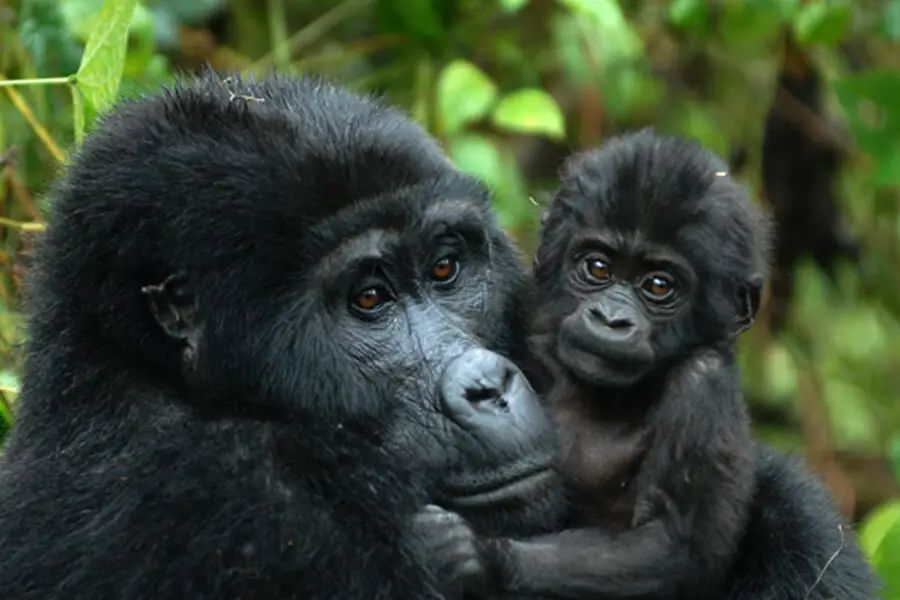
Choosing the best time for gorilla trekking is one of the most important decisions you will make when planning your safari. The timing affects the difficulty of the trek, the quality of the experience, the prices you will pay, and the number of other trekkers you will encounter. Gorilla trekking is possible year-round in both Uganda and Rwanda. The gorillas do not migrate. They do not hibernate. They are always there. But the conditions change dramatically between the dry and wet seasons. The ideal time to visit for a traveler might be the dry season, when trails are easier, and visibility is better. For another traveler, the best season might be the wet season, when prices are lower, crowds are thinner, and the landscapes are lush and green. This guide to the best time for gorilla trekking compares the dry and wet seasons in detail. You will learn about monthly conditions, the advantages and disadvantages of each season, and how to choose the best time for your gorilla trekking safari based on your priorities. At Nomara Safaris, we have guided trekkers in every season. We know the best time for gorilla trekking for families, budget travelers, photographers, and those who want the easiest possible trekking conditions. Ready to book? See our 4-Day Rwanda Gorilla Trekking Safari.
Both Uganda and Rwanda are located near the equator, so they do not have the traditional four seasons of Europe or North America. Instead, they have dry seasons and wet seasons. The dry seasons are generally considered the best time to go for most travelers, offering easier trail conditions, better visibility, and more predictable weather. The wet seasons offer lower prices, fewer crowds, and lush green landscapes, but the trekking is more challenging. The timing of the seasons is similar in both countries, with slight variations. The main dry season runs from June to September. There is a shorter dry season from December to February. The main wet season runs from March to May. There is a shorter wet season in October and November. The ideal time to visit depends on which of these factors you prioritise. This guide breaks down each season in detail.
The dry season is widely considered the best time for gorilla trekking for most travelers. From June to September, and again from December to February, rainfall is at its lowest. The trails are less muddy, making the trekking significantly easier. The vegetation is thinner, making the gorillas easier to spot and photograph. The weather is more predictable, with sunny mornings and occasional afternoon showers. The dry season is the peak time for gorilla trekking, so prices are higher and lodges fill up quickly. You should book your permits and accommodation six to nine months in advance.
The advantages of traveling in the dry season are significant. The trekking is less physically demanding. You are less likely to slip on muddy trails. The gorillas are easier to find because the trackers can move more quickly through the forest. The photography conditions are better, with clearer light and less mist. The disadvantages are higher prices and more crowds. The trails can be busier, especially in the popular sectors of Bwindi and Volcanoes. For travelers who want the easiest possible trekking conditions and are willing to pay a premium, the dry season is the best time for gorilla trekking. If you are traveling between June and September, see our guide to the best lodges near Volcanoes National Park.
The wet season is the best time for gorilla trekking for budget-conscious travelers and those who prefer solitude. From March to May, and again in October and November, rainfall is higher. The trails become muddy and slippery. The trekking is more challenging. The vegetation is thicker, making the gorillas harder to spot. However, the wet season offers significant advantages. Prices drop by 30 to 50 percent at many lodges. The crowds disappear. You may have the gorillas to yourself. The landscapes are lush and green, with wildflowers and flowing streams. The birding is exceptional, with migratory species present.
The wet season, the best time for gorilla trekking, requires preparation. You need good waterproof hiking boots, a waterproof jacket, and a change of clothes. You should hire a porter to help you navigate the slippery trails. The rain usually falls in afternoon storms that clear quickly, so mornings can still be good for trekking. For travelers on a budget, for repeat visitors, or for those who prioritise solitude over ease, the wet season is the best time for gorilla trekking. The wet season is the best time for gorilla trekking. Make sure you pack waterproof gear. See our guide to the best lodges in Bwindi. The gorillas are still there. The gorillas are still there. The experience is still profound. You just have to work a little harder for it.
January is part of the short dry season and is an excellent time for gorilla trekking. The weather is generally dry and sunny. The trails are in good condition. This is a popular month for travel, so book early. January is one of the best months for combining gorilla trekking with a safari in Tanzania or Kenya.
February is also in the short dry season and is a wonderful time for gorilla trekking. The weather is similar to January. The trails are dry. The vegetation is manageable. February is the peak of the wildebeest calving season in the Serengeti, making it an excellent month for combining gorilla trekking with a Tanzania safari.
March marks the beginning of the long wet season. Rainfall increases, especially in the afternoons. The trails become muddier. This is an excellent time for budget travelers, as lodge prices drop significantly. The birding is exceptional.
April is the wettest month of the year in both Uganda and Rwanda. Heavy rainfall is common. Some lodges close for refurbishment. Trekking is challenging. However, prices are at their lowest. For adventurous travelers who do not mind mud, April can be a rewarding time for gorilla trekking with very few other tourists.
May is still wet, but rainfall begins to decrease toward the end of the month. The trails remain muddy. Prices are still low. May is a good month for budget travelers who want better conditions than April but still want lower prices.
June marks the beginning of the long dry season. This is widely considered the best time for gorilla trekking. The trails are drying out. The weather is sunny and pleasant. The vegetation is thinning. June is less crowded than July and August, making it an excellent choice.
July is peak dry season and peak tourist season. This is the best time for gorilla trekking for those who want the easiest possible conditions. The trails are dry. The visibility is excellent. The weather is predictable. Book permits and lodges at least six months in advance.
August is similar to July, with dry conditions and peak crowds. This is the best time for gorilla trekking for those who prioritise easy trekking over solitude. The river crossings in the Masai Mara and Serengeti are also at their peak, making August excellent for combining gorilla trekking with a Migration safari.
September is still dry, but the crowds begin to thin slightly. This is one of the best times for gorilla trekking, offering excellent conditions with fewer tourists than July and August. The weather is still sunny and pleasant.
October is a transition month. Early October is still dry. Late October sees the beginning of the short wet season. This is a good month for travelers who want decent conditions with lower prices. The birding improves as migratory species arrive.
November is in the short wet season. Rainfall increases, especially in the afternoons. The trails become muddier. Prices are lower. This is a good month for budget travelers. The landscapes are lush and green.
December is the end of the short wet season, transitioning into the short dry season. Early December can still be wet. Late December is drier and sunnier. This is a popular month for holiday travel, so book early. December is a good time for gorilla trekking for those traveling during the Christmas holidays.
| Factor | Dry Season (Jun-Sep, Dec-Feb) | Wet Season (Mar-May, Oct-Nov) |
|---|---|---|
| Trail Conditions | Dry, firm, easy | Muddy, slippery, challenging |
| Trekking Difficulty | Easier | Harder |
| Gorilla Visibility | Good, thinner vegetation | Fair, thicker vegetation |
| Weather | Sunny, predictable | Rain likely, especially afternoons |
| Crowds | High | Low |
| Lodge Prices | Peak rates | 30 to 50 percent lower |
| Permit Availability | Limited, book early | Good availability |
| Photography | Good light, clearer views | Moody light, misty atmosphere |
| Birding | Good | Exceptional, migratory species |
| Best For | Easy trekking, families, first-timers | Budget travelers, solitude, birders |
This table helps you decide which season is the best time for gorilla trekking for your specific priorities. If easy trekking and predictable weather are your priorities, choose the dry season. If budget, solitude, and lush landscapes are your priorities, choose the wet season.
For first time trekkers, the dry season is the best time for gorilla trekking. The easier conditions mean you can focus on the experience rather than struggling with mud and slippery trails. The higher prices are worth the reduced physical demands.
For budget travelers, the wet season is the best time for gorilla trekking. The lower lodge prices and fewer crowds make the safari more affordable. You will have to work harder on the trek, but the saving of hundreds or thousands of dollars is worth it.
For photographers, the dry season offers better light and clearer views, making it the best time for gorilla trekking. However, the wet season offers moody, atmospheric conditions with mist and dramatic clouds. Both seasons have their photographic merits.
For families with teenagers, the dry season is the best time for gorilla trekking. The easier conditions are better for younger or less experienced hikers. The more predictable weather also makes planning easier.
For birders, the wet season is the best time for gorilla trekking. Migratory species are present, and the resident birds are in breeding plumage. The lush green landscapes also provide beautiful backdrops for bird photography.
For repeat trekkers, the wet season offers a different experience. The forest is greener, the crowds are gone, and the trekking is more adventurous. For those who have already trekked in the dry season, the wet season is the best time for gorilla trekking to see a different side of the forest.
September is widely considered the best month for gorilla trekking. The dry season is still in full effect, so trails are dry and easy. The crowds of July and August have thinned. The weather is sunny and pleasant. For travelers who want the best combination of good conditions and manageable crowds, September is the best time for gorilla trekking. June is also excellent, with even fewer crowds. Both months offer the dry season advantages without the peak season congestion.
Yes, you can trek gorillas in the wet season. The gorillas are present year-round. The trekking is more challenging because the trails are muddy and slippery, but it is absolutely possible. You need good waterproof hiking boots, a waterproof jacket, and a porter. The wet season is the best time for gorilla trekking for budget travelers and those who want solitude. The rain usually falls in afternoon storms that clear quickly. Many travelers consider the lush green landscapes worth the extra effort.
The best time for gorilla trekking is similar in both Uganda and Rwanda, as they have comparable equatorial climates. However, there are slight differences. Bwindi in Uganda is at lower altitude and receives more rainfall than Volcanoes in Rwanda. The wet season in Bwindi can be muddier. Volcanoes in Rwanda has better trail maintenance, making the wet season more manageable. For travelers who must travel in the wet season, Rwanda may be the better choice. For the dry season, both countries are excellent.
For the dry season, which is the best time for gorilla trekking for most travelers, you should book your permits and accommodation six to nine months in advance. Permits for the popular gorilla families sell out quickly. The best lodges also fill up early. For travel in July, August, or September, book as early as possible. For the short dry season in December to February, book four to six months in advance. Nomara Safaris handles all bookings as part of your gorilla trekking safari package.
The best time for gorilla trekking does not perfectly align with the best time for a savannah safari in Tanzania or Kenya. The dry season for gorilla trekking from June to September and December to February is also excellent for savannah safaris. However, the wet season for gorilla trekking from March to May and October to November is not ideal for savannah safaris because the roads in the Serengeti and Masai Mara can become impassable. For combined itineraries, schedule your gorilla trekking during the dry season to align with optimal savannah conditions.
Choosing the best time for gorilla trekking is essential for a successful safari. Whether you prefer the easy conditions of the dry season or the budget-friendly solitude of the wet season, Nomara Safaris can design the perfect itinerary. We know the best time for gorilla trekking for families, for photographers, for budget travelers, and for first-time trekkers. Contact Nomara Safaris to begin planning your gorilla trekking safari. Contact Nomara Safaris to begin planning your gorilla trekking safari, or view our Rwanda Gorilla Trekking Packages. Tell us your priorities and your preferred travel dates. We will recommend the best time for gorilla trekking based on your needs.