
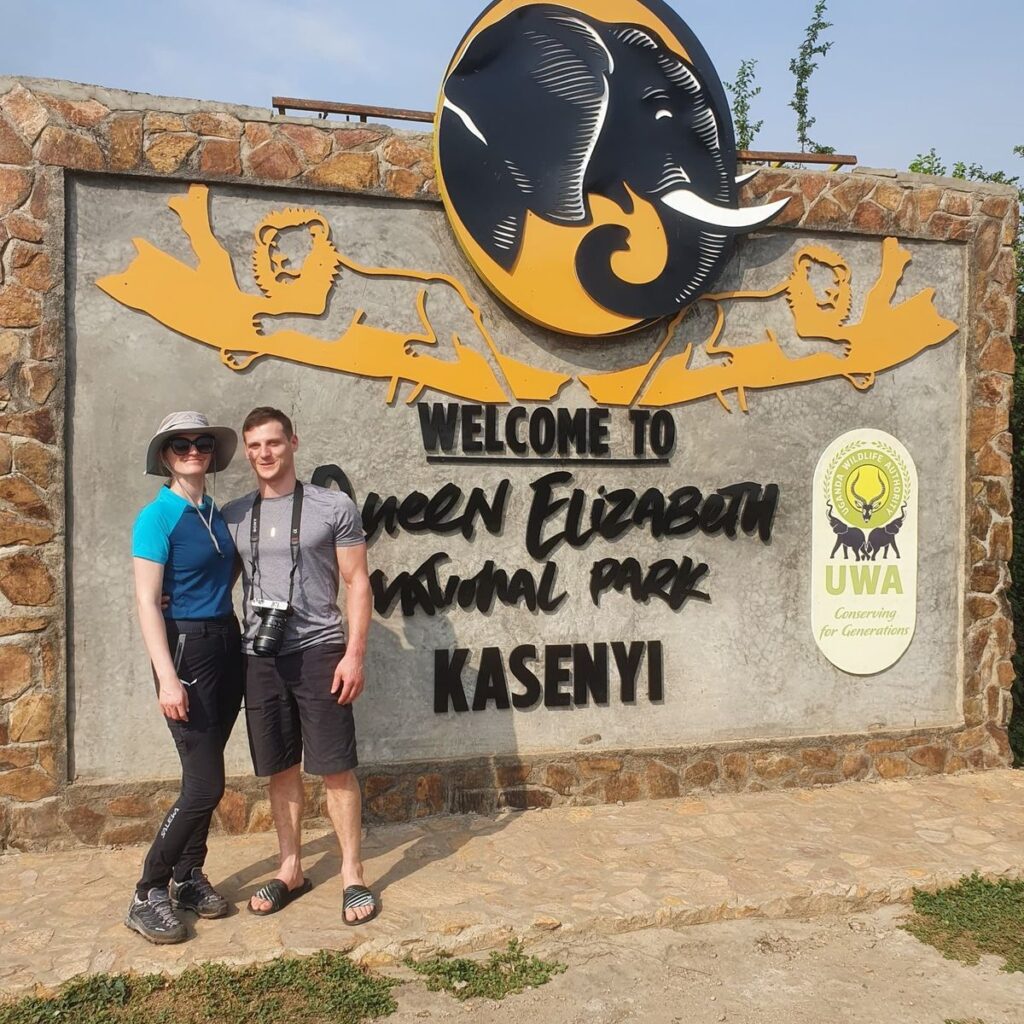
Queen Elizabeth National Park is Uganda’s most popular savannah destination and one of the most diverse wildlife reserves in Africa. The park is famous for its tree climbing lions in the Ishasha sector, the spectacular Kazinga Channel boat safari, and the chimpanzees of Kyambura Gorge. The park supports over 95 mammal species and more than 600 bird species, making it a paradise for wildlife lovers. The landscape is breathtaking, with crater lakes, open savannah, wetlands, and forested gorges. This Queen Elizabeth National Park guide covers everything you need to know for an unforgettable visit. You will learn about the famous tree climbing lions of Ishasha, the Kazinga Channel boat safari, chimpanzee tracking in Kyambura Gorge, the best game viewing areas, the top lodges, the best time to visit, and how to get there. Whether you are combining Queen Elizabeth with gorilla trekking in Bwindi or visiting as a standalone safari, this Queen Elizabeth National Park guide will help you plan the perfect adventure.
Queen Elizabeth National Park covers approximately 1,978 square kilometres in western Uganda, at the base of the Rwenzori Mountains. The park was established in 1952 and was originally called Kazinga National Park. It was renamed to honour a visit by Queen Elizabeth II. The park is divided into several distinct sectors, each with its own character and wildlife. The Kasenyi Plains offer open savannah and excellent lion viewing. The Kazinga Channel area is known for the boat safari and concentrations of hippos and elephants. The Ishasha sector, in the southern part of the park, is famous for its tree climbing lions. The Kyambura Gorge is known for chimpanzee tracking and the underground forest. The crater lakes area offers stunning scenery and flamingos.
The park supports over 95 mammal species, including lion, leopard, elephant, buffalo, hippo, and over 10 species of primates. The birding is exceptional, with over 600 species recorded. This Queen Elizabeth National Park guide focuses on the park’s highlights, but there is far more to discover. The park is a UNESCO Biosphere Reserve, recognised for its outstanding biodiversity and the relationship between people and nature. For travelers combining Queen Elizabeth with gorilla trekking in Bwindi, the park is a perfect complement, offering savannah wildlife after the forest experience.
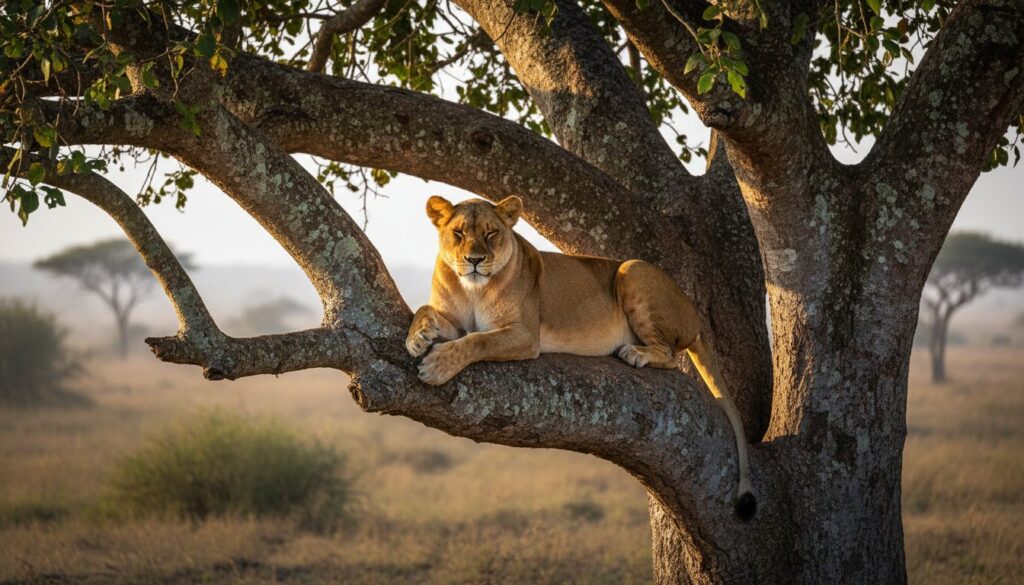
The tree climbing lions of Ishasha are the most famous attraction in Queen Elizabeth National Park. This unique behaviour, where lions lounge in the branches of large fig trees, is rare in Africa. The lions of Ishasha have perfected the art of resting in the trees during the heat of the day, their legs dangling over the sides. No one knows exactly why they climb. The prevailing theory suggests they escape the heat and biting insects on the ground. Whatever the reason, the sight of a lion sprawled across a fig branch is unforgettable. The Ishasha sector is located in the southern part of the park, approximately two hours from the main Mweya area.
The tree climbing lions of Ishasha are not guaranteed. They are wild animals, and they do not always choose to climb. Your chances are best during the dry season from June to September and December to February, when the trees are less leafy and the lions are more visible. The early morning and late afternoon are the best times for sightings. The Ishasha sector is more remote than the northern parts of the park. There are fewer lodges and fewer vehicles. The exclusivity adds to the experience. This Queen Elizabeth National Park guide recommends spending at least two nights in Ishasha to maximise your chances of seeing the tree climbing lions. The lions are the main draw, but the sector also supports large herds of buffalo, topi, and kob.
The Kazinga Channel boat safari is the signature activity of Queen Elizabeth National Park and one of the finest boat safaris in Africa. The channel connects Lake George and Lake Edward, stretching for 32 kilometres. The banks of the channel support one of the highest concentrations of hippos in Africa, often numbering in the hundreds. The boat safari takes you along the channel, giving you close up views of hippos, crocodiles, elephants, buffalo, and a stunning array of waterbirds. The boat launch is located near the Mweya Peninsula, close to the park headquarters.
The boat safari lasts approximately two hours. You can choose the morning trip at 9:00 AM or the afternoon trip at 2:00 PM. The afternoon trip offers spectacular light for photography as the sun begins to set behind the channel. You will see hippos grunting and splashing, their eyes and nostrils just above the water. Crocodiles bask on the banks, their mouths open to regulate temperature. Elephants come to the water’s edge to drink. Buffalo wade in the shallows. The birdlife is extraordinary, with African fish eagles, kingfishers, herons, and the rare shoebill stork occasionally seen. The Kazinga Channel boat safari is included in most Queen Elizabeth National Park guide itineraries and is not to be missed.
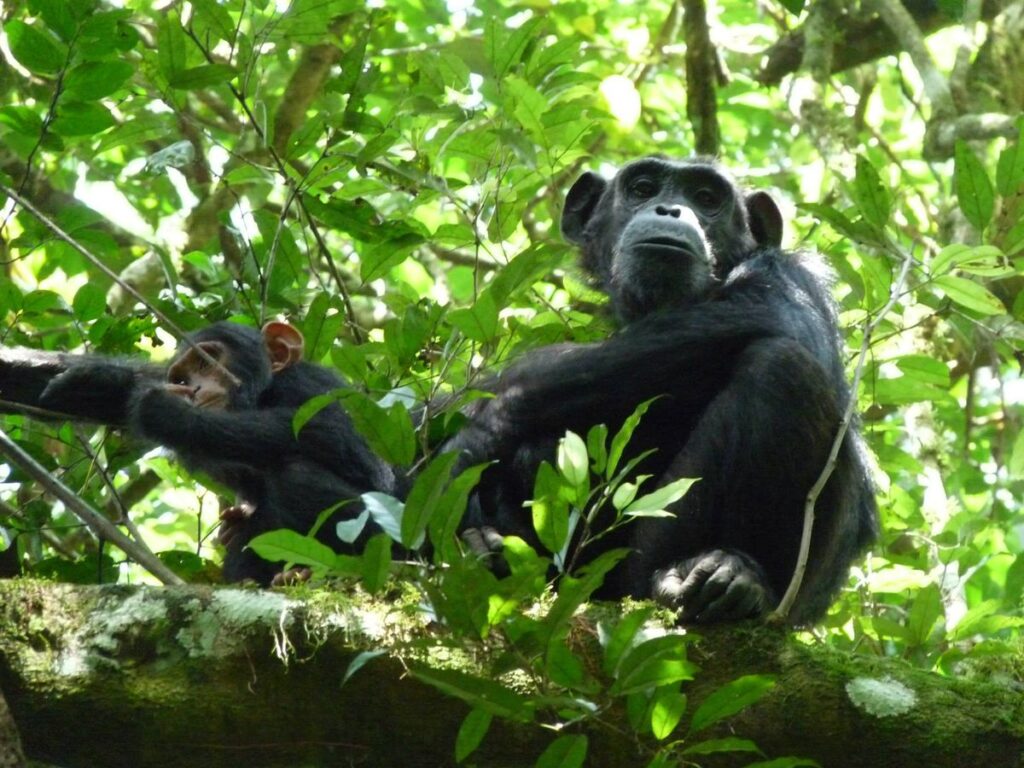
Kyambura Gorge is an underground forest formed by a collapsed river valley, located in the eastern part of Queen Elizabeth National Park. The gorge is home to a habituated community of chimpanzees, estimated at 15 to 30 individuals. Chimpanzee tracking in Kyambura Gorge is a unique experience. You descend into the gorge, walking along the riverbed through lush forest. The walls of the gorge rise 100 metres above you. The chimpanzees move quickly through the trees, and the tracking can be challenging. The trek lasts two to four hours, depending on where the chimpanzees are feeding.
The chimpanzee tracking permit for Kyambura Gorge costs approximately USD 250 per person. The permit is separate from the park entry fee. The best time for chimpanzee tracking is during the dry seasons from June to September and December to February. The trails are less muddy, and the chimpanzees are easier to find. The wet season can be slippery, but the forest is lush and beautiful. The Kyambura Gorge is also home to other primates, including black and white colobus monkeys, red tailed monkeys, and olive baboons. The birding is excellent, with over 130 species recorded in the gorge. This Queen Elizabeth National Park guide recommends booking your chimpanzee tracking permit in advance, as only a limited number are available each day.
Beyond the tree climbing lions, the boat safari, and the chimpanzees, Queen Elizabeth National Park offers excellent game viewing across its various sectors. The Kasenyi Plains are the best area for lion viewing. The open savannah supports large herds of Uganda kob, which attract lions. The lions of Kasenyi are known for their hunting skills and are often seen on morning game drives. The area also supports hyenas, leopards, and side striped jackals. The Mweya Peninsula, where the park headquarters is located, offers good game viewing close to the channel.
The crater lakes area, located between the Kasenyi Plains and the Kazinga Channel, offers stunning scenery. The lakes were formed by volcanic activity and are now home to flamingos and other waterbirds. You can drive a loop around the crater lakes, stopping at viewpoints for photographs. The area also supports elephants and buffalo. The Katunguru Bridge area is known for its birdlife, including the African skimmer and the papyrus gonolek. The Maramagambo Forest, on the southern edge of the park, offers guided forest walks and a visit to the bat cave. This Queen Elizabeth National Park guide recommends spending at least three to four days in the park to explore its diversity.
The best time to visit Queen Elizabeth National Park is during the dry seasons from June to September and December to February. The roads are dry, and wildlife viewing is at its peak as animals congregate around water sources. The tree climbing lions of Ishasha are more visible as the trees lose their leaves. The Kazinga Channel boat safari is excellent year round, but the dry season offers clearer skies. The chimpanzee tracking in Kyambura Gorge is easier during the dry season, as the trails are less muddy.
The wet seasons from March to May and October to November have advantages. The landscape is lush and green. The birding is exceptional, with migratory species present. The crowds are smaller. Some lodges offer lower rates. The boat safari is still possible, and the wildlife is still present. The biggest drawback is that some roads, especially in the Ishasha sector, can become impassable after heavy rain. If you are visiting primarily for the tree climbing lions, the dry season is strongly recommended by this Queen Elizabeth National Park guide. For birders, the wet season is excellent.
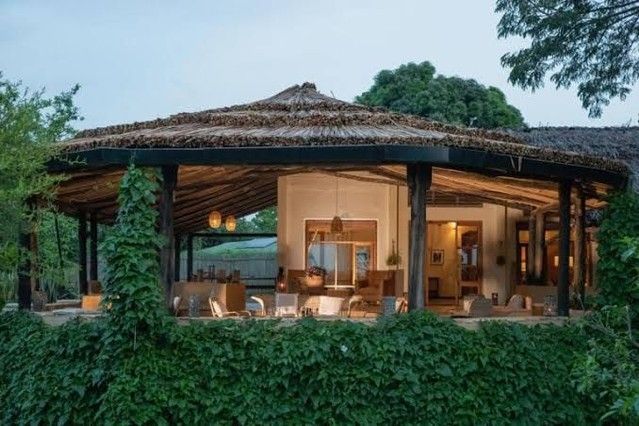
Queen Elizabeth National Park has a wide range of accommodation options, from luxury lodges to budget campsites. Kyambura Gorge Lodge is a luxury property perched on the edge of the gorge, offering stunning views and a spa. The lodge is known for its exceptional service and beautiful design. Mweya Safari Lodge is the most iconic property in the park, located on a peninsula overlooking the Kazinga Channel. The lodge has a swimming pool, a spa, a restaurant, and a bar. The views of the channel are spectacular. Ishasha Wilderness Camp is a luxury tented camp in the Ishasha sector, focused on the tree climbing lions. The camp is seasonal and intimate.
For mid range travellers, Elephant Hub Lodge offers comfortable rooms on the Kasenyi Plains with excellent game drive access. Park View Safari Lodge offers a swimming pool and great views. Buffalo Safari Lodge is located near the Kazinga Channel and offers a swimming pool. For budget travellers, Pumba Safari Cottages offers simple rooms near the park headquarters. Simba Safari Camp offers bandas and tents. The public campsites at Mweya and Ishasha offer the lowest cost accommodation for self drive travellers. This Queen Elizabeth National Park guide recommends booking your accommodation well in advance, especially during the dry season and for the Ishasha sector.
Queen Elizabeth National Park is accessible by road and by air. The most common route is by road from Kampala. The drive takes approximately six to seven hours, covering 400 kilometres. The road is paved for most of the journey, with a final section of dirt road. You can also fly from Entebbe or Kampala to Kasese airstrip or Mweya airstrip. The flight takes approximately one hour. Charter flights are available through several operators. Flying is more expensive but saves time and offers spectacular aerial views of the Rwenzori Mountains and the park.
Most visitors approach the park from the east, entering through the main gate near the town of Bushenyi. From there, you drive to the Mweya Peninsula. If you are visiting the Ishasha sector, you approach from the south. Ishasha is approximately two hours from the main Mweya area. The roads in the park are generally well maintained during the dry season but can be challenging after rain. A 4×4 vehicle is recommended, especially for the Ishasha sector. Your driver guide will handle the logistics. This Queen Elizabeth National Park guide recommends hiring a professional driver guide for your safety and to maximise your wildlife viewing.
The tree climbing lions are found in the Ishasha sector of Queen Elizabeth National Park. This is the southern part of the park, approximately two hours from the main Mweya area. The lions lounge in the branches of large fig trees during the heat of the day. They are wild animals, so sightings are not guaranteed. Your chances are best during the dry season from June to September and December to February. This Queen Elizabeth National Park guide recommends spending at least two nights in Ishasha to maximise your chances.
The Kazinga Channel boat safari costs approximately USD 30 to USD 40 per person. The two hour trip departs from the Mweya jetty. The fee is separate from the park entry fee. The boat safari is offered twice daily at 9:00 AM and 2:00 PM. The afternoon trip offers spectacular light for photography. You can book the boat safari at your lodge or at the Mweya jetty. Nomara Safaris includes the Kazinga Channel boat safari in our Queen Elizabeth itineraries.
Yes, you can see chimpanzees in Kyambura Gorge in the eastern part of Queen Elizabeth National Park. The gorge is home to a habituated community of chimpanzees. The chimpanzee tracking permit costs approximately USD 250 per person. The trek lasts two to four hours. You can also see chimpanzees in the nearby Kalinzu Forest, which is less crowded. This Queen Elizabeth National Park guide recommends booking your permit in advance.
The best time to visit Queen Elizabeth National Park is during the dry seasons from June to September and December to February. The roads are dry, wildlife viewing is excellent, and the tree climbing lions are more visible. The wet seasons from March to May and October to November offer lush landscapes, excellent birding, and lower prices, but the roads can be challenging. For the tree climbing lions, the dry season is strongly recommended.
Yes, Queen Elizabeth National Park is safe for tourists. The park is well managed by the Uganda Wildlife Authority. Armed rangers patrol the park. Crime against tourists is extremely rare. Follow your guide’s instructions, stay in your vehicle during game drives except at designated viewing points, and do not walk in the bush without a ranger. The greatest risks are slipping on muddy trails or driving accidents on rough roads. This Queen Elizabeth National Park guide advises hiring a professional driver guide for your safety.
Queen Elizabeth National Park offers one of the most diverse and rewarding safari experiences in Africa. The tree climbing lions of Ishasha, the Kazinga Channel boat safari, and the chimpanzees of Kyambura Gorge are just the highlights. At Nomara Safaris, we design Queen Elizabeth itineraries that include game drives, the boat safari, chimpanzee tracking, and the tree climbing lions. Contact Nomara Safaris to begin planning your Queen Elizabeth safari. Tell us your preferred travel dates and group size. We will create a custom itinerary that showcases the best of this remarkable park.