
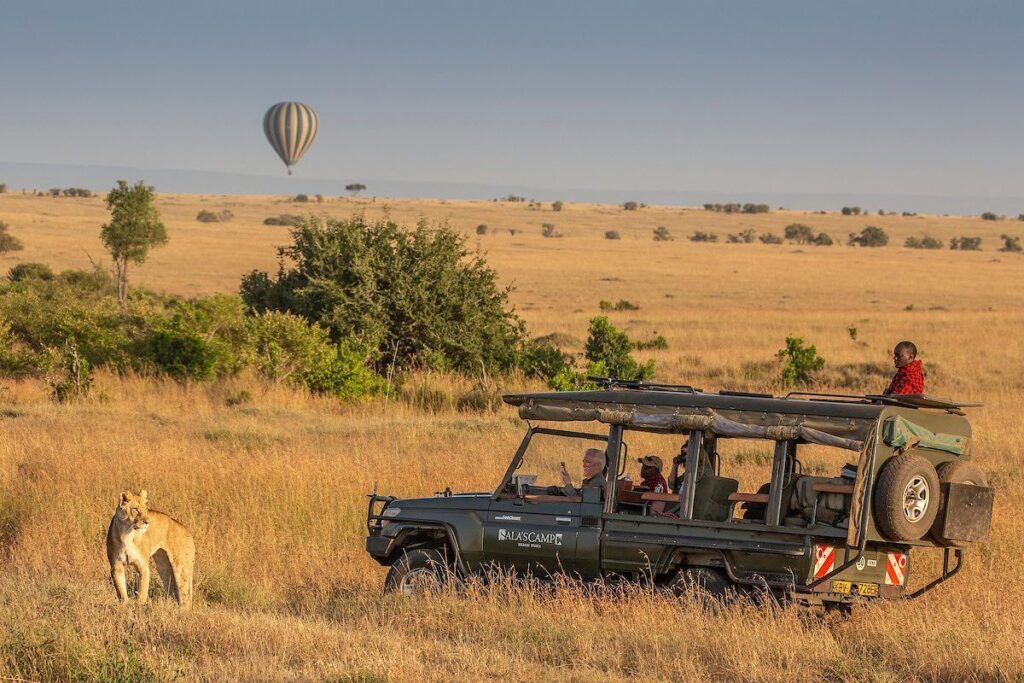
The Masai Mara is Kenya’s most famous wildlife reserve and one of the greatest safari destinations on earth. The rolling grasslands stretch to every horizon, dotted with acacia trees that frame the perfect safari photograph. The wildlife density is extraordinary, with lions, leopards, elephants, buffalo, and cheetah all present in healthy numbers. And then there is the Great Migration, the largest overland mammal movement on earth, where 1.5 million wildebeest and 200,000 zebra pour across the Mara River in a spectacle of dust, thunder, and raw survival. This Masai Mara safari guide covers everything you need to know for an unforgettable visit. You will learn about the best time to visit for the Migration and for resident game, the top camps in private conservancies and the national reserve, the river crossing experience, the wildlife you can expect to see, and practical tips for planning your safari. Whether you are a first time visitor or a seasoned safari goer, this Masai Mara safari guide will help you plan the adventure of a lifetime.
The Masai Mara National Reserve is the northern extension of the Serengeti ecosystem, and together they form the most studied and celebrated wildlife area on earth. The Mara covers approximately 1,510 square kilometres, smaller than the Serengeti but with higher animal density due to the permanent water sources of the Mara and Talek Rivers. The reserve is divided into several sectors. The Musiara Marsh area is famous for its lions. The Oloololo Escarpment offers dramatic viewpoints. The Mara Triangle, managed by a different authority, has lower vehicle densities and excellent crossing points. The reserve is named after the Maasai people, the traditional inhabitants of the land.
The Masai Mara is not just about the Migration. Even outside Migration season, the reserve supports large prides of lion, excellent leopard sightings along the riverine forests, healthy populations of elephant and buffalo, and the fastest land animal, the cheetah, hunting on the open plains. The birding is exceptional, with over 470 species recorded. The private conservancies bordering the reserve offer an even more exclusive experience, with off road driving, night drives, and lower vehicle density. This Masai Mara safari guide will help you navigate all these options and plan a safari that matches your priorities.
The best time to visit the Masai Mara depends on what you want to see. For the Great Migration river crossings, July through October is the peak season. The herds are present, the weather is dry, and the crossings are most frequent. However, this is also the most crowded and expensive time. August is the busiest month. September and early October offer the best combination of crossing activity and manageable crowds. For calves and predator action, December through February offers excellent resident game viewing without the crowds. The wildebeest calving occurs in the southern Serengeti during these months, but the Mara’s resident herds also give birth, attracting predators.
For bird watching, November through May is best, with migratory species present and the landscape green and lush. The wettest months are April and May, when some lodges close for refurbishment. For travellers who want to avoid crowds and save money, the green season from November to May offers lower prices and a more peaceful experience. The rain usually falls in afternoon storms that clear quickly, leaving the mornings and evenings clear for game drives. This Masai Mara safari guide recommends September for the best combination of river crossings and manageable crowds, and February for excellent predator action with fewer vehicles.
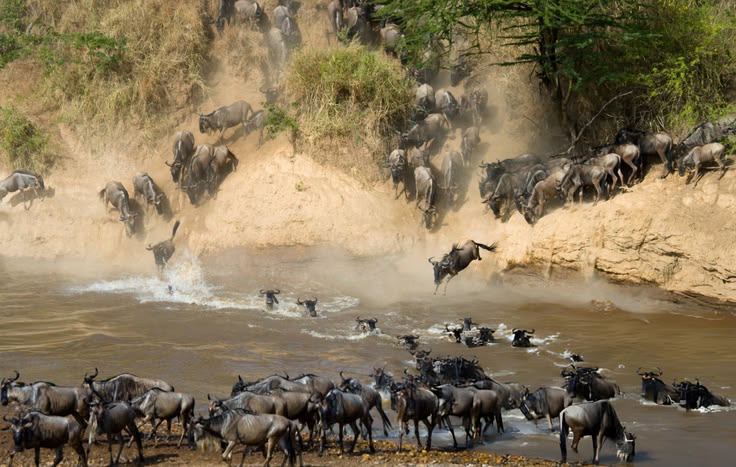
The Great Migration is the headline act for most Masai Mara safaris. The wildebeest and zebra arrive in the Mara from the Serengeti typically between July and October, though the timing varies with rainfall patterns. The key event is the river crossing, where the herds plunge across the Mara River, risking crocodiles, drowning, and the chaos of the stampede. These crossings are not daily events. They are unpredictable, lasting minutes or hours, occurring every few days or sometimes every few weeks. A common mistake is assuming that visiting the Mara in August guarantees a crossing. It does not.
What guarantees a crossing is time and positioning. This Masai Mara safari guide recommends a minimum of five nights in the Mara during peak season, staying in a mobile camp or a lodge near the river. Your guide will monitor the guide network in real time, repositioning you when a crossing appears imminent. Even without a crossing, the sight of 1.5 million wildebeest spread across the plains is unforgettable. The best crossings are in the Mara Triangle, which has lower vehicle density. The private conservancies also offer excellent access to the crossings while providing exclusivity for the rest of your game drives.
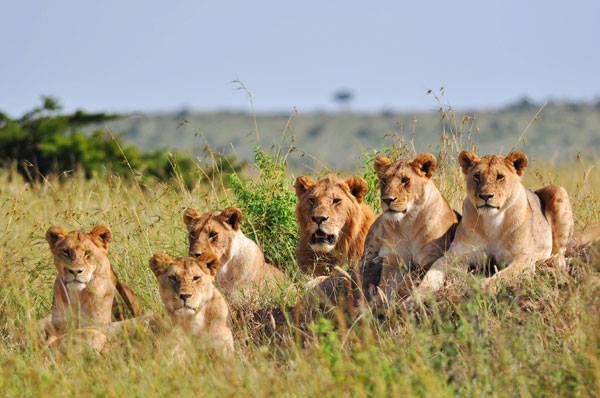
The Masai Mara reliably delivers four of the Big Five, with the rhino being the exception. Black rhino are present in the Mara but are rarely seen due to their low numbers and the dense vegetation they prefer. For travellers who want to complete the Big Five, this Masai Mara safari guide recommends adding a day trip to Lake Nakuru National Park or Ol Pejeta Conservancy. The other four are abundant. Lion sightings are almost guaranteed, with large prides controlling territories across the reserve. The famous Marsh Pride, documented by the BBC series Big Cat Diary, still hunts in the Musiara Marsh area.
Leopards are present along the Mara and Talek Rivers, and a skilled guide will find them by following alarm calls from baboons and impalas. Elephants are widespread, though the great tuskers are rarer than in Amboseli. Buffalo are ubiquitous, often found in large herds near water sources. Cheetah are common on the open plains, and you may witness a hunt. Spotted hyenas are abundant and often seen at dawn and dusk. The birding is exceptional, with the lilac breasted roller, secretary bird, and African fish eagle among the highlights. This Masai Mara safari guide advises travellers to look beyond the Big Five and appreciate the full diversity of the Mara.
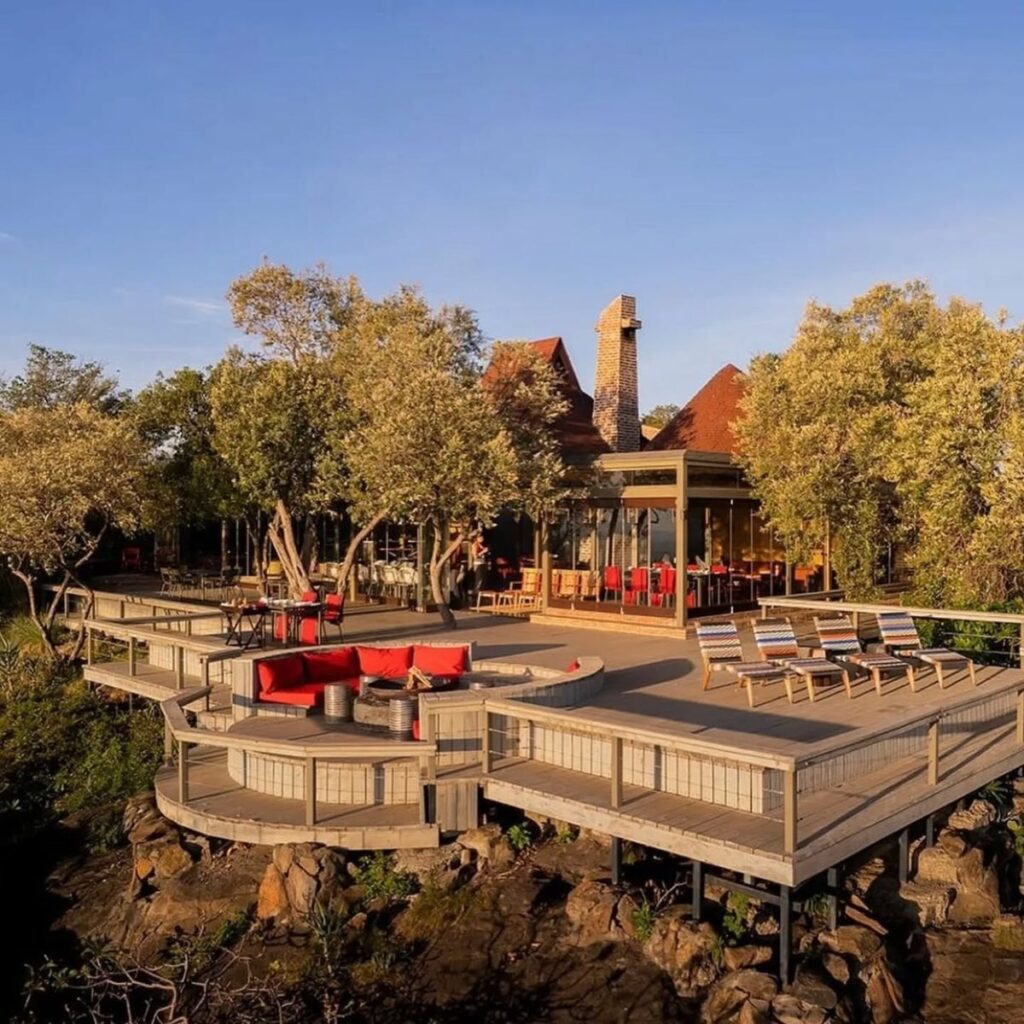
The Masai Mara has an extraordinary range of accommodation, from ultra luxury lodges to budget campsites. Angama Mara is the most famous luxury property, perched on the Oloololo Escarpment with breathtaking views. The lodge has tented suites, open sided vehicles, and exceptional service. Mahali Mzuri, Sir Richard Branson’s camp in the Olare Motorogi Conservancy, offers twelve tented suites and a swimming pool. Sanctuary Olonana is a luxury tented camp on the banks of the Mara River, with a swimming pool and a spa. For travellers seeking the best of the best, these are the top choices in this Masai Mara safari guide.
For mid range travellers, Kicheche Mara Camp in the Mara North Conservancy offers comfortable tents and excellent guiding at more accessible prices. Rekero Camp on the Talek River is known for its exceptional leopard sightings. Eagle View Camp in the Naboisho Conservancy offers walking safaris and a swimming pool. For budget travellers, Mara Leisure Camp offers comfortable tents with a swimming pool near the Talek Gate. Enchoro Wildlife Camp and Miti Mingi Eco Camp offer simple accommodation at lower prices. This Masai Mara safari guide recommends booking well in advance, especially for camps in the private conservancies.
One of the most important decisions in this Masai Mara safari guide is choosing between the national reserve and the private conservancies. The private conservancies bordering the reserve, including Mara North, Olare Motorogi, and Naboisho, offer three critical advantages. First, vehicle density is strictly limited, often to one vehicle per sighting, meaning you will never queue for a lion. Second, off road driving is permitted, allowing your guide to position your vehicle for the perfect photograph rather than staying on designated tracks. Third, night game drives and walking safaris are allowed, activities prohibited in the national reserve.
The wildlife in the conservancies is identical to the reserve. The lions, leopards, elephants, and cheetah move freely across the unfenced borders. The difference is the experience. In the conservancies, you have the sighting to yourself. The national reserve has lower entry fees but higher vehicle density. For travellers who prioritise exclusivity and special activities, the conservancies are worth the premium. This Masai Mara safari guide recommends conservancy stays for repeat visitors and for travellers who want the best possible safari experience. For first time visitors on a budget, the national reserve still delivers excellent wildlife viewing.
Most visitors to the Masai Mara fly from Nairobi. Wilson Airport, the hub for domestic charter flights, offers multiple daily flights to the Mara’s airstrips. The flight takes approximately 45 minutes. Airstrips include Keekorok, Mara Serena, Kichwa Tembo, Musiara, and Ol Kiombo. Your lodge or camp will arrange transfers from the airstrip. Flying is the most convenient option, saving you a full day of driving. The cost is approximately USD 250 to USD 400 per person round trip.
You can also drive from Nairobi to the Masai Mara. The drive takes approximately five to six hours, with the road paved for most of the journey. The final section is a dirt road. A 4×4 vehicle is recommended. The drive is scenic, passing through the Great Rift Valley. The main gates are Sekenani, Talek, and Oloolaimutia. This Masai Mara safari guide recommends flying for travellers with limited time and driving for those on a tighter budget or who want to see more of the Kenyan countryside.
The best time to see the Great Migration river crossings in the Masai Mara is from July to October, with September and early October offering the best combination of crossing activity and manageable crowds. The crossings are unpredictable. A five night stay gives you a reasonable statistical probability. This Masai Mara safari guide recommends booking a mobile camp or a lodge near the river for the best access.
Yes, private conservancies are worth the extra cost for travellers who value exclusivity, off road driving, night drives, and walking safaris. The vehicle density is strictly limited, and you will rarely share a sighting with more than one other vehicle. The wildlife is identical to the national reserve. This Masai Mara safari guide recommends conservancies for repeat visitors and for travellers who want the best possible safari experience.
You will reliably see lion, leopard, elephant, buffalo, zebra, wildebeest, giraffe, hippo, crocodile, spotted hyena, and many antelope species. Rhino are rare in the Mara. Cheetah are common on the open plains. The birding is exceptional, with over 470 species recorded. The Great Migration herds of wildebeest and zebra are present from July to October. This Masai Mara safari guide advises travellers to look beyond the Big Five.
You need a minimum of three nights in the Masai Mara, but this Masai Mara safari guide recommends four to five nights. The Mara is large, and the wildlife is spread out. More time gives you a better chance of witnessing a river crossing and allows you to explore different sectors. A five night stay gives you four full days of game driving, significantly increasing your chances of exceptional sightings.
Yes, the Masai Mara is safe for tourists. The reserve is well managed by the Narok County Council and the Mara Conservancy. Armed rangers patrol the reserve. Crime against tourists is extremely rare. Follow your guide’s instructions, stay in your vehicle during game drives except at designated viewing points, and do not walk in the bush without a ranger. The greatest risks are driving accidents on rough roads.
The Masai Mara offers the quintessential African safari experience. The rolling grasslands, the acacia trees, the lions calling at dawn, the thunder of wildebeest hooves during the river crossings. At Nomara Safaris, we design Masai Mara safaris that match your priorities, whether you want luxury in a private conservancy or a classic camp in the national reserve. Contact Nomara Safaris to begin planning your Masai Mara safari. Tell us your preferred travel dates and group size. We will create a custom itinerary that showcases the best of this legendary reserve.