
Planning an African safari is one of the most exciting travel projects you will ever undertake, but it can also be overwhelming. With so many countries, parks, lodges, and activities to choose from, where do you even begin? This step by step guide on how to plan an African safari breaks down the process into manageable stages. You will learn how to choose your destination, set a budget, pick the right time to travel, select accommodation, arrange transport, pack appropriately, and book your safari. Whether you are dreaming of gorilla trekking in Uganda or Rwanda, witnessing the Great Migration in Tanzania or Kenya, or combining a safari with a beach holiday in Zanzibar, this guide on how to plan an African safari will help you make informed decisions. At Nomara Safaris, we have been designing custom safaris for over a decade. We know the questions travellers ask and the mistakes they make. This comprehensive guide on how to plan an African safari draws on that experience to help you plan the adventure of a lifetime.
The first step in how to plan an African safari is choosing where to go. East Africa offers four primary safari destinations: Tanzania, Kenya, Uganda, and Rwanda. Each has its own strengths. Tanzania is best for the Great Migration, the Serengeti, and the Ngorongoro Crater. The country offers classic savannah safaris with high wildlife density. Kenya is best for the Masai Mara, private conservancies, and easy logistics. The Mara River crossings are the most dramatic. Uganda is best for gorilla trekking combined with savannah wildlife. You can see gorillas, chimpanzees, and the Big Four in one trip. Rwanda is best for premium gorilla trekking with easier logistics and luxury lodges. The country is efficient and polished.
If you have limited time, focus on one country. A seven day safari works well in Kenya or Tanzania. If you have ten to fourteen days, you can combine multiple destinations. Popular combinations include Tanzania and Zanzibar, Kenya and Tanzania, or Uganda and Rwanda. If you want to see the Great Migration, choose Tanzania or Kenya. If you want to see gorillas, choose Uganda or Rwanda. If you want both, consider a longer itinerary that combines Tanzania with Rwanda or Kenya with Uganda. This guide on how to plan an African safari recommends starting with your dream wildlife experience and building from there.
Your budget is the most important practical factor in how to plan an African safari. Safaris range from budget camping at USD 150 per day to ultra luxury at USD 2,500 per day. The main cost drivers are accommodation, transport, park fees, and permits. Gorilla permits in Uganda cost USD 800. In Rwanda, they cost USD 1,500. Park fees in Tanzania and Kenya range from USD 50 to USD 100 per day. Accommodation ranges from USD 50 for budget camping to USD 1,500 for ultra luxury lodges. A private vehicle and guide cost approximately USD 300 to USD 500 per day.
For a mid range safari, budget approximately USD 400 to USD 600 per person per day. For a luxury safari, budget USD 800 to USD 1,500 per person per day. For a budget safari, budget USD 150 to USD 300 per person per day. These estimates exclude international flights, which cost USD 800 to USD 1,500 round trip from Europe or USD 1,200 to USD 2,000 from North America. This guide on how to plan an African safari advises being realistic about your budget. A safari is an investment, and the difference between a budget safari and a mid range safari can be significant in terms of comfort, guiding quality, and wildlife viewing.
Timing is critical in how to plan an African safari. The dry season from June to October is the best time for wildlife viewing in Tanzania and Kenya. The vegetation is thinner, animals congregate around water sources, and the Great Migration river crossings occur. This is also peak season, with higher prices and more crowds. The green season from November to May offers lower prices, fewer crowds, and lush landscapes. The birding is exceptional. The wildebeest calving in the southern Serengeti occurs in February, offering excellent predator action.
For gorilla trekking in Uganda and Rwanda, the dry seasons from June to September and December to February offer easier trekking conditions. The wet seasons from March to May and October to November are muddier but have lower prices and fewer visitors. This guide on how to plan an African safari recommends the dry season for first time visitors who want the easiest conditions. For budget travellers and repeat visitors, the green season offers excellent value. If you want to witness the Mara River crossings, you must travel between July and October.
Booking your international flights is a major step in how to plan an African safari. The main international gateways are Kilimanjaro International Airport (Tanzania), Jomo Kenyatta International Airport in Nairobi (Kenya), Entebbe International Airport (Uganda), and Kigali International Airport (Rwanda). Nairobi receives the most direct flights, making it a good entry point for Kenya and a convenient connection to Tanzania and Uganda. Kigali is the most efficient gateway for gorilla trekking, with a short drive to Volcanoes National Park.
Book your international flights as early as possible, especially for peak season travel. Flights from North America and Europe can sell out months in advance. Consider flying into one country and out of another. For example, fly into Nairobi for a Kenya safari and out of Kilimanjaro after a Tanzania safari. This open jaw ticket saves you time and backtracking. This guide on how to plan an African safari recommends booking your international flights after you have confirmed your safari dates but before you book your internal flights and accommodation.
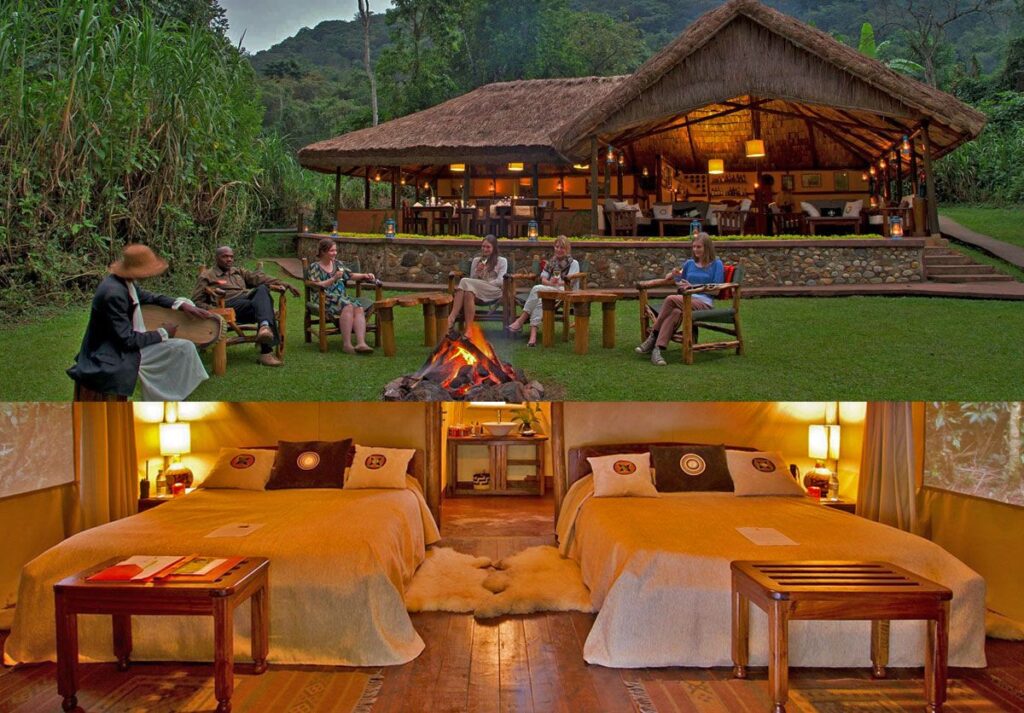
Choosing where to stay is one of the most enjoyable parts of how to plan an African safari. East Africa offers an extraordinary range of accommodation, from luxury lodges to budget campsites. In the Masai Mara, consider private conservancy camps like Mahali Mzuri or Kicheche Mara for exclusivity and off road driving. In the Serengeti, consider mobile camps that follow the Migration or permanent lodges like Four Seasons. In Ngorongoro, staying on the crater rim gives you priority access for the morning descent. In Bwindi, Sanctuary Gorilla Forest Camp and Clouds Mountain Gorilla Lodge are the top luxury choices.
When choosing accommodation, consider location, season, and your budget. A lodge inside the park costs more but saves driving time. A lodge in a private conservancy offers off road driving and night drives. A mobile camp puts you closest to the Migration. This guide on how to plan an African safari advises booking your accommodation as early as possible. The best properties fill up six to twelve months in advance for peak season. Nomara Safaris handles all accommodation bookings as part of your safari package.
Transport is a critical component in how to plan an African safari. Most safaris use a private 4×4 Landcruiser Safari Vehicle with a professional driver guide. The vehicle allows you to traverse rough roads and gives you a good vantage point for wildlife viewing. A private vehicle gives you flexibility. You decide when to leave, when to stay, and when to return for lunch. Shared vehicles are cheaper but require compromise. For the best experience, this guide on how to plan an African safari recommends a private vehicle.
Internal flights are available for longer distances. In Tanzania, fly from Arusha to the Serengeti to avoid a long drive. In Kenya, fly from Nairobi to the Masai Mara. In Uganda, fly from Entebbe to Bwindi to save time. Your driver guide is your most important asset. A great guide can find wildlife that others miss and interpret behaviour you would otherwise overlook. Choose a tour operator with experienced, certified guides. Nomara Safaris employs senior guides with decades of experience.
Visas and travel insurance are essential logistics in how to plan an African safari. Most nationalities require a visa for Tanzania, Kenya, Uganda, and Rwanda. Visas can be obtained online before travel or on arrival at the airport. The East African Tourist Visa covers Kenya, Uganda, and Rwanda for a single fee of approximately USD 100. Tanzania requires a separate visa. Check the requirements for your nationality well in advance. Ensure your passport has at least six months of validity.
Travel insurance is mandatory. A safari involves significant financial commitments, including non refundable gorilla permits and internal flights. Your insurance should cover trip cancellation, medical evacuation, and baggage loss. Read the fine print to ensure it covers gorilla permits. Some policies have exclusions. This guide on how to plan an African safari strongly advises purchasing travel insurance as soon as you book your safari.
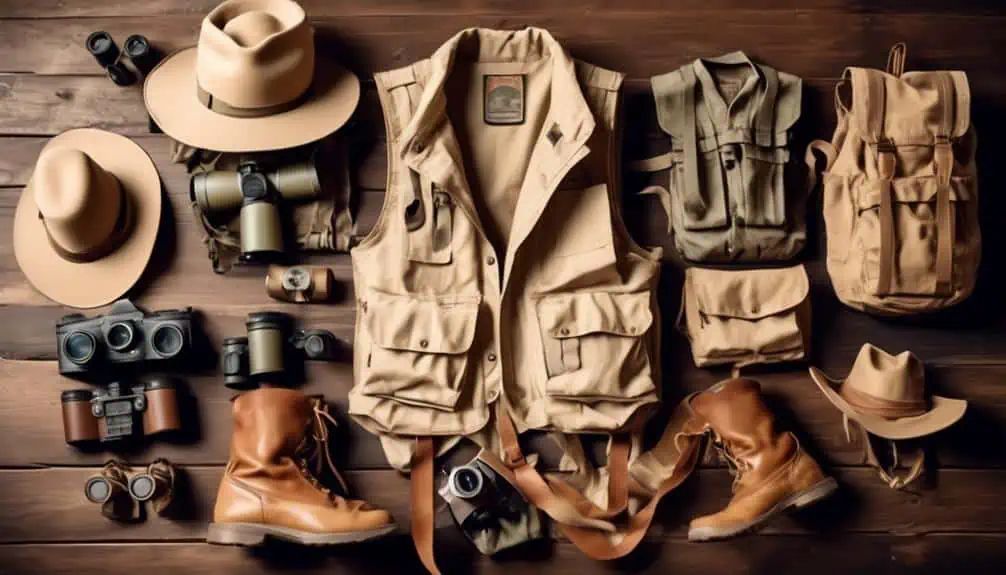
Packing correctly is often overlooked in how to plan an African safari but makes a huge difference to your comfort. For game drives, pack neutral coloured clothing in khaki, olive, or beige. Avoid white, bright colours, and camouflage. Mornings on the savannah can be cold, especially from June to August, so pack a fleece jacket and a windproof layer. Afternoons are warm, so bring shorts and t shirts. Closed toe shoes are essential for walking safaris and lodge pathways. A wide brimmed hat, sunglasses, and high SPF sunscreen are critical.
For gorilla trekking, pack waterproof hiking boots with ankle support, long trousers and long sleeves, gardening gloves, and a waterproof jacket. Bring a daypack with water, snacks, and a dry bag for your camera. For photography, bring a camera with a zoom lens of at least 300mm, extra batteries, and plenty of memory cards. Binoculars are essential. This guide on how to plan an African safari provides a detailed packing list. Nomara Safaris also provides a packing checklist when you book.
Booking your safari is the culmination of how to plan an African safari. You can book directly with lodges, but a tour operator simplifies the process. A good tour operator handles permits, accommodation, transport, guides, and logistics. They also provide expert advice and handle problems if they arise. When choosing a tour operator, look for experience, transparency, and positive reviews. Ask for an itemised quotation showing all costs. Avoid operators who hide fees or quote suspiciously low prices.
Nomara Safaris is a trusted operator specialising in custom private safaris in Uganda, Rwanda, Kenya, Tanzania, and Zanzibar. We handle every detail of your safari, from permits to packing lists. Contact us with your preferred travel dates, group size, and interests. We will design a custom itinerary and provide a transparent quotation. Once you confirm, we book your permits, accommodation, and transport. We provide 24/7 support before and during your trip.
The final step in how to plan an African safari is preparing for your departure. Confirm your flights and accommodation. Check your visa and passport validity. Arrange any necessary vaccinations. The yellow fever vaccine is required for entry into many African countries. Malaria prophylaxis is recommended for most safari destinations. Consult a travel doctor six weeks before your departure. Pack your bags according to your packing list. Notify your bank of your travel dates to avoid card freezes. Download offline maps and entertainment for the flights.
Most importantly, prepare mentally. A safari is not a typical holiday. You will wake up early, spend long hours in a vehicle, and experience unpredictable weather and wildlife. Embrace the uncertainty. The best safari moments, the leopard that appears from nowhere, the river crossing that happens when you least expect it, are the ones you cannot plan. This guide on how to plan an African safari has given you the tools. Now it is time to take the leap.
The cost of an African safari varies widely. A budget camping safari costs USD 150 to USD 300 per day. A mid range lodge safari costs USD 350 to USD 600 per day. A luxury private safari costs USD 800 to USD 1,500 per day. A premium ultra luxury safari costs USD 1,500 to USD 2,500 per day. Gorilla permits add USD 800 (Uganda) or USD 1,500 (Rwanda). International flights cost USD 800 to USD 2,000. This guide on how to plan an African safari recommends budgeting based on your priorities.
For first time safari goers, Kenya or Tanzania are the best choices. Both offer classic savannah safaris with reliable wildlife viewing. Kenya has easier logistics, with shorter transfer times from Nairobi. Tanzania offers the Ngorongoro Crater and the full arc of the Great Migration. This guide on how to plan an African safari recommends Kenya for travellers with one week and Tanzania for travellers with ten days or more.
Yes, most nationalities require a visa for East African countries. The East African Tourist Visa covers Kenya, Uganda, and Rwanda for USD 100. Tanzania requires a separate visa. Visas can be obtained online or on arrival. Check the requirements for your nationality well in advance. Ensure your passport has at least six months of validity. This guide on how to plan an African safari includes visa logistics in the planning process.
For game drives, pack neutral coloured clothing (khaki, olive, beige), a fleece jacket for cold mornings, shorts and t shirts for warm afternoons, closed toe shoes, a wide brimmed hat, sunglasses, and sunscreen. For gorilla trekking, add waterproof hiking boots, long trousers and sleeves, gardening gloves, and a waterproof jacket. Bring a camera with a zoom lens of at least 300mm, extra batteries, and binoculars. This guide on how to plan an African safari provides a complete packing list.
Yes, an African safari is safe for tourists. National parks are well managed, with armed rangers and experienced guides. Crime against tourists is extremely rare. Follow your guide’s instructions, stay in your vehicle during game drives, and do not walk in the bush without a ranger. The greatest risks are minor illnesses (traveler’s diarrhoea) and vehicle accidents. Travel insurance and malaria prophylaxis are essential. This guide on how to plan an African safari covers health and safety in detail.
Planning an African safari is a journey in itself. This step by step guide on how to plan an African safari has given you the framework. Now it is time to put it into action. At Nomara Safaris, we design custom private safaris in Uganda, Rwanda, Kenya, Tanzania, and Zanzibar. We handle every detail, from permits to packing lists. Contact Nomara Safaris to begin planning your African safari. Tell us your dream, your budget, and your travel dates. We will respond with a proposed itinerary within 48 hours.