
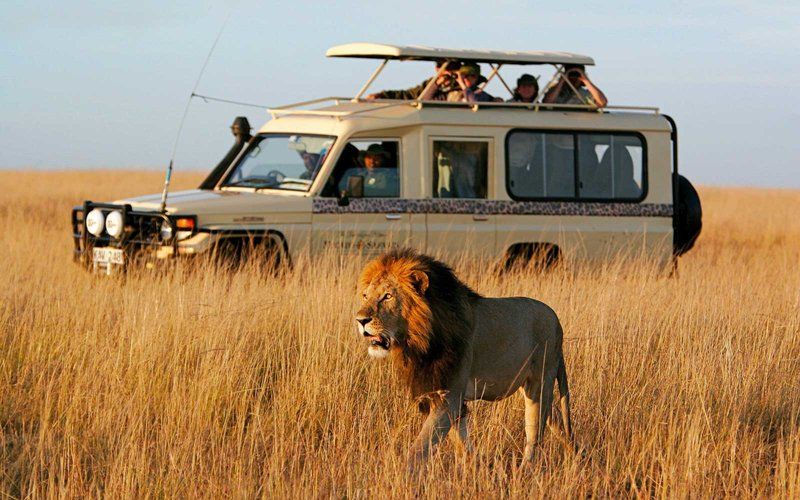
Timing your Uganda safari is one of the most important decisions you will make when planning your trip. Uganda’s equatorial location means it does not have the traditional four seasons, but rather two distinct dry seasons and two wet seasons. The best time to visit Uganda for a safari depends on what you want to see and experience. Whether you are dreaming of gorilla trekking in Bwindi, chimpanzee tracking in Kibale, or game drives in Queen Elizabeth National Park, understanding Uganda’s seasonal patterns will help you plan the perfect adventure.
Uganda enjoys a tropical climate with warm temperatures throughout the year, typically ranging from 24°C to 30°C. The two dry seasons are the most popular times for safaris. The long dry season runs from June to September and the short dry season runs from December to February. During these months, the weather is generally reliable, trails are firm, and wildlife is easier to spot.
The two wet seasons bring heavy downpours that can flood roads and turn forest trails into slippery mud. The long rains fall from March to May, while the short rains arrive from September to November. Despite the challenges, the wet seasons have their advantages: lush green landscapes, exceptional birding, lower prices, and fewer crowds.
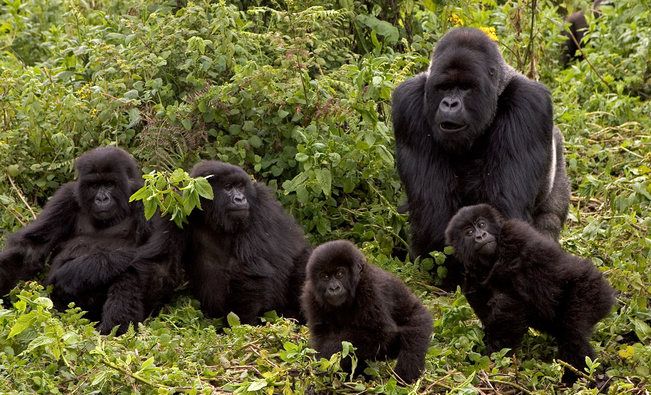
The best time for gorilla trekking in Bwindi Impenetrable Forest and Mgahinga Gorilla National Park is during the dry seasons. June to August and December to February offer the easiest trekking conditions, with firmer trails, better visibility, and less mud. The vegetation is thinner, making it easier for trackers to locate the gorillas and for you to photograph them.
During the wet seasons, from March to May and September to November, gorilla trekking is still possible, but the trails become slippery and muddy. The forest paths can be challenging, and roads may become impassable. However, some travellers prefer the wet season because gorillas tend to move down to lower elevations where food is abundant, potentially resulting in shorter treks. There are also fewer trekkers, so you may have a more intimate experience with the gorillas.
For savannah game viewing in parks like Queen Elizabeth, Murchison Falls, and Kidepo Valley, the dry seasons are also the best times to visit Uganda. From June to August and December to February, wildlife congregates around water sources, making them easier to spot. The vegetation is sparse, improving visibility for spotting lions, elephants, buffalo, and giraffes.
The wet seasons bring lush, green landscapes that are beautiful for photography. However, spotting animals becomes more challenging as the vegetation thickens and animals disperse. Some roads in remote parks can become impassable, limiting access to certain areas. The shoulder months of late May and early October offer a balance of decent weather and lower prices.
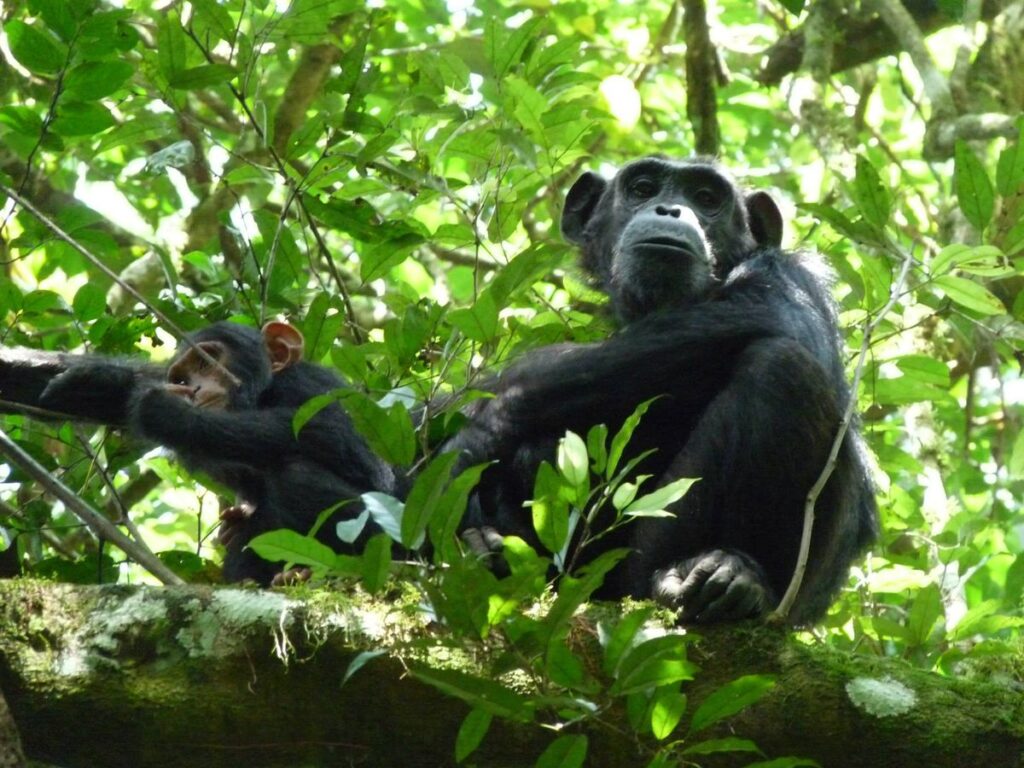
Kibale Forest National Park is the best place in East Africa for chimpanzee tracking. The best months for chimpanzee tracking align with the dry seasons: June to August and December to February. During these months, the forest floor is drier, making tracking easier and sightings more likely.
The wet season in Kibale is also rewarding for adventurous travellers. The forest is lush, and the chimpanzees are still present. However, the trails can be muddy, and the dense vegetation can make sightings more challenging. The chimpanzee habituation experience, where you can spend a full day with a community being habituated, is available year round but is best during the dry season.
January is hot, dry, and ideal for gorilla and chimpanzee trekking. The dry ground makes trekking manageable, and wildlife is easy to spot as animals gather near water sources. It is a popular travel month, so lodge prices are high, and gorilla permits must be booked early.
February is historically Uganda’s driest month and one of the best times for gorilla trekking. It is also a fantastic month for photography, with clear skies and excellent light for capturing wildlife scenes. Book your permits and accommodation well in advance.
March marks the beginning of the long rainy season, with heavy but often brief downpours. It is the start of the low season, so lodge availability is higher and rates are lower. This is an excellent time for birdwatching, as migratory species begin to arrive.
April is Uganda’s wettest month, bringing lush green landscapes but slippery forest trails. Wildlife spotting can be tricky, and some lodges close for refurbishment. However, availability is high and rates are very low. Gorilla treks may be shorter as gorillas stay on lower, warmer slopes.
May is still one of Uganda’s rainiest months, with muddy trails making gorilla trekking challenging. However, the landscapes are lush, newborn animals can be spotted, and migratory birds are abundant. Properties open during this time have good availability and lower prices.
June marks the start of the long dry season, with clear skies and firm trails. It is one of the best months for gorilla and chimpanzee trekking. Wildlife gathers around waterholes, making game viewing excellent. Book early, as gorilla permits and accommodation fill up quickly.
July is peak season for Uganda safaris, with the driest weather of the year. Gorilla trekking conditions are ideal. This is also a great time for birdwatching and savannah wildlife viewing. Expect higher prices and more crowds.
August continues the dry season, offering excellent conditions for all safari activities. The weather is warm and sunny, and wildlife viewing is at its best. Booking gorilla permits at least three to six months in advance is essential.
September remains dry and is an excellent month for both gorilla trekking and wildlife viewing. It is less crowded than July and August, offering a good balance between weather and fewer tourists. The birdlife is still abundant as migratory species begin to arrive.
October is a transitional month, as the short rainy season begins. Early October is still dry, while late October sees the return of afternoon showers. This is an excellent month for birdwatching and offers lower rates than peak season.
November is the heart of the short rainy season, bringing afternoon downpours but also lower prices. Trails become muddy, but gorilla trekking is still possible. This is a quieter time to visit Uganda for travellers on a budget.
December marks the start of the short dry season and the festive travel period. The weather is sunny and pleasant, and wildlife viewing is excellent. Expect higher prices and book at least two to three months ahead.
The best months for gorilla trekking in Uganda are January, February, June, July, August, September, and December. These months fall within the dry seasons, offering firm trails, better visibility, and easier trekking conditions. February is often considered the best month overall, as it is typically the driest.
Yes, visiting Uganda during the rainy season can be rewarding for travellers who prioritize lower prices and fewer crowds. The landscapes are lush and green, birdwatching is exceptional, and gorilla trekking is still possible, though trails may be muddy. The rains usually fall in the afternoon, leaving mornings clear for activities.
The best time for birdwatching in Uganda is during the wet seasons, particularly from March to May and October to November. These months coincide with the arrival of migratory bird species from Europe and North Africa, adding to Uganda’s already impressive list of over 1,000 bird species.
Yes, Uganda is a year-round safari destination. Gorilla trekking, chimpanzee tracking, and game viewing are possible in all seasons. However, the dry seasons from June to September and December to February offer the best conditions. The wet seasons offer lower prices, fewer crowds, and stunning green landscapes.
You should book your gorilla permits as early as possible, especially for travel during the dry seasons. For peak months like June to August and December to February, book at least three to six months in advance. For the wet seasons, one to three months is usually sufficient.
Choosing the best time to visit Uganda for your safari is essential for a successful trip. At Nomara Safaris, we help you plan your safari around the seasons that match your priorities. Contact Nomara Safaris to begin planning your Uganda safari. Tell us your preferred travel dates and what you want to see. We will recommend the best time to visit Uganda for your dream adventure.