
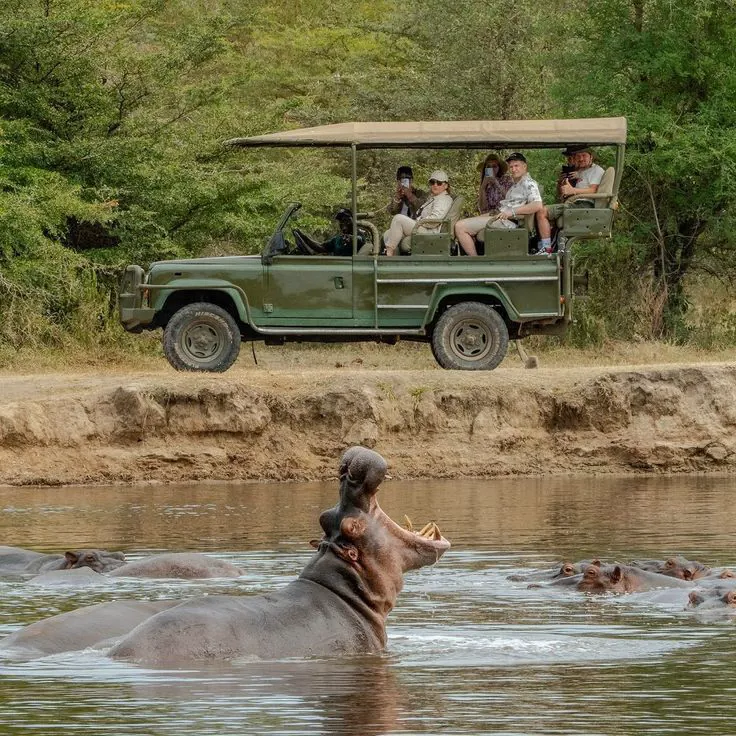
What is a “Slow Safari”? A New 2026 Trend in East Africa
Moving beyond the game drive for a more meaningful connection to the wild
The traditional African safari has long been defined by a predictable rhythm: early morning wake-ups, packed game drives, rapid movement between camps, and the relentless pursuit of the Big Five checklist. But a significant shift is underway. A new trend known as the slow safari trend is gaining momentum across East Africa, fundamentally changing how travelers engage with the wilderness. This approach, driven by a desire for deeper, more meaningful experiences, prioritizes presence over pace. New itineraries for the 2026 season, such as the Ndovu Safari, are being designed around slow-travel principles, emphasizing longer stays per location, reduced transit fatigue, and a stronger focus on ecological continuity.
The slow safari is a response to a broader change in traveler expectations. A recent report indicates that safari bookings through U.S. luxury travel advisors have surged by 22%, with a clear preference for slower, more purposeful journeys. This new wave of travelers is not seeking to recreate their parents’ safari. They are moving away from ticking boxes and toward more embedded experiences, driven by a desire to connect with conservation, culture, and the land itself. As the African Travel and Tourism Association notes, demand is shifting toward private conservancies, operators with genuine conservation credentials, and longer stays in fewer locations.
Table of Contents
- What is a Slow Safari?
- Why the Slow Safari is Gaining Momentum
- The Benefits of Going Slow
- Best Destinations for a Slow Safari in East Africa
- The Rise of Walking-Only Experiences
- How to Plan Your Slow Safari
- Frequently Asked Questions
What is a Slow Safari?
At its core, a slow safari is the antithesis of the traditional “checklist” safari. Instead of rushing between photo spots and wildlife sightings in a tightly scheduled itinerary, the slow safari encourages a gentler, more intentional way of experiencing nature. It is about aligning your journey with the rhythms of the environment rather than a rigid schedule.
This new trend in East Africa is defined by a few key principles:
- Longer Stays: Travelers spend more time in a single camp or location, allowing them to unpack both physically and emotionally. Instead of moving every two nights, a slow safari often involves four to seven nights in one area.
- Deeper Connections: With more time in one place, you begin to recognize individual animals and understand the dynamics of a pride or a cheetah family. Your guide gets to know your interests, leading to more personalized and rewarding experiences.
- Varied Experiences: While game drives remain a part of the journey, they are complemented by walking safaris, guided bush walks, community visits, cultural exchanges, and moments of simple reflection.
- Mindset of Presence: A slow safari is as much a state of mind as a travel style. It’s about losing the checklist, forgetting what day of the week it is, and choosing to be present in the moment.
Why the Slow Safari is Gaining Momentum
Several factors are driving the rise of the slow safari. The fast-paced nature of modern life has created a strong desire for a travel experience that feels restorative rather than exhausting. Travelers are seeking to reconnect with nature at a fundamental level, creating a shift from activity-led itineraries to nature-led journeys.
A growing awareness of conservation and community impacts is also reshaping traveler priorities. Instead of asking which national parks to include, travelers are asking which conservancies have genuine conservation credentials, which operators fund anti-poaching units, and whether their visit leaves the land in better condition than before they arrived. The slow safari model facilitates a deeper understanding of these complex conservation and community issues.
The investment in new luxury safari properties reflects this shift. Developments across Africa, including in Tanzania and Kenya, are integrating wellness, slow travel, and sustainability into every aspect of the guest journey. These properties encourage guests to spend more time engaging with the landscape and personal wellbeing.
The Benefits of Going Slow
A slow safari offers a profoundly different experience compared to a traditional, fast-paced safari.
Deeper Wildlife Encounters: On a slow safari, game drives stop being about ticking species off a list and start being about understanding behavior. By spending consecutive days in the same territory, your guide builds a mental map of where specific prides rest at midday, where a leopard has stashed its kill, and where elephants water at dusk. This patience is rewarded with observations of rare behavior, predator hunts, and newborn calves that travelers on rushed itineraries rarely see.
Personalized Guiding: Staying longer means your guide stops being a stranger. By day two, they know whether you are a birder or a big-cat enthusiast. By day three, they’re waking you early because they spotted hyena cubs near a den, crafting a unique and personal adventure.
Genuine Rest and Rhythm: A slow safari is restorative by design. You wake with the sunrise not because you are rushing to another camp, but because you want to. Afternoons can be spent resting by a pool, enjoying a sundowner on a rocky outcrop, or on a guided bush walk that nobody is rushing through.
Authentic Connection to Place: Extended stays allow you to go beyond the vehicle. You learn the names of the people working at the camp. You sit with a Maasai elder and gain a glimpse into a complex web of conservation and community that cannot be compressed into 48 hours. Destinations like Uganda’s Lake Bunyonyi are gaining popularity for this exact reason, offering a peaceful retreat where slow paddling and silent hiking replace traditional game drives.
Best Destinations for a Slow Safari in East Africa
A slow safari can be enjoyed across East Africa, but some destinations are particularly well-suited to longer stays.
Masai Mara, Kenya
The Mara’s dense predator population and year-round resident wildlife make it an ideal location for a longer stay. Spending four to six nights in a single conservancy allows you to follow specific prides or cheetah families across multiple sightings. The Great Migration from July to October brings extraordinary river crossings, but these prime dates book 12 to 18 months in advance. A longer stay is crucial during this period to allow for the unpredictable nature of the crossings.
Serengeti, Tanzania
The Serengeti’s vast scale, nearly 15,000 square kilometers, means no two mornings are the same. For slow travel, the northern Serengeti is ideal for migration drama, while the central plains offer exceptional year-round predator action. Honeymooners are increasingly drawn to this slow pace, preferring longer stays in a single area rather than moving every few nights.
Laikipia Plateau, Kenya
Kenya’s Laikipia Plateau is a more off-circuit destination that epitomizes the slow safari philosophy. It offers a diverse range of immersive activities that simply aren’t possible in national parks, including walking safaris, night game drives, horseback safaris, and community visits. Staying four to five nights here allows travelers to fully engage with these experiences.
Ngorongoro Highlands, Tanzania
The Ngorongoro Crater is a self-contained ecosystem that holds the Big Five in a single day’s drive. Paired with the adjacent highlands for cultural immersion, this region offers one of the most layered slow safari experiences in East Africa.
The Rise of Walking-Only Experiences
A key element of the new slow safari trend is the growing popularity of walking-only wildlife experiences. On a walking safari, you are not an observer on wheels but a participant in the landscape. Every sound, scent, and shift in the air tells a story, offering a multi-sensory connection to the wild.
Unlike the vehicle chase, there is no rush to find animals. The journey itself becomes the experience. Guides read the bush like a book, turning tracks, plants, and landscapes into stories that deepen your understanding. There may be hours without seeing a large mammal, but you gain rich insights into the web of life that will enhance every future safari. Places like the Laikipia Plateau are leading this shift, offering walking safaris as a central part of the stay.
How to Plan Your Slow Safari
Planning a slow safari requires a different mindset compared to a traditional itinerary. Here are some practical steps to help you design your journey.
1. Define Your Priorities: Decide what you want most from your safari. Is it big cats, elephants, photography, or simply a restorative escape? Your answer will determine your destination and lodge choice.
2. Commit to Depth, Not Breadth: Resist the temptation to add just one more destination. Every additional transfer compresses your time at each location. For a meaningful slow safari, plan for a minimum of four nights in one place.
3. Choose Your Operator Wisely: Work with a specialist safari operator who focuses on East Africa. Ask specifically about the guiding team at each property; a great guide is the single most important element for a successful slow safari.
4. Consider the Season: The dry season from June to October offers the best weather and wildlife viewing, but it is also peak season. For flexibility and lower rates, consider the shoulder seasons. Early bookings are crucial, as the best lodges and private conservancies fill up 12 to 18 months in advance.
Frequently Asked Questions
What is the difference between a traditional and a slow safari?
A traditional safari is often characterized by rapid movement between multiple camps, packed game drive schedules, and a focus on checking off species. A slow safari prioritizes presence over pace by encouraging longer stays in fewer locations, complementing game drives with walking safaris, cultural exchanges, and restorative downtime.
Why is the slow safari trend growing?
The slow safari trend is driven by a desire for deeper, more meaningful travel experiences. Modern travelers are seeking respite from digital overload and frantic schedules, wanting to reconnect with nature and feel a sense of purpose. They are also more conscious of conservation and community impacts, wanting to travel more responsibly.
Is a slow safari more expensive than a traditional safari?
It can appear more expensive upfront because you are spending more nights at quality lodges. However, when you factor in the cost of domestic flights and transfers between multiple camps, the value equation shifts. Additionally, the depth of experience and the superior guiding you receive on a slow safari often provide better value for money.
How many days do I need for a slow safari?
A meaningful slow safari requires a minimum of 4 nights in one location. For a full East Africa safari experience combining destinations like Kenya and Tanzania, 10 to 14 days is ideal. Spending anything less than 3 nights per camp will feel hurried.
What kind of experiences can I expect on a slow safari?
In addition to game drives, a slow safari can include a variety of experiences such as guided walking safaris and bush walks, community visits and cultural exchanges, night drives, stargazing, and dedicated time for birdwatching, photography, or simply relaxing and enjoying the tranquility of the bush.
Book Your Slow Safari With Nomara Safaris
The slow safari trend is redefining travel in East Africa, offering a more profound and restorative connection with the wild. At Nomara Safaris, we specialize in designing custom journeys that prioritize quality over quantity. We can help you craft a slow safari itinerary that allows you to truly unpack and connect with the landscapes and communities of East Africa. Contact us to begin planning your journey.

Comments are closed