
The Ultimate East Africa Itinerary: Combining Tanzania & Uganda
Why the new “East African Passport” concept is making borderless travel easier.
For many travellers, the dream of an African safari involves a choice: the endless savannahs of Tanzania or the misty primate forests of Uganda. But why choose? Combining these two extraordinary countries into one seamless journey offers the ultimate East African experience, contrasting the iconic Great Migration with intimate gorilla encounters. This comprehensive guide will show you how to plan a Tanzania and Uganda safari that takes you from the Serengeti’s golden plains to Bwindi’s emerald jungles.
Table of Contents
- Why Combine Tanzania and Uganda?
- The Ultimate Wildlife Highlights
- Suggested Itinerary: 14 Days of Adventure
- Best Time to Visit
- Accommodation and Safari Styles
- Travel Logistics and Getting There
- Frequently Asked Questions
Why Combine Tanzania and Uganda?
Combining Tanzania and Uganda is like upgrading from a single course to a full feast. Tanzania offers the quintessential safari experience: vast savannahs teeming with the Big Five and the spectacle of the Great Migration. You spend your days in a 4×4 vehicle, scanning the horizon for lions, elephants, and cheetahs.
Uganda, by contrast, is a lush green world best explored on foot. It is the only place in the world where you can track endangered mountain gorillas in their natural habitat. You swap the safari vehicle for hiking boots as you trek through the misty jungles of Bwindi Impenetrable Forest or Kibale Forest National Park in search of gorillas and chimpanzees.
This mix of “wheels and heels” keeps your energy levels buzzing and your camera roll diverse. You get the sunny, endless horizons of Tanzania one day and the misty, cool rainforests of Uganda the next, making for a complete African story.
The Ultimate Wildlife Highlights
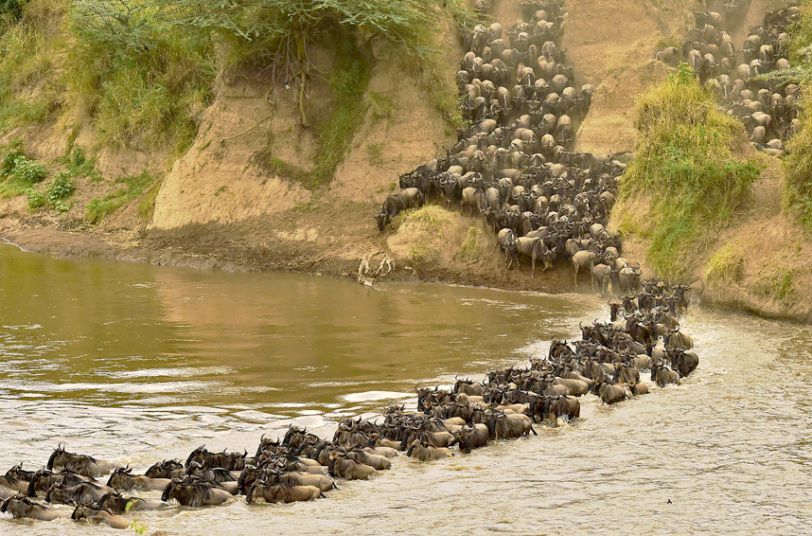
Tanzania offers exceptional wildlife viewing across its northern circuit. The Serengeti National Park is the stage for the Great Migration, where over 1.5 million wildebeest and 250,000 zebras move in a continuous annual loop, providing dramatic river crossings and predator action. The Ngorongoro Crater, a collapsed volcanic caldera, shelters one of the densest concentrations of wildlife in Africa, including the Big Five, making it one of the best places to spot the rare black rhino. Tarangire National Park is famous for its massive elephant herds and ancient baobab trees, offering a quieter, less crowded safari experience.
Uganda is the primate capital of Africa. More than half of the world’s remaining mountain gorillas live in Bwindi Impenetrable National Park and Mgahinga Gorilla National Park. A gorilla trekking permit gives you one unforgettable hour with a habituated gorilla family. Beyond gorillas, Kibale Forest National Park has the highest density of primates in Africa, with over 1,500 chimpanzees, making chimpanzee trekking a perfect complement to the gorilla experience. Queen Elizabeth National Park adds a different dimension with game drives and boat safaris on the Kazinga Channel, as well as the unique tree-climbing lions of the Ishasha sector.
Suggested Itinerary: 14 Days of Adventure
Here is a classic 14-day itinerary combining the best of Tanzania and Uganda.
Days 1-2: Arrival in Tanzania – Arusha
Your journey begins upon arrival at Kilimanjaro International Airport. You will be transferred to your hotel in Arusha, Tanzania’s safari hub at the foot of Mount Meru. This is your chance to rest after a long flight and prepare for the adventure ahead.
Day 3: Tarangire National Park – Elephant Kingdom
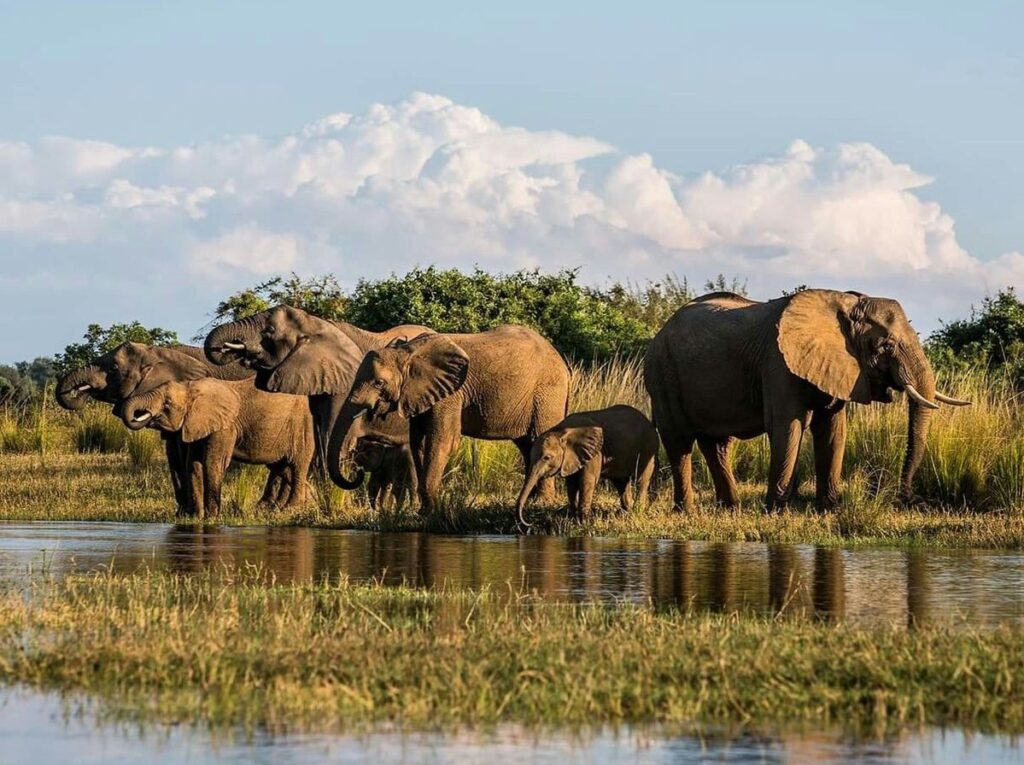
After breakfast, depart for Tarangire National Park, famous for its large elephant herds, ancient baobab trees, and rich birdlife. During the dry season, wildlife congregates along the Tarangire River, creating excellent game-viewing opportunities. Enjoy a full-day game drive with a picnic lunch before heading to your lodge.
Day 4: Ngorongoro Crater – Big Five Safari
Drive to the Ngorongoro Conservation Area. Descend 600 metres into the Ngorongoro Crater for a full-day game drive. With its dense wildlife population, you have an excellent chance of spotting the Big Five in a single day. After a picnic lunch on the crater floor, ascend and continue toward the Serengeti.
Days 5-7: Serengeti National Park – Great Migration
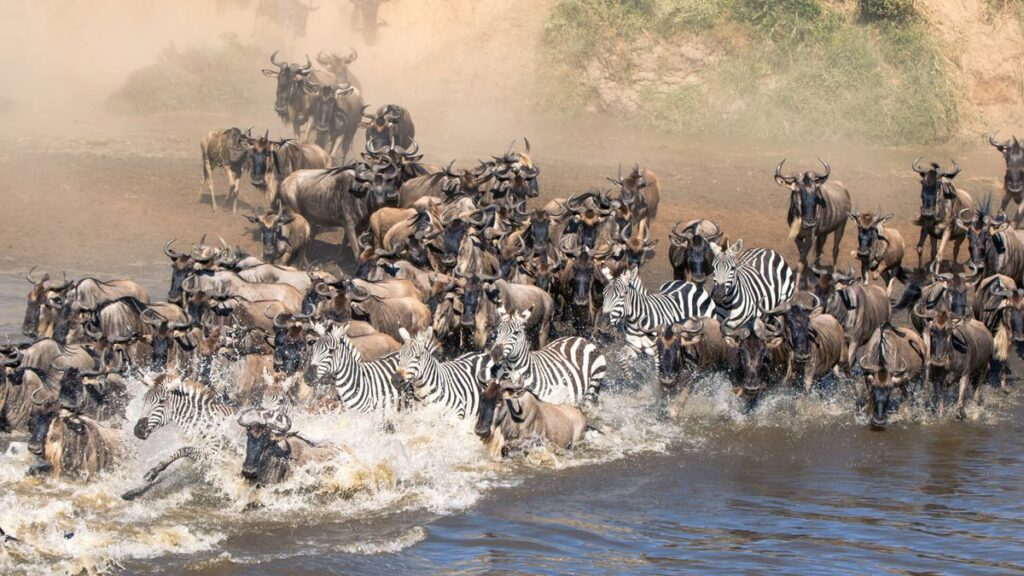
Spend three full days exploring the legendary Serengeti National Park. Depending on the season, you may witness the Great Migration with its dramatic river crossings. The park is also renowned for its incredible predator sightings, including lions, cheetahs, and leopards. Enjoy sunrise and sunset game drives, and consider an optional hot air balloon safari for a bird’s-eye view of the plains.
Day 8: Fly to Uganda
Take a scheduled flight from Kilimanjaro/Arusha to Entebbe International Airport in Uganda. Upon arrival, you will be met by your Ugandan safari guide and transferred to your hotel near Lake Victoria. The flight is the most efficient way to travel between the two countries, taking approximately two to four hours.
Day 9-10: Bwindi Impenetrable Forest – Gorilla Trekking
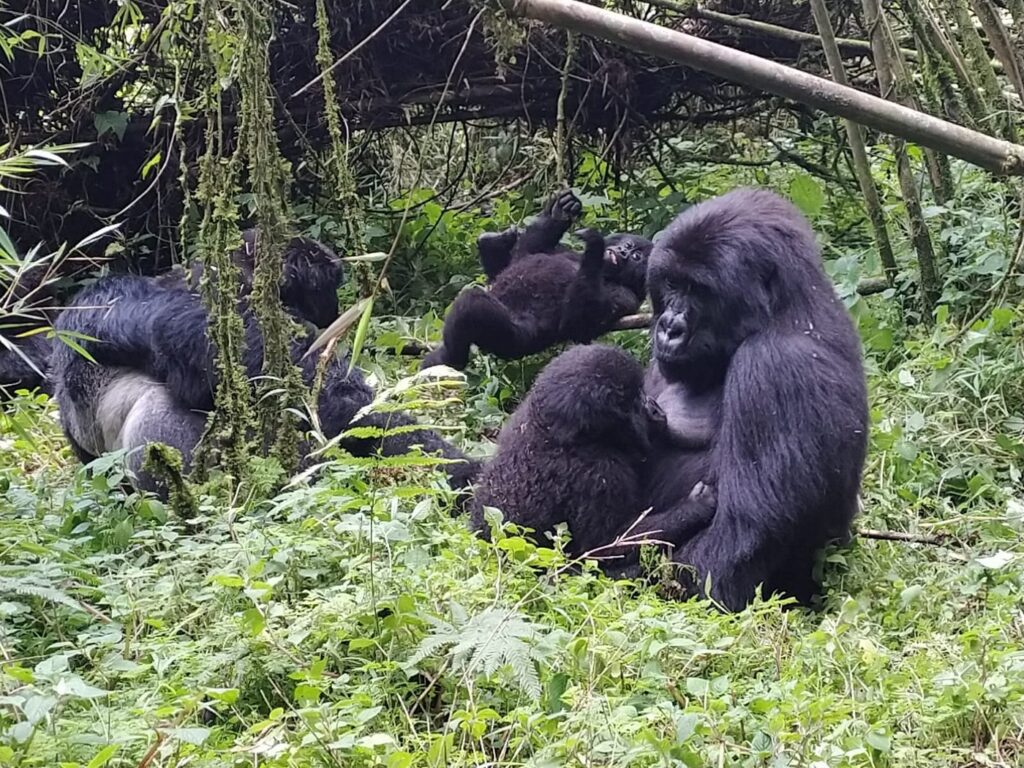
Fly from Entebbe to Kihihi or Kisoro, the gateway airstrips to Bwindi. A private 4×4 vehicle will transport you to your lodge nestled on the forest edge. The next morning, you will wake for the highlight of your safari: gorilla trekking in Bwindi Impenetrable Forest. After a briefing, you will trek through thick vegetation to find a gorilla family. You will then have one unforgettable hour observing these gentle giants in their natural habitat. In the afternoon, you can choose to visit the local Batwa community for a cultural experience.
Day 11-12: Queen Elizabeth National Park – Tree-Climbing Lions
Drive to Queen Elizabeth National Park. Enjoy a game drive in the Ishasha sector, famous for its tree-climbing lions. The next day, take a morning game drive on the Kasenyi Plains and an afternoon boat safari on the Kazinga Channel, where you will see hippos, crocodiles, and elephants.
Day 13-14: Return to Entebbe and Departure
Drive back to Entebbe International Airport for your departure flight, or extend your stay with a chimpanzee trek in Kibale Forest or a visit to Murchison Falls.
Best Time to Visit
The best time for a combined Tanzania-Uganda safari is during the long dry season from June to October. This period offers optimal wildlife viewing in Tanzania, as the Great Migration herds are in the northern Serengeti for dramatic river crossings. In Uganda, the dry conditions make gorilla trekking trails easier and safer to navigate.
The short dry season from December to February is another excellent window. Tanzania’s plains are lush and green after the short rains, and January/February mark the peak wildebeest calving season in the southern Serengeti. The wet seasons from March to May and October to November offer lower prices and fewer crowds, though trails can be muddy and some roads inaccessible.
Accommodation and Safari Styles
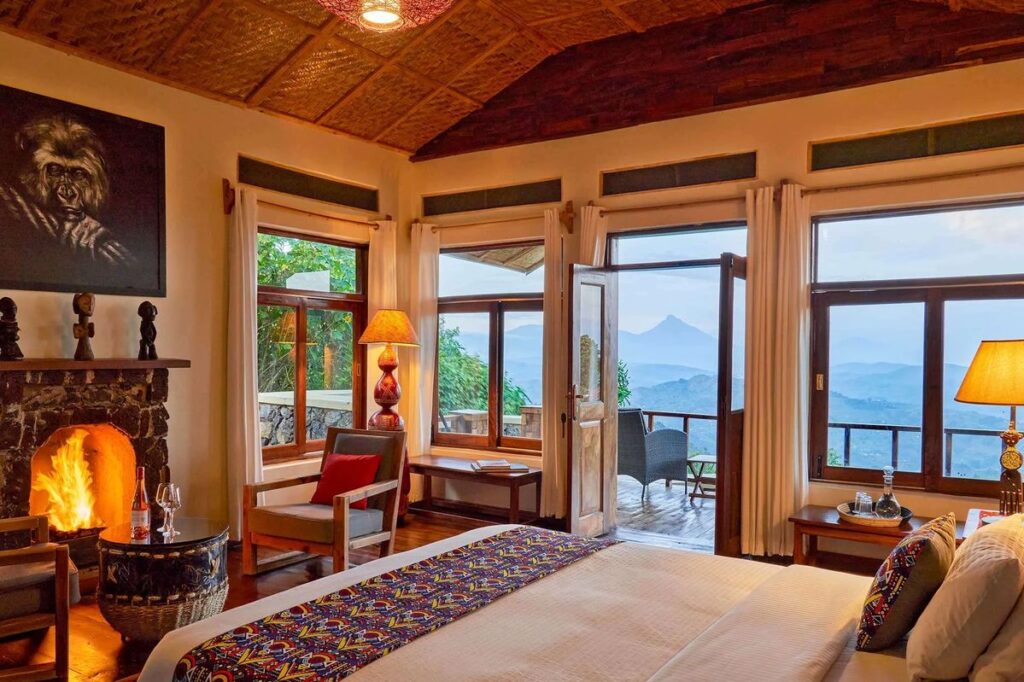
Combined safaris can be tailored to every budget. Budget safaris start from approximately USD 350 to USD 500 per person per day. Mid-range safaris typically run from USD 500 to USD 800 per person per day, while luxury safaris with exclusive camps start from USD 900 to USD 1,500 per person per day. These prices usually include accommodation, meals, park fees, game drives, and professional guiding. Gorilla permits (USD 800 in Uganda) and international flights are additional costs.
Travel Logistics and Getting There
Seamless travel between Tanzania and Uganda is facilitated by regional airlines like Kenya Airways, RwandAir, and Precision Air. Direct flights connect Kilimanjaro and Entebbe in about 1.5 to 2.5 hours. Overland border crossings are also possible but not recommended due to the distance and rough terrain.
You will need separate tourist visas for Tanzania and Uganda, though the East African Tourist Visa covers Uganda, Kenya, and Rwanda for USD 100. A Yellow Fever certificate is mandatory when crossing between these countries.
Frequently Asked Questions
How many days do I need for a Tanzania and Uganda safari?
For a combined Tanzania and Uganda safari, 12-14 days is recommended to avoid feeling rushed. This allows for a deep dive into the highlights of both countries, including gorilla trekking, the Great Migration, and a beach extension.
Can I combine Tanzania and Uganda in one trip?
Yes, combining Tanzania and Uganda in one trip is a popular and rewarding option. The seamless flight connections between the two countries make it logistically feasible.
How much does a combined Tanzania-Uganda safari cost?
A combined safari is a premium experience. A mid-range safari costs between USD 4,500 and USD 6,000 per person, while a luxury safari can range from USD 8,000 to USD 12,000 or more, depending on the length and level of luxury. These estimates exclude international flights.
What is the best time to see the Great Migration and gorillas?
The absolute best time is between June and October. This window aligns with the dramatic river crossings of the Great Migration and the dry season for gorilla trekking, offering the most favourable conditions across both countries.
Book Your Ultimate East Africa Safari With Nomara Safaris
This Tanzania and Uganda itinerary offers the complete East African experience, from the savannahs of the Serengeti to the misty forests of Bwindi. At Nomara Safaris, we specialise in designing seamless cross-border adventures that combine the best of both worlds. Contact us to begin planning your ultimate East Africa itinerary.


Comments are closed