
Best Time to Visit East Africa for Safari: Weather, Seasons & Wildlife
Choosing the best time to visit East Africa for a safari depends on what you want to see, how you prefer to travel, and which countries you plan to explore. East Africa is a year-round destination, but weather patterns, wildlife movements, and travel conditions change throughout the year in Uganda, Kenya, Tanzania, Rwanda, and Zanzibar.
Understanding these seasonal differences helps travelers plan a safari that matches their expectations — whether that’s witnessing the Great Wildebeest Migration, trekking gorillas in lush forests, or enjoying a safari combined with a beach holiday.
Dry Season (June to October): Peak Safari Experience
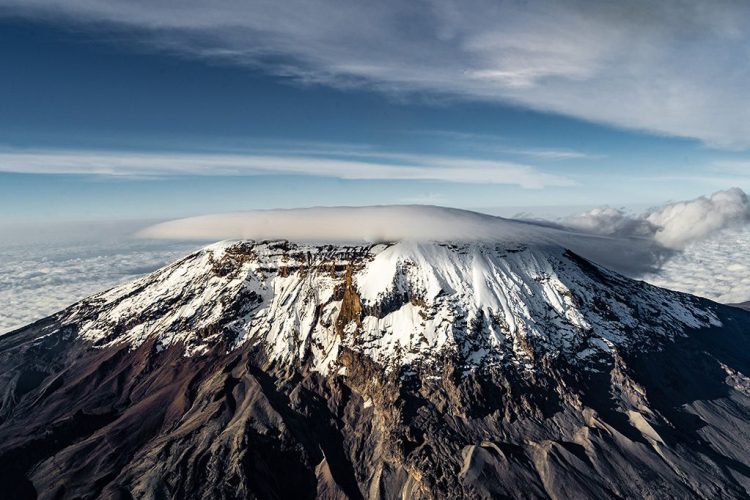
The long dry season from June to October is considered the best time for classic wildlife safaris in East Africa. During this period, vegetation is thinner and animals gather around rivers and water sources, making wildlife viewing easier.
In Kenya and Tanzania, this is the prime season for the Great Wildebeest Migration, with dramatic river crossings typically occurring between July and September. Uganda and Rwanda also experience excellent conditions for gorilla trekking, as forest trails are drier and easier to navigate.
Why travelers love this season:
-
- Excellent wildlife visibility
-
- Comfortable temperatures
-
- Ideal conditions for photography
Things to consider:
-
- Higher demand and prices
-
- Popular parks can be busier
Green Season (November to May): Fewer Crowds & Lush Landscapes
The green season, also known as the low or shoulder season, brings occasional rainfall and transforms East Africa into a lush, green landscape. Wildlife is still abundant, and birdlife is especially impressive during this time.
From January to March, Tanzania’s southern Serengeti hosts the calving season, when thousands of wildebeest give birth. This attracts predators and offers incredible photographic opportunities.
Gorilla trekking remains available year-round in Uganda and Rwanda, though treks can be slightly more challenging during wetter months.
Why consider the green season:
-
- Fewer tourists
-
- Lower safari costs
-
- Beautiful scenery and dramatic skies
Country-by-Country Seasonal Highlights
Uganda
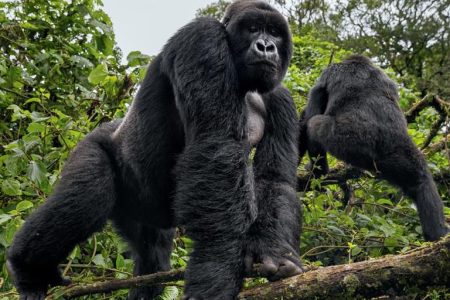
Uganda is excellent year-round, especially for primate trekking. The best months for gorilla and chimpanzee trekking are June–September and December–February. Wildlife safaris in Queen Elizabeth and Murchison Falls National Parks are also rewarding during drier months.
Kenya
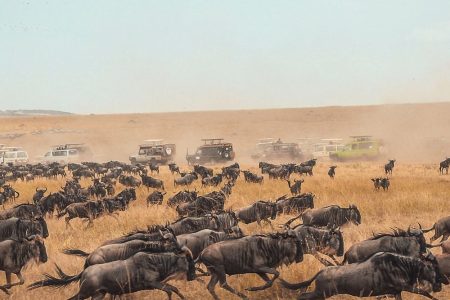
Kenya’s Masai Mara is at its best from July to October during the great migration. Outside of peak months, the park still offers outstanding big cat sightings with fewer crowds.
Tanzania
Tanzania offers year-round safari opportunities. The Serengeti hosts the migration throughout the year, while the Ngorongoro Crater provides reliable wildlife viewing regardless of season.
Rwanda
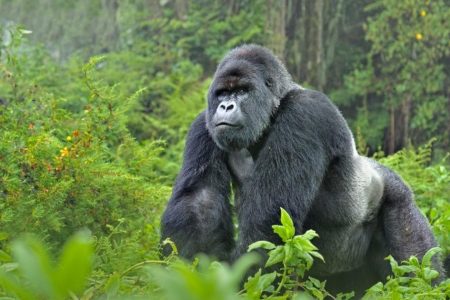
Rwanda’s Volcanoes National Park is accessible year-round, with dry months being ideal for gorilla trekking. Rwanda is often preferred by travelers seeking a shorter, more luxurious safari experience.
Zanzibar
Zanzibar is best visited during dry months from June to October and December to February. It pairs perfectly with a safari for a relaxing beach extension.

When Should You Travel?
There is no single “best” time — only the best time for you. Some travelers prioritize wildlife density, while others value privacy, budget, or scenery. At Nomara Safaris, we help travelers choose the ideal season based on their interests, travel style, and comfort level. Let us help you choose the perfect time for your safari.
Final Thoughts
East Africa offers unforgettable safari experiences throughout the year. Whether you’re tracking gorillas in misty forests, watching elephants roam open plains, or relaxing on Zanzibar’s beaches, timing your safari thoughtfully ensures a rewarding journey.
