
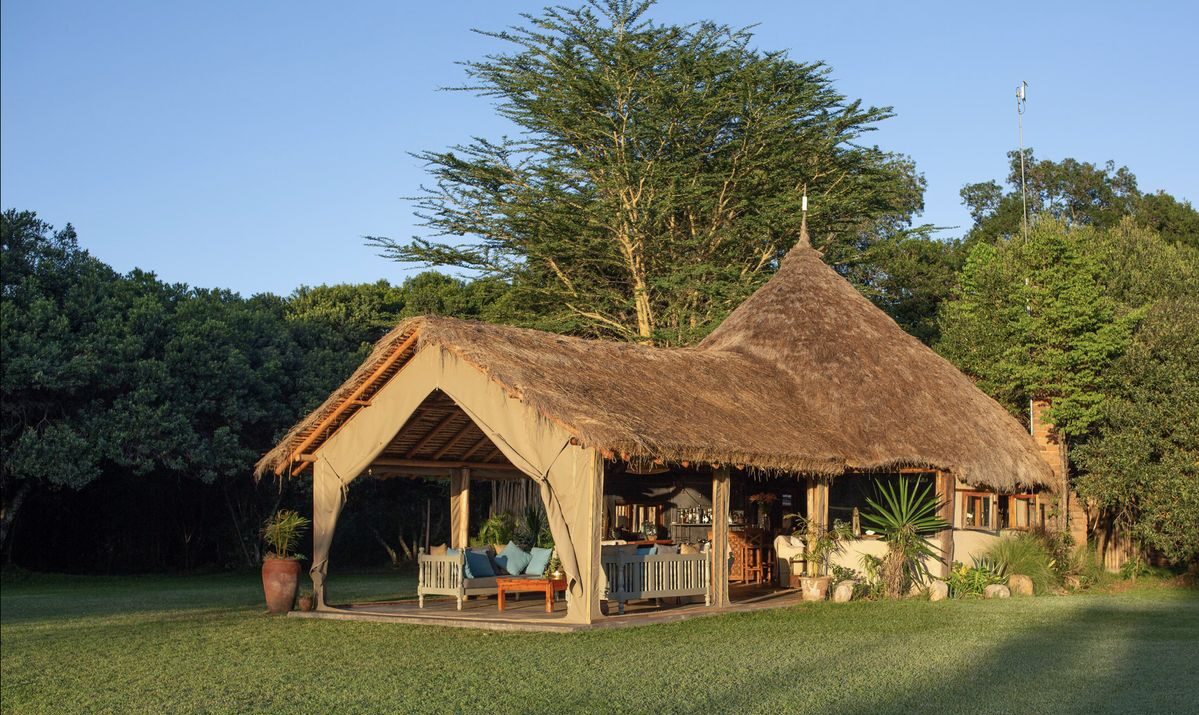
Best Masai Mara Safari Camps – National Reserve vs Private Conservancy Stays
Masai Mara Camps – Reserve vs Conservancy: The Decision That Defines Your Safari
Choosing the best Masai Mara safari camps begins with a decision that most travelers underestimate but which ultimately defines the entire character of their safari experience: whether to stay inside the National Reserve or within one of the surrounding private conservancies. These are not simply different locations on a map—they represent two fundamentally different safari environments, each with its own rules, pace, and level of exclusivity. The Reserve offers open access and classic game viewing, while conservancies operate under controlled conditions that prioritize privacy and immersive experiences.
At Nomara Safaris, selecting between these two options is never treated as a secondary decision. It is the foundation upon which the rest of the itinerary is built. The best Masai Mara safari camps are not universally “better” in one area or the other; rather, they are contextually better depending on what kind of safari you want. Understanding the trade-offs between accessibility and exclusivity, structure and flexibility, is essential before choosing a specific camp. This is where strategic planning transforms a standard safari into something far more intentional and rewarding.
National Reserve – Open Access, High Traffic
The Masai Mara National Reserve is the most iconic and widely recognized safari area in Kenya, forming the core of what many travelers imagine when they think of the Mara. Staying in the best Masai Mara safari camps within the Reserve places you directly inside this central ecosystem, where wildlife density is high and access to major migration routes is straightforward. The open-access model means that vehicles from multiple camps and lodges can move freely throughout the Reserve, creating a dynamic but sometimes crowded environment, particularly during peak migration months.
This structure allows for flexibility in game drives, as guides are not restricted by territorial boundaries. However, it also means that popular sightings, such as river crossings or predator activity, can attract multiple vehicles at once. For some travelers, this energy adds to the excitement, while for others it can detract from the sense of wilderness. The best Masai Mara safari camps in the Reserve are those that manage this balance effectively, offering strong guiding and strategic timing to maximize the quality of each encounter.
Private Conservancies – No Vehicle Limits, Walking Safaris Allowed
Private conservancies surrounding the Masai Mara offer a more controlled and exclusive safari environment, making them home to some of the best Masai Mara safari camps for travelers seeking depth and privacy. These areas operate under strict regulations that limit the number of vehicles per sighting, creating a quieter and more intimate wildlife experience. In addition to standard game drives, conservancies allow activities such as guided walking safaris and night drives, which are not permitted within the main Reserve.
This added flexibility transforms the safari from a series of scheduled drives into a more varied and immersive experience. The ability to explore the landscape on foot or observe nocturnal wildlife introduces a different dimension that many travelers find more engaging. However, this exclusivity comes at a higher cost, and access is typically restricted to guests staying within the conservancy. The best Masai Mara safari camps in these areas justify their positioning through both location and the quality of experience they provide.
→ TABLE: Reserve vs conservancy comparison
| Feature | National Reserve | Private Conservancies |
|---|---|---|
| Vehicle Limits | No strict limits | Strict limits per sighting |
| Walking Safaris | Not allowed | Allowed |
| Night Drives | Not allowed | Allowed |
| Price Range (Per Person/Night) | $250 – $900 | $500 – $1,500+ |
| Exclusivity | Moderate to low | High |
This comparison highlights how the best Masai Mara safari camps differ not just in comfort or price, but in the structure of the experience itself. While the Reserve offers broader access and generally lower costs, conservancies provide controlled, low-density environments that prioritize quality over volume. The decision between the two should be guided by how you want to experience wildlife rather than simply where you want to stay.
Top Camps Inside the Masai Mara National Reserve
The best Masai Mara safari camps within the National Reserve are those that combine strong positioning with experienced guiding, allowing guests to navigate a high-traffic environment effectively. These camps benefit from direct access to major wildlife corridors, including migration routes and river crossing points, making them particularly attractive during peak season. However, their success depends largely on how well they manage timing and movement within a shared landscape.
Staying inside the Reserve offers a classic safari structure, where daily game drives are focused on covering ground and responding to real-time wildlife activity. The best Masai Mara safari camps in this category are those that use their central location to maximize flexibility while still maintaining a sense of rhythm and flow throughout the day.
Governors’ Camp – The Original Mara Experience
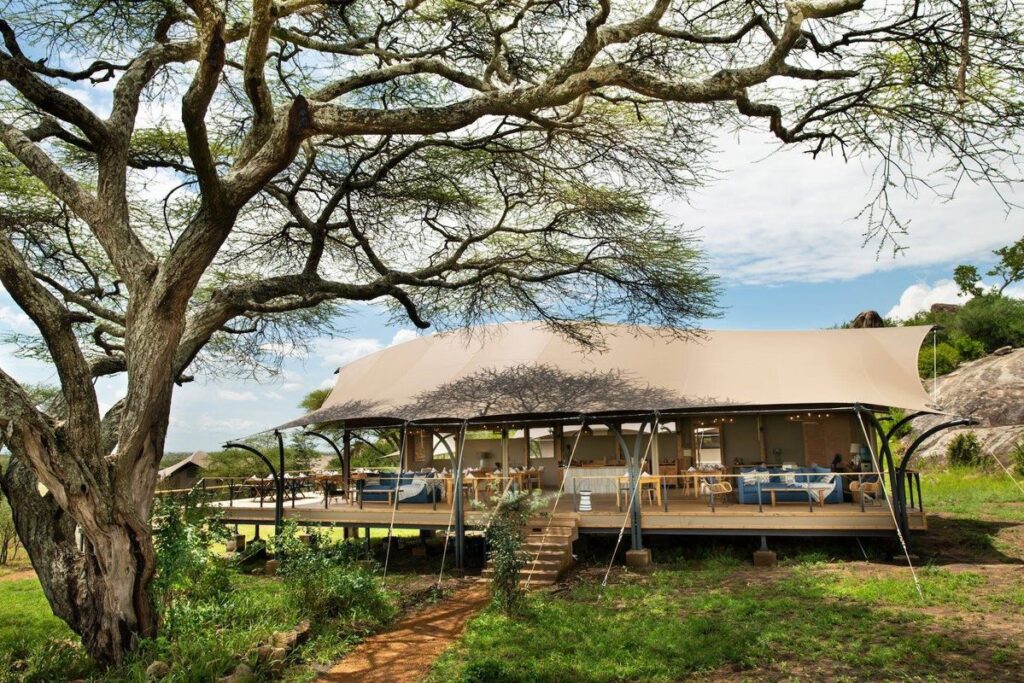
Governors’ Camp remains one of the most historically significant properties among the best Masai Mara safari camps, offering a long-established presence within the Reserve. Its location along the Mara River places it within a key wildlife corridor, allowing for frequent sightings and easy access to migration activity. The camp’s design maintains a traditional safari atmosphere, emphasizing proximity to nature rather than modern luxury.
This makes it particularly appealing for travelers who want an authentic and grounded experience, where the focus remains firmly on wildlife and landscape rather than amenities. Its reputation is built on consistency and guiding quality, making it a reliable choice within a busy environment.
Mara Serena Safari Lodge – Hilltop Panoramic Views
Mara Serena Safari Lodge offers a different perspective among the best Masai Mara safari camps, positioned on a hilltop that provides sweeping views across the plains. This elevated setting creates a strong visual connection to the landscape, allowing guests to observe wildlife movement even when not on a game drive. The lodge’s structure is larger and more resort-like, making it suitable for travelers who prefer a combination of comfort and accessibility.
While it may not offer the same level of intimacy as smaller camps, its location and facilities provide a stable and predictable safari environment, particularly for those visiting the Mara for the first time.
Budget Camps Inside the Reserve
Budget options within the best Masai Mara safari camps category provide a more accessible way to experience the Reserve without sacrificing core wildlife encounters. These camps tend to focus on functionality and location rather than design, ensuring that guests can participate fully in game drives while managing costs. The key advantage of staying in budget camps is that they often share the same access to wildlife areas as higher-end properties.
However, the trade-off comes in the form of fewer amenities and less personalized service. For travelers who prioritize time in the field over accommodation features, these camps can offer strong value within the broader Mara ecosystem.
Best Private Conservancy Camps Around the Mara
Private conservancies host some of the best Masai Mara safari camps, particularly for travelers seeking a more refined and less crowded safari experience. These areas operate under conservation-focused models that limit visitor numbers and enhance wildlife protection, creating environments where encounters feel more exclusive and less rushed. The camps within these conservancies are typically smaller and more specialized, designed to integrate closely with their surroundings.
Staying in a conservancy allows for a more flexible and immersive safari rhythm, where activities can extend beyond traditional game drives. This creates a deeper connection to the landscape and a greater sense of continuity throughout the experience.
Olare Motorogi Conservancy – Top Big Cat Territory
Olare Motorogi is widely regarded as one of the most productive big cat regions in the Mara, making it a key location for the best Masai Mara safari camps focused on predator sightings. The conservancy’s controlled vehicle numbers ensure that sightings remain intimate, even when observing highly sought-after species such as lions and leopards.
Best camps in Olare Motorogi
Camps in this conservancy are known for their strategic positioning and high guiding standards, offering consistent access to predator activity while maintaining a strong sense of privacy.
Mara North Conservancy – Exclusive River Crossing Access
Mara North offers a balance between exclusivity and access to migration routes, making it home to some of the best Masai Mara safari camps for travelers interested in river crossings without the congestion of the Reserve. The conservancy’s structure allows for controlled access to key areas, ensuring that sightings remain manageable and immersive.
Best camps in Mara North
Camps here are typically positioned near river systems and migration corridors, providing strong opportunities for observing seasonal wildlife movement.
Naboisho Conservancy – Largest, Lowest Vehicle Density
Naboisho Conservancy is one of the largest private areas surrounding the Mara and is known for maintaining some of the lowest vehicle densities in the region. This makes it particularly appealing for travelers who prioritize solitude and uninterrupted wildlife viewing when choosing among the best Masai Mara safari camps.
The landscape here supports a wide range of species, and the reduced traffic allows for more natural animal behavior, creating a quieter and more reflective safari experience.
When to Be at the Mara – Migration Month-by-Month Guide
Timing is one of the most critical factors when selecting the best Masai Mara safari camps, as the Great Migration moves through the region in a seasonal pattern that influences both wildlife density and activity. Understanding this movement allows travelers to position themselves in the right place at the right time, transforming the safari from a general wildlife experience into a highly targeted encounter.
While the migration is often associated with river crossings, it is important to recognize that each phase offers a different kind of experience, from large herd movements to predator interactions. The best Masai Mara safari camps are those that align with these phases, ensuring that your visit coincides with peak activity in your chosen area.
River Crossings (Jul–Oct) – Which Camps Have Best Access?
River crossing season represents the most dramatic phase of the migration, drawing travelers from around the world to the Mara. The best Masai Mara safari camps during this period are those located near key crossing points, allowing for rapid response when herds begin to gather along the riverbanks.
These camps often book well in advance due to the limited number of prime locations, making early planning essential for securing the best possible experience.
Shoulder & Green Season Camps – Value & Fewer Tourists
Outside peak migration months, the Mara offers a quieter and more cost-effective safari experience, with fewer visitors and more flexible booking options. The best Masai Mara safari camps during these periods focus on resident wildlife rather than migration events, providing a different but equally rewarding perspective.
→ TABLE: Migration timing and best zones
| Month | Migration Event | Best Zone | Recommended Camp | Price Range (Per Person/Night) |
|---|---|---|---|---|
| Jan–Mar | Calving season (south) | Southern Mara / conservancies | Naboisho camps | $500 – $1,200 |
| Apr–Jun | Movement north | Central Mara | Governors’ Camp | $300 – $800 |
| Jul–Oct | River crossings | Northern Mara / Mara North | Sayari-style camps | $700 – $1,500 |
| Nov–Dec | Return south | Central / conservancies | Mixed camps | $400 – $900 |
This table demonstrates how the best Masai Mara safari camps must be selected in alignment with migration timing rather than static preference. Each period offers a distinct experience, and choosing the right combination of month and location ensures that your safari is shaped by active wildlife patterns rather than chance.
What to Expect at a Masai Mara Tented Camp
Staying in one of the best Masai Mara safari camps is as much about the rhythm of daily life as it is about wildlife viewing. Tented camps in the Mara are designed to create a seamless connection between comfort and immersion, allowing guests to experience the sounds, atmosphere, and unpredictability of the bush while maintaining a high level of service. Unlike traditional hotels, these camps operate in sync with the natural environment, shaping each day around the movement of wildlife and the changing light.
This creates a safari experience that feels fluid and responsive rather than fixed, where each moment builds naturally into the next. The best Masai Mara safari camps are those that balance structure with flexibility, ensuring that guests feel both guided and free to engage with the environment.
A Typical Safari Day in the Mara
A typical day at the best Masai Mara safari camps begins before sunrise, when the landscape is still cool and predators are at their most active. Early morning game drives are designed to take advantage of this window, often revealing lions returning from a hunt or hyenas finishing the night’s activity. After several hours in the field, guests return to camp for a relaxed breakfast followed by downtime, which may include rest, photography, or simply observing wildlife from camp. The rhythm resumes in the late afternoon with another game drive that extends into sunset, creating a natural flow between high-energy exploration and quiet reflection that defines the Mara experience.
Meals, Facilities & What’s Included
Meals at the best Masai Mara safari camps are typically served in open or semi-open settings that maintain a constant connection to the surrounding environment, whether overlooking plains, rivers, or acacia woodland. Dining is often a blend of communal and private experiences, allowing guests to engage socially or remain more secluded depending on preference. Most camps operate on a full-board basis, which includes all meals, guided game drives, and park-related activities, creating a seamless structure where logistics are handled entirely by the camp. Facilities vary by tier, but even mid-range camps maintain a strong focus on comfort and consistency without distracting from the core safari experience.
Night Drives & Sundowners – Conservancy Perks
One of the defining advantages of staying in the best Masai Mara safari camps within private conservancies is access to experiences that extend beyond the limitations of the National Reserve. Night drives allow guests to explore the landscape after dark, revealing nocturnal species such as civets, genets, and hunting predators that are rarely seen during the day. Sundowners, meanwhile, introduce a more reflective moment within the safari rhythm, where guests pause in a scenic location to watch the sun set over the plains. Together, these experiences add depth and variation to the safari, transforming it from a daytime activity into a more continuous and immersive engagement with the environment.
Getting to the Masai Mara
Reaching the best Masai Mara safari camps involves a choice between efficiency and gradual immersion, with both flight and road options offering distinct advantages depending on how you want your safari to begin. While the Mara is relatively accessible compared to other African safari destinations, the journey itself plays an important role in shaping the overall experience. Whether arriving quickly by air or transitioning slowly by road, the approach into the Mara sets the tone for what follows, making transport decisions an integral part of safari planning rather than a simple logistical detail.
Fly-In From Nairobi Wilson Airport – 45 Minutes
Flying from Nairobi’s Wilson Airport is the most efficient way to access the best Masai Mara safari camps, reducing travel time to approximately 45 minutes while offering a striking aerial perspective of Kenya’s changing landscapes. As the flight progresses, cultivated land gradually gives way to open savannah, providing a visual introduction to the ecosystem before you even arrive. Upon landing at a bush airstrip, guests are typically met by their camp’s guide and transferred directly into the reserve or conservancy, often beginning their first game drive immediately. This seamless transition allows the safari to begin almost instantly, making fly-in access particularly valuable for shorter itineraries.
Road Drive From Nairobi – 5–6 Hours
Traveling by road to the best Masai Mara safari camps offers a more gradual and grounded introduction to the region, passing through rural towns, agricultural landscapes, and eventually into the open plains of the Rift Valley. The journey typically takes five to six hours, depending on road conditions and weather, and requires careful pacing to remain comfortable. While longer than flying, this option allows travelers to experience the broader Kenyan landscape in a way that flights cannot provide. For those who value the journey as part of the story, the drive into the Mara can feel like a slow transition into the safari world.
Which Airstrip Serves Which Conservancy?
Each conservancy and reserve area is served by specific airstrips, making flight planning directly connected to your choice among the best Masai Mara safari camps. Camps in Mara North, Olare Motorogi, and Naboisho are typically linked to nearby airstrips that minimize transfer time upon arrival, ensuring a smooth transition into your safari activities. Understanding this relationship is essential when planning a fly-in safari, as choosing the correct airstrip can significantly reduce travel time on the ground. At a strategic level, this is where expert planning becomes particularly valuable, ensuring that flights, transfers, and camp locations are aligned into a seamless arrival experience.
Masai Mara + Amboseli or Samburu – Kenya Multi-Camp Combos
Combining the Mara with other regions such as Amboseli or Samburu creates a more diverse safari experience, introducing different landscapes and wildlife patterns. The best Masai Mara safari camps serve as the anchor for these itineraries, providing a strong foundation before expanding into other areas.
Classic 7-Day Kenya Safari Itinerary
A typical itinerary includes several nights in the Mara followed by time in another park, creating a balanced and varied journey across Kenya’s ecosystems.
FAQs – Masai Mara Safari Camps
What Is the Best Camp for River Crossings?
The best Masai Mara safari camps for river crossings are those located in the northern regions and conservancies adjacent to the Mara River, where herds gather during migration season. These camps offer proximity and rapid access, which are critical for witnessing crossings as they occur unpredictably.
Is It Safe to Sleep in a Tented Camp in the Mara?
Tented camps in the Mara are designed with safety as a priority, using trained staff and established protocols to ensure a secure environment. The best Masai Mara safari camps combine this safety with a sense of openness, allowing guests to feel connected to the surroundings without compromising security.
How Far Is the Mara From Nairobi?
The Masai Mara is approximately 45 minutes by air or five to six hours by road from Nairobi, depending on the route and conditions. This accessibility makes it one of the most convenient safari destinations in East Africa.
Book Your Masai Mara Camp With Nomara Safaris
Booking the best Masai Mara safari camps requires aligning your travel dates, location preferences, and migration timing into a single, well-coordinated plan. At Nomara Safaris, we approach camp selection as part of a broader safari design, ensuring that each decision supports the overall experience.
By combining expert knowledge of seasonal patterns with carefully selected camps, we create itineraries that feel seamless and intentional. The result is not just a booking, but a safari experience that unfolds exactly as it should—aligned with wildlife, landscape, and expectation.


Comments are closed