
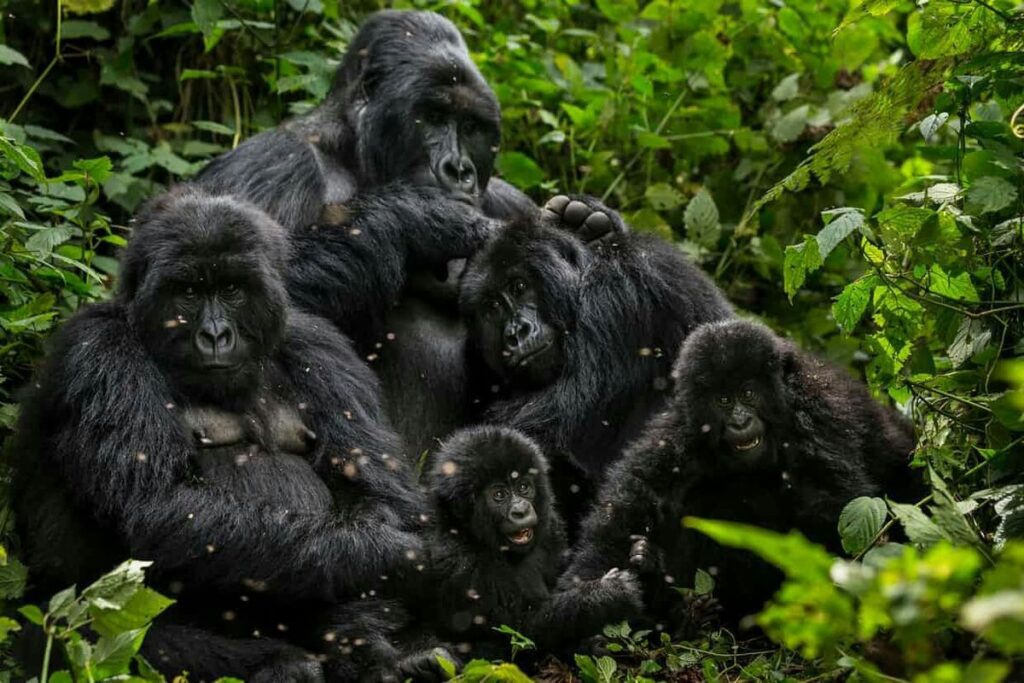
When you pay for a gorilla trekking permit, you are not just buying an experience. You are making a direct contribution to the survival of one of the world’s most endangered animals. The mountain gorilla conservation fee, whether you pay USD 800 in Uganda or USD 1,500 in Rwanda, funds a complex network of protection, research, and community development. Mountain gorillas were once on the brink of extinction. In the 1980s, fewer than 600 individuals remained in the wild. Today, thanks largely to the funding from gorilla trekking permits, the population has grown to over 1,000. This recovery is one of the greatest conservation success stories in history. This guide to the mountain gorilla conservation fee explains exactly where your permit money goes. You will learn about anti poaching patrols, veterinary interventions, tracking and monitoring, community benefits, infrastructure, and research. Understanding the mountain gorilla conservation fee transforms your trek from a simple tourist activity into a meaningful contribution to conservation.
The mountain gorilla conservation fee has funded one of the most remarkable conservation recoveries in history. In the 1980s, mountain gorillas were critically endangered, with fewer than 600 individuals remaining in the wild. Poaching, habitat loss, and civil unrest threatened to wipe them out completely. The work of Dian Fossey, who studied and protected the gorillas of the Virunga Massif, brought international attention to their plight. After her death in 1985, conservation efforts intensified. The governments of Uganda, Rwanda, and the Democratic Republic of Congo, with support from international organizations, developed a model of high value, low volume tourism. The mountain gorilla conservation fee was set at a level that would fund robust protection while limiting the number of visitors to reduce disturbance.
Today, the mountain gorilla population has increased to over 1,000 individuals. In 2018, the IUCN changed their status from Critically Endangered to Endangered. This success is directly attributable to the funding from the mountain gorilla conservation fee. Every dollar you pay for your permit goes into a system that has proven effective. When you trek gorillas, you are witnessing the results of decades of conservation investment. Your mountain gorilla conservation fee ensures that this success continues.
A significant portion of your mountain gorilla conservation fee funds anti poaching patrols and ranger salaries. Rangers are the frontline defenders of mountain gorillas. They work in difficult, often dangerous conditions, patrolling the forests daily to remove snares, arrest poachers, and protect the gorillas. Rangers are paid a salary that allows them to support their families, reducing the temptation to participate in poaching. The mountain gorilla conservation fee also funds training, equipment, and uniforms for rangers.
Anti poaching patrols operate every day in Bwindi and Volcanoes National Parks. Rangers walk transects through the forest, looking for signs of illegal activity. They remove snares set for antelopes and other animals that can also trap gorillas. They monitor known poaching routes and maintain a presence that deters illegal entry. The mountain gorilla conservation fee pays for the fuel for vehicles, the maintenance of patrol posts, and the communication equipment that keeps rangers connected. Without this funding, the parks would be unable to maintain the level of protection that has allowed gorilla populations to recover. Your permit fee is a direct contribution to the safety of every gorilla you see.
The mountain gorilla conservation fee also funds the Gorilla Doctors, a team of veterinarians who provide life saving medical care to mountain gorillas. Gorillas can suffer from respiratory infections, injuries from snares, and other health problems. Without intervention, these conditions can be fatal. The Gorilla Doctors are on call 24 hours a day, ready to respond when a gorilla is sick or injured. They also conduct routine health checks on habituated groups, monitoring for signs of disease.
Your mountain gorilla conservation fee covers the salaries of the veterinarians, the cost of medical equipment and medicines, and the logistics of reaching gorillas in remote forest locations. The Gorilla Doctors have successfully treated hundreds of gorillas over the years. They have removed snares from injured animals, treated pneumonia in infants, and even performed field surgeries. The mountain gorilla conservation fee also funds disease prevention measures, such as requiring trekkers to maintain a seven metre distance and to wear masks to prevent the transmission of human illnesses. This veterinary program has been critical to the recovery of mountain gorilla populations.
A portion of your mountain gorilla conservation fee funds the trackers and monitors who follow the gorillas every day. Each habituated gorilla group has a dedicated team of trackers who locate the group at dawn and monitor their movements throughout the day. The trackers record information about the gorillas’ health, behaviour, and location. This data is used to manage tourism, to respond quickly to health issues, and to understand gorilla ecology.
The trackers are often former poachers who have been employed to protect the gorillas instead of hunting them. Your mountain gorilla conservation fee provides these men and women with stable employment, transforming them from threats to protectors. The daily monitoring also ensures that trekkers can find the gorillas efficiently. Without the trackers, treks would be much longer and less successful. The mountain gorilla conservation fee makes this daily monitoring possible. When you trek, you follow the radio signals and directions of the trackers who have already located the gorillas.
A significant portion of your mountain gorilla conservation fee goes to local communities living near the parks. The revenue sharing program in both Uganda and Rwanda returns a percentage of permit fees to communities through development projects. These projects include building schools, providing clean water, constructing health clinics, and supporting women’s enterprises. The mountain gorilla conservation fee creates a financial incentive for communities to protect gorillas rather than poach them.
In Uganda, 20 percent of park entry fees are returned to local communities. In Rwanda, a portion of permit fees funds community projects. The revenue sharing has transformed attitudes toward conservation. Communities that once saw gorillas as a threat to their crops now see them as an asset. The mountain gorilla conservation fee has funded hundreds of projects over the years, building classrooms, installing water tanks, and providing healthcare. When you pay your permit fee, you are contributing to the wellbeing of the people who live alongside the gorillas. This community support is essential to long term conservation success.
The mountain gorilla conservation fee also funds the infrastructure that makes gorilla trekking possible. This includes the park headquarters where you receive your briefing, the trails that lead into the forest, and the vehicles and equipment used by rangers and guides. The fee also covers park management costs, including salaries for wardens, administrators, and support staff. Without this infrastructure, gorilla trekking could not operate safely or efficiently.
In recent years, the mountain gorilla conservation fee has funded trail improvements, including steps and bridges that make trekking safer and reduce erosion. It has funded the construction of new park headquarters and visitor centres. It has funded the installation of solar power and communication systems in remote areas. Your permit fee ensures that the parks are well managed and that future generations can continue to trek gorillas. The mountain gorilla conservation fee is an investment in the long term sustainability of gorilla tourism.
A portion of your mountain gorilla conservation fee funds research and scientific studies that inform conservation decisions. Researchers study gorilla behaviour, genetics, ecology, and health. This research provides the data needed to manage gorilla populations effectively. It helps park authorities understand how gorillas use the forest, how they respond to tourism, and what threats they face.
The mountain gorilla conservation fee has funded research on the transmission of human diseases to gorillas, leading to the current rules about distance and masks. It has funded studies on gorilla diet and habitat use, informing park management. It has funded genetic studies that help track relatedness and population health. Your permit fee supports this research, which in turn supports better conservation. The mountain gorilla conservation fee creates a virtuous cycle of protection, research, and management.
Your mountain gorilla conservation fee is distributed across several areas. Approximately 30 to 40 percent goes to anti poaching patrols and ranger salaries. Another 20 to 30 percent goes to community revenue sharing and development projects. The remainder funds veterinary interventions, tracking and monitoring, park infrastructure, and research. In Uganda, 20 percent of park entry fees are returned directly to local communities. The exact percentages vary by country and year, but the majority of your mountain gorilla conservation fee stays in and around the parks where the gorillas live.
The gorilla permit fee is both. It is a mandatory fee for trekking, but it is structured as a conservation contribution. The mountain gorilla conservation fee is set at a level that funds robust protection while limiting visitor numbers. It is not a tax in the traditional sense, as the funds are used directly for park management and community benefits. The fee is also a tool for conservation. By charging a high price, the parks limit the number of visitors and ensure that tourism does not negatively impact the gorillas. Your mountain gorilla conservation fee is an investment in gorilla survival.
In Uganda, 20 percent of park entry fees, which includes a portion of the mountain gorilla conservation fee, is returned to local communities through the revenue sharing program. This program has funded hundreds of projects including schools, health clinics, water systems, and roads. In Rwanda, a portion of permit fees also goes to community projects, though the exact percentage is not publicly specified. The community benefit is one of the most important aspects of the mountain gorilla conservation fee. It creates a direct financial link between gorilla protection and community wellbeing.
Yes, the mountain gorilla conservation fee has been remarkably successful. The mountain gorilla population has increased from fewer than 600 in the 1980s to over 1,000 today. In 2018, the IUCN changed their status from Critically Endangered to Endangered. This success is directly attributable to the funding from gorilla trekking permits. The mountain gorilla conservation fee has funded anti poaching patrols, veterinary care, community development, and research. Without this funding, mountain gorillas would likely still be in steep decline. Your permit fee is contributing to one of the greatest conservation success stories in history.
Yes, you can see the results of your mountain gorilla conservation fee during your trek. The rangers who guide you are paid from these funds. The trackers who find the gorillas are employed from these funds. The healthy gorillas you see are protected by these funds. If you visit a community project funded by revenue sharing, you can see the schools, clinics, and water systems built with your mountain gorilla conservation fee. The transformation of the landscape and the recovery of the gorilla population are visible evidence of the success of this conservation model.
Understanding where your mountain gorilla conservation fee goes transforms your trek from a tourist activity into a meaningful contribution. When you pay for your permit, you are funding anti poaching patrols, veterinary care, community development, and research. You are part of one of the greatest conservation success stories in history. At Nomara Safaris, we handle all permit bookings as part of your gorilla trekking safari package. Contact Nomara Safaris to begin planning your trek. We will secure your permits, arrange your accommodation, and ensure you have an unforgettable experience that also supports gorilla conservation.