
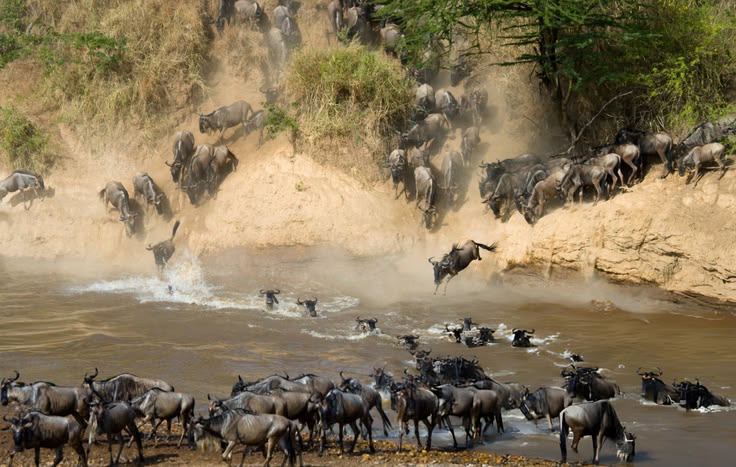
The Serengeti is the most famous wildlife reserve on earth, and for good reason. Covering nearly 15,000 square kilometres of rolling grasslands, acacia woodlands, and riverine forests, it hosts the Great Migration, the largest overland mammal movement on the planet. More than 1.5 million wildebeest and 200,000 zebra move in a continuous, ancient loop through the ecosystem, driven by rainfall and the search for fresh grass. Understanding the Serengeti’s migration routes and seasons is essential for planning a successful safari. This Serengeti National Park guide covers everything you need to know. You will learn about the annual migration cycle, the best time to be in each sector, the river crossings at the Grumeti and Mara Rivers, the resident wildlife, the top camps and lodges, and practical tips for your visit. Whether you are a first time visitor or a seasoned safari goer, this Serengeti National Park guide will help you plan an unforgettable adventure.
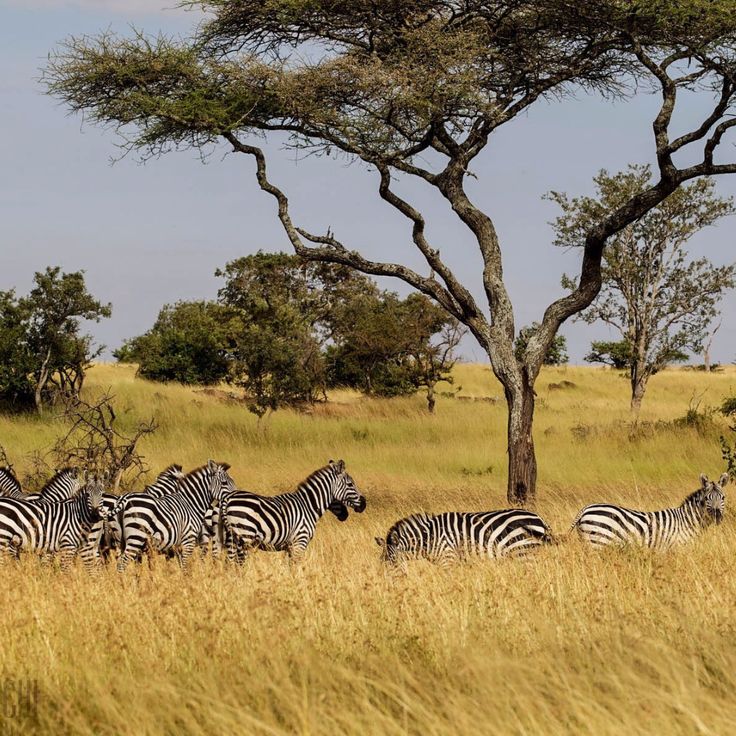
Serengeti National Park is the crown jewel of Tanzania’s protected areas and a UNESCO World Heritage Site. The name comes from the Maasai word siringet, meaning endless plains. The park is divided into several distinct sectors. The southern plains are short grass plains ideal for calving season. The central Seronera area has year round resident game and is famous for its lions and leopards. The western corridor follows the Grumeti River and is known for the dramatic river crossings. The northern Serengeti is remote and wild, home to the Mara River crossings. The Lobo area in the northeast offers excellent game viewing during the dry season.
The Serengeti supports over 4,000 lions, 1,000 leopards, and 500 cheetahs, making it one of the best predator viewing destinations on earth. The park has a range of accommodation from budget campsites to ultra luxury lodges. The roads are variable, with some sectors inaccessible during the wet season. This Serengeti National Park guide focuses on the migration routes and seasons, helping you plan your visit for the best possible wildlife viewing. The key to a successful Serengeti safari is being in the right place at the right time.
The Great Migration is a continuous loop of movement, with the wildebeest and zebra rotating through the Serengeti ecosystem in response to rainfall and grass quality. Understanding this cycle is the most important part of this Serengeti National Park guide. The herds spend approximately nine months of the year in Tanzania. From December through March, they are on the short grass plains of the southern Serengeti and the Ngorongoro Conservation Area. This is calving season, when half a million calves are born within a three week window. The predator action during this period is relentless.
From April through June, the herds move west and north through the central Serengeti and the western corridor. The Grumeti River crossings occur in May and June, with enormous Nile crocodiles waiting for the hesitant. From July through October, the herds mass in the northern Serengeti and cross the Mara River into Kenya’s Masai Mara. This is the most famous window, with the most dramatic crossings. The herds then move back south through the eastern Serengeti from November to December, completing the loop. This Serengeti National Park guide breaks down each season in detail.
From December through March, the herds congregate on the short grass plains of the southern Serengeti and the Ngorongoro Conservation Area. This is calving season, and for many experienced safari goers, it rivals the river crossings in drama. Within a three week window, typically in February, half a million wildebeest calves are born. The synchronisation is a survival strategy. By giving birth all at once, the herds overwhelm the predator population. The lions, cheetahs, and hyenas cannot eat all the calves. The predator action during calving season is relentless. Cheetahs hunt daily on the open plains. Lions target the vulnerable newborns. Hyenas work in clans to separate calves from their mothers.
The southern Serengeti is less crowded than the northern sector during peak season, and the prices are lower. The landscape is open, dotted with rocky kopjes, and the light is spectacular. Calving season also coincides with green season rates, meaning you get discounted lodge prices and fewer vehicles. The one drawback is the risk of rain, though it usually falls in afternoon storms that clear quickly. This Serengeti National Park guide recommends February as the optimal month for calving season, balancing calf density, predator activity, and weather. The Ndutu region, on the border between the Serengeti and Ngorongoro Conservation Area, is the epicentre.
From April through June, the herds move west and north through the central Serengeti and the western corridor. This is the rutting season, when the wildebeest males compete for females. The Grumeti River crossings occur typically in May and June. The Grumeti is narrower than the Mara River, and the crocodiles are larger, some exceeding five metres. The crossings are less dramatic than the Mara River plunges but more intimate. You are closer to the action. The crocodile attacks are savage and swift. The Grumeti Reserves, a private concession managed by Singita, offer exclusive access with very low vehicle density.
The western corridor is less visited than the central or northern Serengeti, making it a good choice for travellers who want to avoid crowds. The drawback is that the Grumeti crossings are less predictable than the Mara River crossings. Some years produce dozens of crossings; other years only a handful. This Serengeti National Park guide recommends a minimum of four nights in the western corridor during May and June to maximise your chances. The area also has excellent resident game, including large herds of buffalo and elephant.
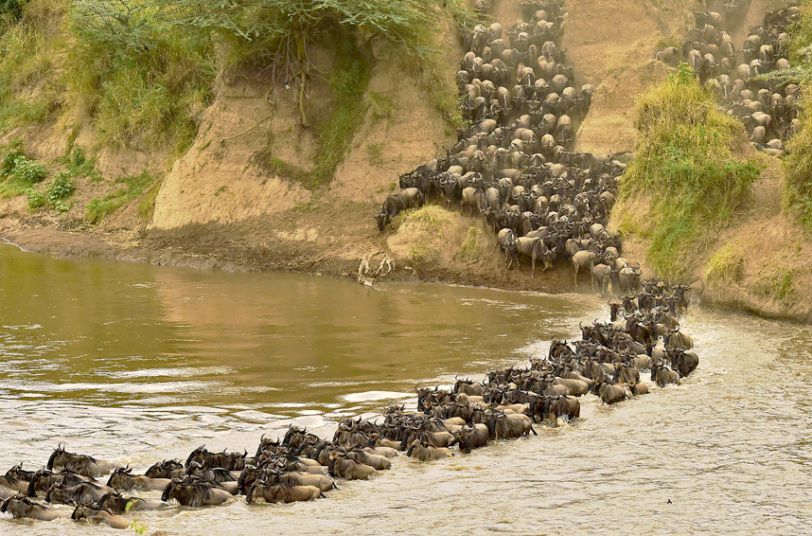
From July through October, the herds mass in the northern Serengeti and cross the Mara River into Kenya’s Masai Mara. This is the most famous phase of the Migration, and the most photographed. The Mara River is wide and deep. The crocodiles are numerous. The crossings are chaotic, with wildebeest plunging from high banks, drowning in the current, and being snatched by reptiles. The far bank becomes a scramble of panicked hooves. The entire spectacle lasts perhaps fifteen minutes, but it imprints on your memory for a lifetime. The northern Serengeti is remote and wild. The roads are rough, and the area feels truly untouched.
The Mara River crossings require strategy. The crossings are not daily events. They are unpredictable, triggered by rainfall patterns, herd pressure, and the phase of the moon. A week in the northern Serengeti during August might produce five crossings or zero. To maximise your chances, this Serengeti National Park guide recommends a minimum of five nights in the northern Serengeti, staying in a mobile camp that can relocate to follow the herds. September and early October offer the best combination of crossing activity and manageable crowds. The peak August crowds can be intense, especially on the Kenyan side.
The central Seronera area is the heart of the Serengeti and offers the most reliable resident game viewing year round. Unlike the seasonal movements of the Migration, the central Serengeti is always productive. The area is known for its high density of lions and leopards. The Seronera River attracts wildlife even during the dry season. You can see lion prides resting on the rocky kopjes, leopards draped over tree branches, and elephants moving through the woodlands. Cheetahs hunt on the open plains. The central Serengeti also has excellent birding, with over 500 species recorded.
The central Serengeti is the most accessible sector of the park, with a good network of roads and a range of accommodation options. It is the best choice for travellers who have limited time or who are visiting outside the Migration seasons. Even during the dry season, when the herds are in the north, the central Serengeti delivers exceptional wildlife viewing. This Serengeti National Park guide recommends the central Serengeti for first time visitors who want a classic safari experience without chasing the Migration.
The best time to visit Serengeti National Park depends on what you want to see. For the calving season and predator action in the southern Serengeti, visit from January to March. February is the peak month. For the Grumeti River crossings in the western corridor, visit in May and June. For the Mara River crossings in the northern Serengeti, visit from July to October. September and early October are ideal for crossing activity with fewer crowds. For reliable resident game without the crowds, visit in November or December, when the short rains begin and the landscape is green.
The dry season from June to October offers the best weather and the most reliable game viewing across the park. The roads are dry, and animals congregate around water sources. This is the peak season, with higher prices and more crowds. The green season from November to May offers lower prices, fewer crowds, and stunning green landscapes. The birding is exceptional. The roads can be muddy, and some areas may be inaccessible. This Serengeti National Park guide recommends the dry season for first time visitors who want the easiest conditions, and the green season for budget travellers and birders.
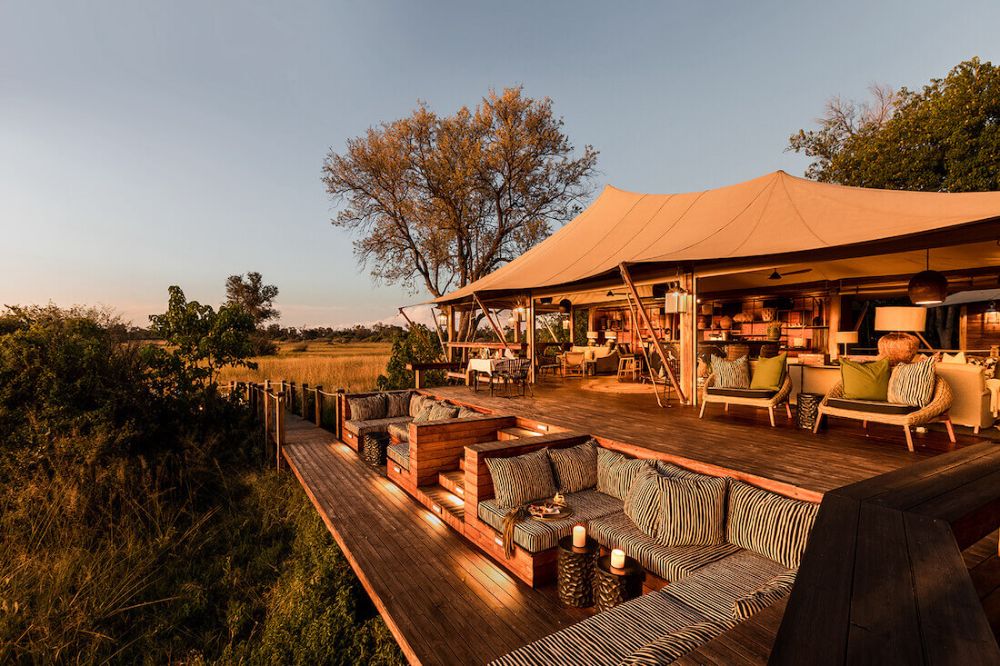
The Serengeti has an extraordinary range of accommodation, from mobile camps that follow the Migration to permanent lodges in key locations. For the southern Serengeti during calving season, mobile camps like Olakira Camp and Kimondo Camp offer the best access. Permanent lodges in the Ndutu area include Ndutu Safari Lodge and Lake Masek Tented Camp. For the western corridor, Singita Grumeti is the premier luxury property, with a range of lodges in the private Grumeti Reserves. For the northern Serengeti, Sayari Camp and Lamai Serengeti offer excellent access to the Mara River crossings.
For the central Serengeti, Four Seasons Safari Lodge is the most famous luxury property, with a swimming pool and spa. Dunia Camp and Serengeti Serena Lodge offer mid range options. For budget travellers, the public campsites in the central Serengeti offer the lowest cost accommodation, but you need your own equipment. This Serengeti National Park guide recommends booking well in advance for any stay during peak season, especially for mobile camps and properties in the northern Serengeti. Book six to nine months ahead for July to October travel.
The best time to see the Great Migration in the Serengeti depends on which phase you want to witness. For calving season and predator action in the southern Serengeti, visit in February. For the Grumeti River crossings in the western corridor, visit in May and June. For the Mara River crossings in the northern Serengeti, visit from July to October, with September and early October offering the best combination of activity and manageable crowds. This Serengeti National Park guide can help you choose the right season for your priorities.
You need a minimum of three nights in the Serengeti, but this Serengeti National Park guide recommends five to seven nights. The park is vast, and the Migration moves. More time allows you to explore different sectors and increases your chances of witnessing a river crossing. A five night stay gives you four full days of game driving. For travellers who want to see both calving season and river crossings, consider a seven to ten night itinerary that follows the herds.
The Serengeti and the Masai Mara are the same ecosystem, separated by the international border between Tanzania and Kenya. The Serengeti is larger, covering nearly 15,000 square kilometres, while the Masai Mara is approximately 1,500 square kilometres. The herds spend approximately nine months in the Serengeti and three months in the Masai Mara. The Serengeti has lower vehicle density and feels wilder. The Masai Mara has more developed infrastructure and easier logistics. This Serengeti National Park guide focuses on the Tanzanian side.
Yes, the Serengeti is safe for tourists. The park is well managed by the Tanzania National Parks Authority. Armed rangers patrol the park. Crime against tourists is extremely rare. Follow your guide’s instructions, stay in your vehicle during game drives except at designated viewing points, and do not walk in the bush without a ranger. The greatest risks are driving accidents on rough roads. This Serengeti National Park guide advises hiring a professional driver guide for your safety.
Yes, you can self drive in the Serengeti, but this Serengeti National Park guide does not recommend it for first time visitors. The roads are poorly marked, the distances are vast, and the wildlife can be dangerous. You need a 4×4 vehicle, navigation skills, and experience driving on rough roads. Hiring a professional driver guide is safer and enhances your wildlife viewing. The guide knows where to find the Migration and can interpret animal behaviour.
The Serengeti offers the ultimate African safari experience. The endless plains, the dramatic river crossings, the predator action during calving season, and the resident wildlife of the central Serengeti are unmatched. At Nomara Safaris, we design Serengeti safaris that match the Migration routes and seasons, ensuring you are in the right place at the right time. Contact Nomara Safaris to begin planning your Serengeti safari. Tell us your preferred travel dates and group size. We will create a custom itinerary that showcases the best of this legendary park.