
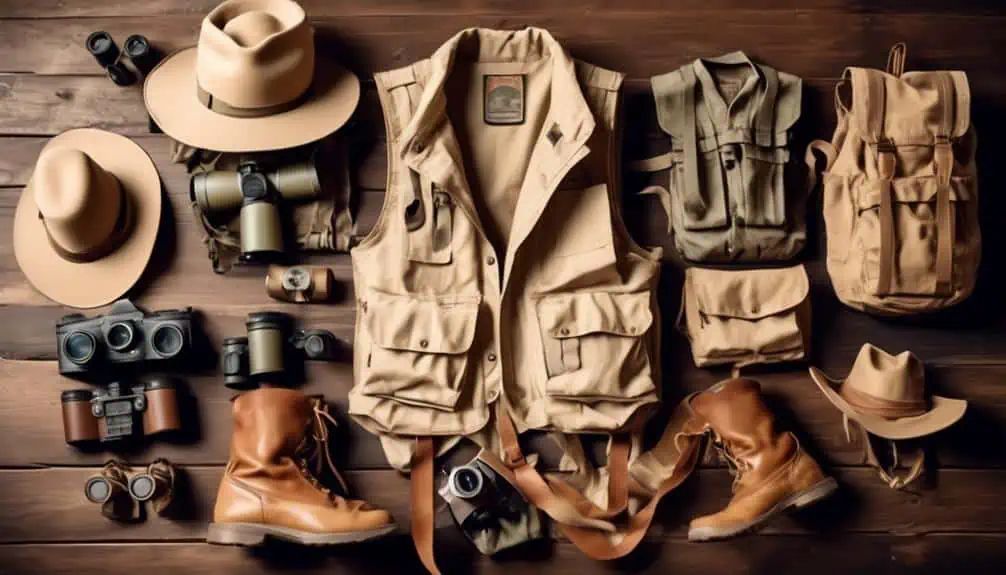
Packing for an East African safari is different from packing for any other holiday. You need clothing that works for early morning game drives when temperatures can be near freezing, midday heat that soars above 30 degrees, and dusty roads that leave everything coated in red dirt. You need neutral colours that blend into the bush. You need sturdy footwear for walking safaris and gorilla trekking. You need camera gear, binoculars, and a good sunscreen. This ultimate guide on what to pack for safari covers everything you need for a successful trip to Tanzania, Kenya, Uganda, or Rwanda. You will learn about clothing for game drives, gorilla trekking gear, footwear, toiletries, medical essentials, camera equipment, and documents. Whether you are going on a luxury lodge safari or a budget camping adventure, this guide on what to pack for safari will help you pack smart. At Nomara Safaris, we provide a detailed packing checklist to every client. This guide draws on that experience to help you prepare for your East African adventure.
Before diving into the specifics of what to pack for safari, understand these core principles. Layer, layer, layer. Mornings on safari are cold, afternoons are hot. A typical day starts at 6:00 AM with temperatures near freezing and ends at 4:00 PM with temperatures above 30 degrees. Wear a base layer, a fleece, and a windproof jacket in the morning. Remove layers as the day warms. Stick to neutral colours. Khaki, olive, beige, and brown are best. Avoid white, bright colours, and camouflage. White gets dirty instantly. Bright colours startle wildlife. Camouflage is restricted to military use in many African countries. Pack light. Most internal flights have baggage limits of 15 kilogrammes for checked luggage and 5 kilogrammes for carry ons. You do not need a different outfit for each day. Merino wool and synthetic fabrics dry quickly and resist odours. Cotton takes forever to dry and stays damp. This guide on what to pack for safari recommends a capsule wardrobe approach.
For game drives, you need clothing that is comfortable, neutral, and adaptable to temperature changes. Pack two pairs of safari trousers. Convertible trousers that zip off into shorts are practical. Trousers should be lightweight and quick drying. Avoid jeans. Jeans are heavy, take forever to dry, and are uncomfortable in heat. Pack four to six short sleeved shirts in neutral colours. Merino wool or synthetic fabrics are best. Cotton is acceptable but dries slowly. Pack one or two long sleeved shirts for cooler mornings and evenings. These also provide sun protection. Pack a fleece jacket or a warm sweater. Mornings on the savannah can be cold, especially from June to August. Pack a windproof and waterproof jacket. This serves as your outer layer on cold mornings and protects you from rain if you travel during the green season.
Pack a wide brimmed hat. A sun hat with a chin strap is essential. The equatorial sun is intense. Pack a warm hat and gloves if you are travelling from June to August. Open vehicle game drives can be bitterly cold at dawn. Pack a scarf or buff to protect your face from dust. The roads are unpaved, and the dust can be thick. Pack swimwear if your lodge has a pool. Many lodges in Tanzania and Kenya have swimming pools. This guide on what to pack for safari recommends packing enough clothing for five to seven days, even if your trip is longer. You can do laundry at most lodges.
If you are planning to trek mountain gorillas in Uganda or Rwanda, your packing list needs additional items. Gorilla trekking takes you through steep, muddy, dense forest. You need clothing that protects you from stinging nettles, insects, and the elements. Pack waterproof hiking trousers. These protect your legs from stinging nettles and keep you dry in rain. Trousers should be lightweight and quick drying. Pack a long sleeved shirt made of quick drying fabric. Your arms will be exposed to stinging nettles and branches. The long sleeves protect you. Pack a waterproof jacket. Rain is common in the forest, even during the dry season. Your jacket should be breathable to prevent overheating during the trek.
Pack gardening gloves. These protect your hands from stinging nettles and provide grip on slippery trails. You can buy cheap gardening gloves at the park headquarters. Pack gaiters if you have them. Gaiters keep mud and debris out of your boots. They are especially useful during the wet season. Pack a lightweight daypack. You need a small backpack to carry your water, snacks, camera, and extra layers during the trek. Avoid bright colours. Wear neutral colours only. Bright colours can disturb the gorillas. This guide on what to pack for safari emphasises that gorilla trekking clothing should prioritise protection and function over fashion.
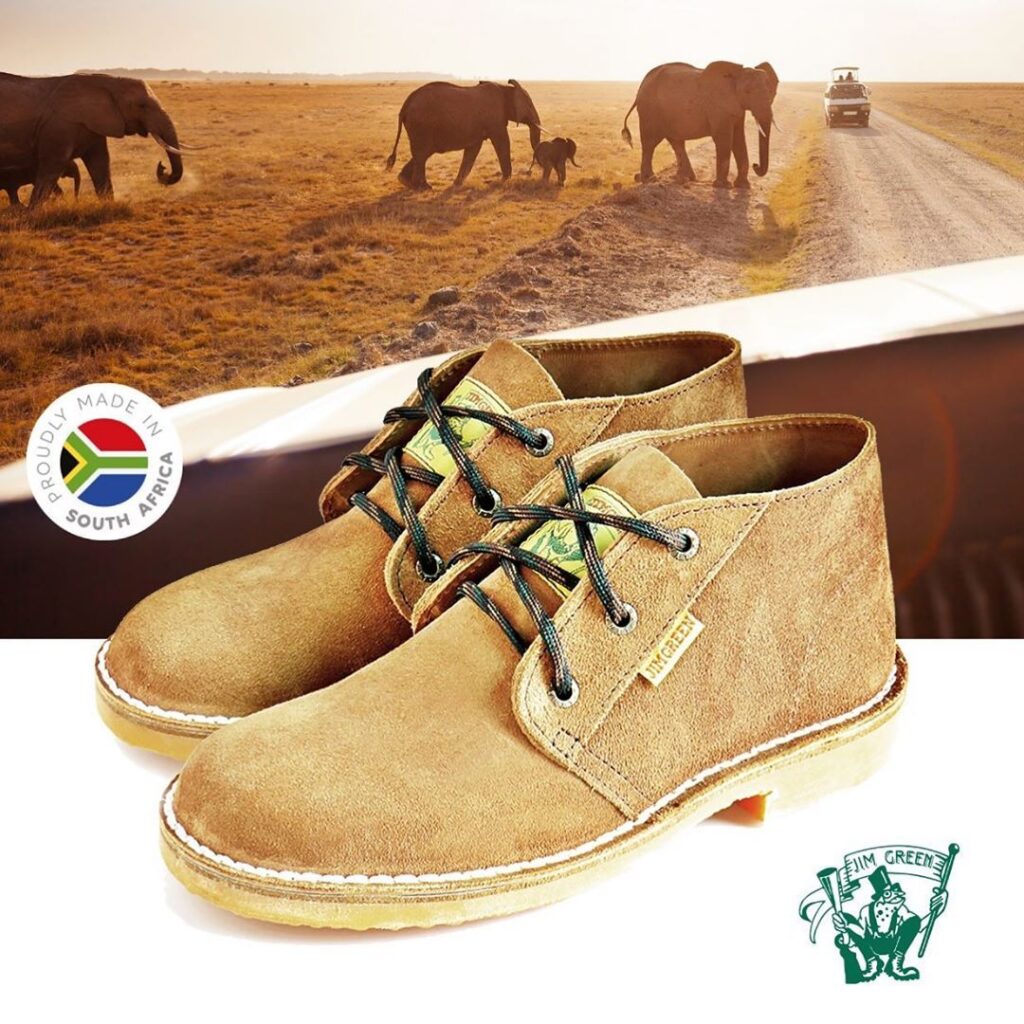
Proper footwear is one of the most important items in what to pack for safari. For game drives, closed toe shoes are essential. Trail runners or comfortable walking shoes are perfect. You will be getting in and out of the vehicle at sightings and viewpoints. Sandals and flip flops are not safe for game drives. You can wear them around the lodge. For gorilla trekking, waterproof hiking boots with ankle support are essential. The trails in Bwindi and Volcanoes National Park are steep, muddy, and slippery. Ankle support prevents sprains. Waterproofing keeps your feet dry. Break in your boots before you travel. New boots will give you blisters. Wear your boots for several weeks before your trip.
Pack a pair of sandals or flip flops for relaxing at the lodge. Many lodges have swimming pools and outdoor showers. Sandals are perfect for these areas. Pack a pair of comfortable shoes for flights and transfers. You will be spending time in airports and vehicles. Comfortable shoes make the journey more pleasant. If you are doing a walking safari, pack lightweight hiking shoes or sturdy trail runners. Walking safaris are typically on flat terrain, so heavy boots are not necessary. This guide on what to pack for safari recommends bringing two pairs of shoes in case one gets wet or damaged.
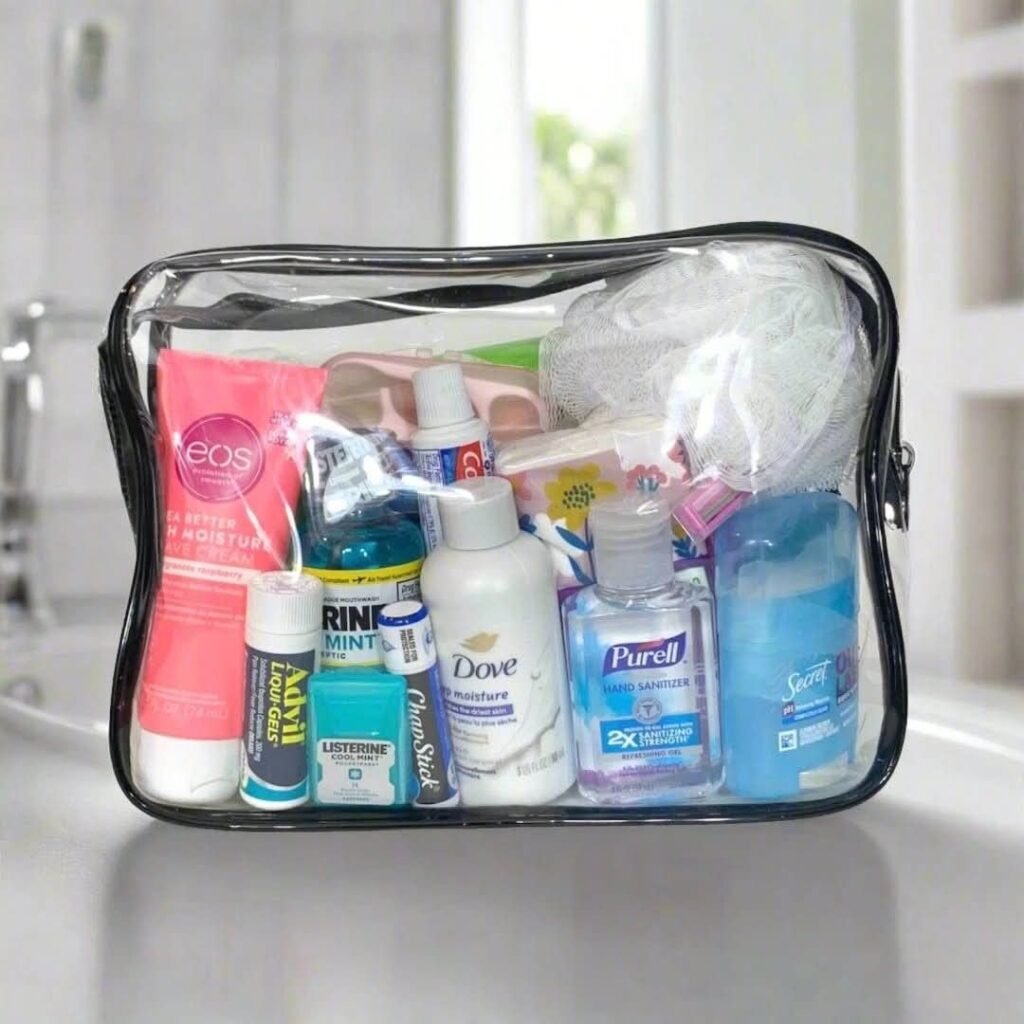
Your toiletry kit is an essential part of what to pack for safari. Pack high SPF sunscreen of at least 30. The equatorial sun is intense, even on cloudy days. Reapply frequently. Pack lip balm with SPF. Your lips will dry out in the sun and dust. Pack insect repellent with DEET. Malaria carrying mosquitoes are active at dawn and dusk. Use repellent on exposed skin. Pack hand sanitiser. You will be eating bush breakfasts and picnic lunches without access to soap and water. Sanitiser keeps your hands clean. Pack wet wipes. These are useful for cleaning your face and hands after dusty game drives. Pack a small first aid kit with plasters, antiseptic cream, pain relievers, and anti diarrhoea medication.
Pack biodegradable shampoo, conditioner, and soap. Many lodges are eco conscious and request that you use biodegradable products. Pack a microfiber towel. Microfibre towels dry quickly and pack small. Lodge towels are provided, but a small towel is useful for day trips. Pack a head torch or small flashlight. You will need light to navigate your tent or banda after dark. Power may be limited. Pack earplugs if you are a light sleeper. The sounds of the bush, including hippos grunting and hyenas whooping, can be loud at night. This guide on what to pack for safari recommends travel sized toiletries to save space and weight.
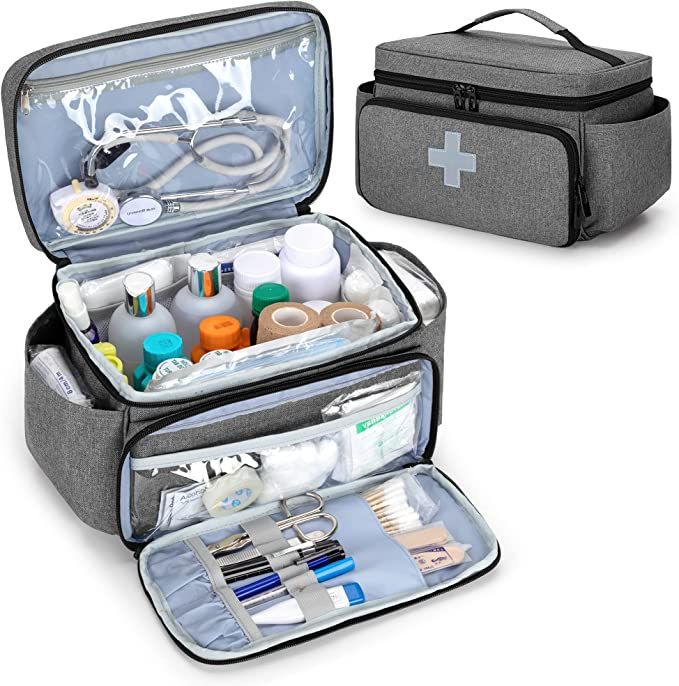
Health preparation is a critical part of what to pack for safari. Consult a travel doctor six to eight weeks before your departure. You may need vaccinations for yellow fever, typhoid, hepatitis A and B, and others. Yellow fever vaccination is required for entry into many African countries. You will need to show your yellow fever certificate. Pack malaria prophylaxis. Your doctor will prescribe the appropriate medication based on your travel plans. Start taking it before your trip. Pack oral rehydration salts. Dehydration is a risk in the heat. Rehydration salts help you recover quickly. Pack anti diarrhoea medication. Traveller’s diarrhoea is common. Pack antihistamines for allergic reactions.
Pack pain relievers like paracetamol or ibuprofen for headaches, muscle aches, and fevers. Pack motion sickness medication if you are prone to motion sickness. The roads in the parks can be bumpy, and small planes can be turbulent. Pack a basic first aid kit with plasters, sterile wipes, tweezers, and bandages. Pack any prescription medications you take regularly. Bring enough for the duration of your trip plus a few extra days. Keep medications in their original containers. Carry a copy of your prescriptions. This guide on what to pack for safari strongly recommends comprehensive travel insurance that covers medical evacuation.
Capturing your safari memories requires the right gear. What to pack for safari for photography depends on your skill level and interests. For most travellers, a DSLR or mirrorless camera with a zoom lens of 300mm to 400mm is ideal. You need reach to capture animals at a distance. A lens with a maximum aperture of f2.8 or f4 is best for low light conditions at dawn and dusk. Pack extra camera batteries. Cold mornings drain batteries quickly. You will need at least two or three batteries for a full day of game driving. Pack extra memory cards. You will take hundreds of photos. Bring at least 64GB or more. Pack a card reader and external hard drive for backing up your photos.
Pack a good pair of binoculars. Binoculars are essential for spotting wildlife. 8×42 or 10×42 are good choices. The guide will also have binoculars, but having your own enhances the experience. Pack a power bank for charging your phone and other devices. Lodge power may be limited to certain hours. A power bank ensures you stay charged. Pack a universal travel adapter. East Africa uses UK style plugs (three rectangular pins) in Uganda and Rwanda, and a mix of UK and European plugs in Kenya and Tanzania. Pack a headlamp with red light mode. Red light preserves your night vision. This is useful for night drives and moving around camp after dark.
Keeping your documents organised is an essential part of what to pack for safari. Pack your passport with at least six months of validity remaining. Some countries require nine months. Pack your visa. Some visas are obtained online before travel; others are available on arrival. Check the requirements for your nationality. Pack your yellow fever certificate. You will need to show this at immigration in many countries. Pack your flight confirmations and itinerary. Have digital and paper copies. Pack your travel insurance documents. Keep a copy on your phone and a paper copy. Pack cash in US dollars. US dollars are widely accepted for tips and incidental expenses. Bring crisp, new bills dated 2013 or later. Older or damaged bills may be rejected.
Pack a credit card with no foreign transaction fees. Use your card for larger purchases and lodge bills. Notify your bank of your travel dates to avoid card freezes. Pack a money belt or neck pouch. Keep your passport, cash, and cards secure. Pack a small notebook and pen for journaling and taking notes from your guide. Pack a laminated copy of your packing checklist to check off items as you pack. This guide on what to pack for safari recommends keeping your most important documents in your carry on luggage, not checked luggage.
Your choice of luggage matters in what to pack for safari. Pack a soft sided duffel bag for your main luggage. Hard sided suitcases do not fit easily into safari vehicles and small aircraft. Soft sided bags are flexible and easier to store. Keep your main bag under 15 kilogrammes. This is the baggage limit on most internal flights in East Africa. Pack a small daypack for game drives and gorilla trekking. Your daypack should hold your camera, binoculars, water bottle, sunscreen, and extra layers. Pack a dry bag or waterproof stuff sack for protecting your camera gear during gorilla trekking. Rain is common in the forest. Pack packing cubes. Cubes keep your clothing organised and make it easy to find items in your duffel.
Pack a laundry bag for separating dirty clothes from clean ones. Many lodges offer laundry service. Pack a reusable water bottle. Staying hydrated is important. Many lodges provide refillable water to reduce plastic waste. Pack a small flashlight or head torch. You will need light to navigate your tent or banda after dark. This guide on what to pack for safari recommends labelling your luggage with your name and contact information.
Knowing what not to pack is as important as knowing what to pack for safari. Do not pack camouflage clothing. Camouflage is restricted to military use in many African countries. Wearing it can lead to fines or arrest. Do not pack bright colours or white clothing. Bright colours startle wildlife. White gets instantly dirty in the red dust. Do not pack expensive jewellery or watches. Leave valuables at home. Safaris are dusty and casual. Do not pack hair dryers or curling irons. Lodge power is often limited, and voltage may be incompatible. Do not pack drones. Drones are prohibited in national parks without special permits. Do not pack plastic bags. Kenya has banned plastic bags. They will be confiscated at the airport.
Do not pack heavy books. E readers are lighter and more practical. Do not pack too many clothes. You will not need a different outfit for each day. You can do laundry at lodges. Do not pack jeans. Jeans are heavy, uncomfortable in heat, and take forever to dry. Do not pack expensive camera gear you are not comfortable using. A simple camera with a good zoom lens is better than a complex setup you do not understand. This guide on what to pack for safari emphasises packing light and practical.
Here is your printable packing checklist for what to pack for safari. Print this page and tick off items as you pack.
Clothing for Game Drives
Clothing for Gorilla Trekking (Uganda/Rwanda only)
Footwear
Toiletries and Personal Care
Medical Kit
Camera and Technology
Documents and Money
Luggage
When considering what to pack for safari, stick to neutral colours like khaki, olive, beige, and brown. These colours blend into the bush and do not startle wildlife. Avoid white, which gets instantly dirty in the red dust. Avoid bright colours like red, blue, and yellow, which stand out to animals. Avoid camouflage, which is restricted to military use in many African countries. Neutral colours also help you stay cool in the heat.
You need hiking boots for gorilla trekking in Uganda or Rwanda. The trails in Bwindi and Volcanoes National Park are steep, muddy, and slippery. Ankle support is essential. For game drives in Tanzania and Kenya, comfortable closed toe shoes like trail runners are sufficient. You will be getting in and out of the vehicle, not hiking long distances. This guide on what to pack for safari recommends breaking in any new boots before you travel.
Most internal flights in East Africa have baggage limits of 15 kilogrammes for checked luggage and 5 kilogrammes for carry ons. The checked bag must be soft sided. Hard sided suitcases are not accepted. The carry on bag must fit under the seat. Some operators allow 20 kilogrammes on chartered flights. Check with your tour operator. This guide on what to pack for safari recommends packing light and using a soft sided duffel bag.
Yes, most lodges and camps offer laundry service for a fee. Turnaround time is typically 24 hours. Hand washing is also possible. Pack quick drying fabrics like merino wool and synthetics. Cotton takes forever to dry. This guide on what to pack for safari recommends packing enough clothing for five to seven days and using laundry service for longer trips.
For most travellers, a zoom lens of 300mm to 400mm is ideal for safari. This gives you enough reach to capture animals at a distance. A lens with a maximum aperture of f2.8 or f4 is best for low light conditions at dawn and dusk. If you are a beginner, a good bridge camera with a built in zoom lens is a simpler option. This guide on what to pack for safari recommends practising with your camera before you travel.
Packing correctly is an essential part of safari planning. This guide on what to pack for safari gives you the ultimate checklist. At Nomara Safaris, we provide a detailed packing list to every client. Contact Nomara Safaris to begin planning your East African safari. We will help you prepare for the adventure of a lifetime.