
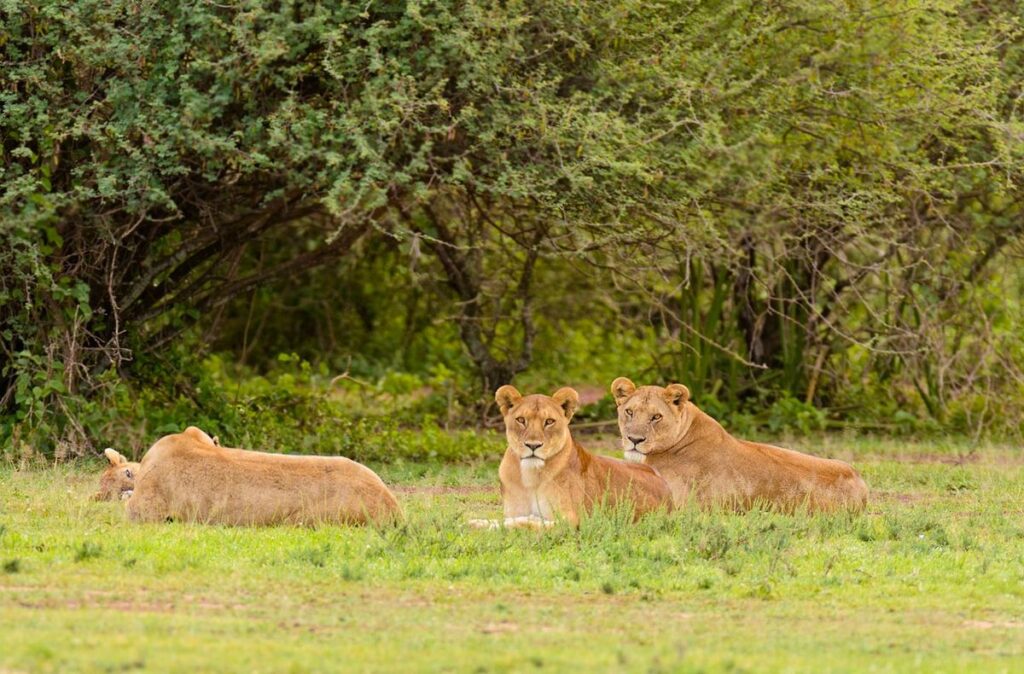
There is a reason the Masai Mara has become the most famous wildlife reserve in Africa. The rolling grasslands stretch to every horizon, dotted with acacia trees that frame the perfect safari photograph. The wildlife density is extraordinary, with lions, leopards, elephants, buffalo, and cheetah all present in healthy numbers. And then there is the Great Migration, the largest overland mammal movement on earth, where 1.5 million wildebeest and 200,000 zebra pour across the Mara River in a spectacle of dust, thunder, and raw survival. For travelers booking wildlife tours in Kenya, the Masai Mara is not just a destination; it is the destination. But the Mara has changed. The days of crowded vehicles circling a single lion sighting are real. The secret, and the difference between a frustrating safari and a transcendent one, lies in where you stay. The private conservancies bordering the national reserve offer the same wildlife, the same river crossings, but with a fraction of the vehicles and the freedom to drive off road and conduct night drives. At Nomara Safaris, we design wildlife tours in Kenya that prioritise these conservancies, because we believe that exclusivity is not a luxury add on but the essential ingredient for a genuine safari. This guide will walk you through everything you need to know about planning wildlife tours in Kenya focused on the Masai Mara, from timing the Migration to selecting the right conservancy, from lodge choices to combining the Mara with other Kenyan destinations.
The Masai Mara National Reserve is the northern extension of the Serengeti ecosystem, and together they form the most studied and celebrated wildlife area on earth. The Mara covers approximately 1,510 square kilometres, smaller than the Serengeti but with higher animal density due to the permanent water sources of the Mara and Talek Rivers. What makes wildlife tours in Kenya centred on the Mara so compelling is the combination of resident game and the seasonal influx of the Migration. Even outside Migration season, the Mara supports large prides of lion, excellent leopard sightings along the riverine forests, healthy populations of elephant and buffalo, and the fastest land animal, the cheetah, hunting on the open plains. The reserve is divided into several sectors. The Musiara Marsh area is famous for its lions. The Oloololo Escarpment offers dramatic viewpoints. The Mara Triangle, managed by a different authority, has lower vehicle densities and excellent crossing points. Understanding these sectors is the first step in designing wildlife tours in Kenya that deliver.
Nomara Safaris guides are intimately familiar with every corner of the Mara. We know which kopjes the leopards frequent, which crossing points the wildebeest prefer, and which sections of the reserve to avoid during peak hours. The key insight for travelers booking wildlife tours in Kenya is that the national reserve can become crowded, particularly in July and August. The solution is not to skip the Mara but to approach it strategically, using the conservancies as your base and venturing into the reserve for specific sightings. This hybrid model delivers the best of both worlds: the exclusivity of a private vehicle and the access to the Mara’s famous river crossings.
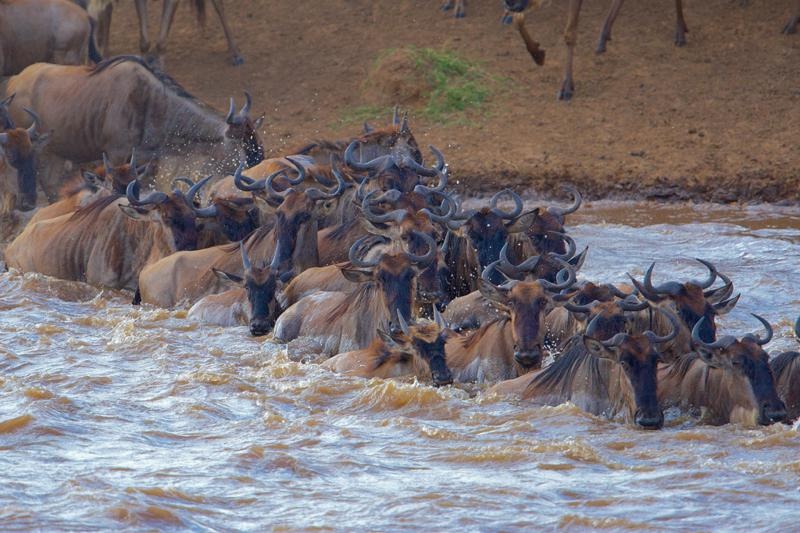
The Great Migration is the headline act for most wildlife tours in Kenya focused on the Masai Mara. The wildebeest and zebra arrive in the Mara from the Serengeti typically between July and October, though the timing varies with rainfall patterns. The key event is the river crossing, where the herds plunge across the Mara River, risking crocodiles, drowning, and the chaos of the stampede. These crossings are not daily events. They are unpredictable, lasting minutes or hours, occurring every few days or sometimes every few weeks. A common mistake is assuming that visiting the Mara in August guarantees a crossing. It does not. What guarantees a crossing is time and positioning. Nomara Safaris recommends a minimum of five nights in the Mara during peak season, staying in a mobile camp that can relocate to follow the herds. We also monitor our guide network in real time, repositioning vehicles when a crossing appears imminent.
The best wildlife tours in Kenya for Migration viewing also combine the Mara with the Serengeti, crossing the border to follow the herds as they move. This requires a multi country itinerary and careful planning of internal flights. But for travelers who want to focus exclusively on the Kenyan side, the Mara Triangle offers the most consistent crossing action. The Triangle has fewer lodges and a vehicle cap, meaning you are less likely to share a crossing with thirty other vehicles. Nomara Safaris has preferred access to several lodges in the Triangle and can position you for the best possible viewing.
The single most important decision when planning wildlife tours in Kenya to the Masai Mara is whether to stay inside the national reserve or in a private conservancy. The conservancies, including Mara North, Olare Motorogi, Naboisho, and Lemek, are areas of land bordering the reserve that are leased from Maasai landowners and operated by safari companies. They offer three critical advantages. First, vehicle density is strictly limited, often to one vehicle per sighting, meaning you will never queue for a lion. Second, off road driving is permitted, allowing your guide to position your vehicle for the perfect photograph rather than staying on designated tracks. Third, night game drives and walking safaris are allowed, activities prohibited in the national reserve.
For these reasons, Nomara Safaris exclusively designs wildlife tours in Kenya using conservancy based accommodation, with occasional day trips into the reserve for specific sightings. The wildlife in the conservancies is identical to the reserve. The lions, leopards, elephants, and cheetah move freely across the unfenced borders. The Migration also crosses into the conservancies, particularly into Mara North. The difference is the experience. In the conservancies, you have the sighting to yourself. Your guide can follow a cheetah hunt off road. You can stay out after dark with a spotlight, searching for leopards and aardvarks. For the discerning traveler, there is no comparison. Conservancy based wildlife tours in Kenya are superior in every measurable way.
The Masai Mara reliably delivers four of the Big Five, with the rhino being the exception. Black rhino are present in the Mara but are rarely seen due to their low numbers and the dense vegetation they prefer. For travelers booking wildlife tours in Kenya specifically to complete the Big Five, we recommend a day trip to Lake Nakuru National Park or Ol Pejeta Conservancy, both of which offer reliable rhino sightings. The other four are abundant. Lion sightings in the Mara are almost guaranteed, with large prides controlling territories across the reserve. The famous Marsh Pride, documented by the BBC series Big Cat Diary, still hunts in the Musiara Marsh area. Leopards are present along the Mara and Talek Rivers, and a skilled guide will find them by following alarm calls from baboons and impalas. Elephants are widespread, though the great tuskers are rarer than in Amboseli. Buffalo are ubiquitous, often found in large herds near water sources.
For wildlife tours in Kenya focused on the Big Five, we design itineraries that spend four to five nights in the Mara, then add two nights at Ol Pejeta Conservancy in Laikipia for guaranteed rhino sightings. Ol Pejeta is home to the last two northern white rhinos on earth, as well as a thriving population of southern white rhino and black rhino. The contrast between the open plains of the Mara and the rolling hills of Laikipia adds diversity to your safari. Nomara Safaris arranges charter flights between the two, eliminating long road transfers.
The open plains of the Masai Mara are ideal for cheetah viewing, making wildlife tours in Kenya particularly rewarding for travelers hoping to see these elegant predators. Cheetah are diurnal, hunting in daylight when the temperatures are moderate. They use termite mounds and low ridges as vantage points, scanning for unsuspecting gazelle or impala. Unlike lions, cheetah are solitary or live in small family groups, and a successful hunt requires a short, explosive chase reaching speeds of 110 kilometres per hour. Watching a cheetah stalk, sprint, and trip its prey is a lifetime highlight. The Mara has several resident cheetah coalitions, and our guides know their territories.
Leopards are more elusive but present throughout the Mara, particularly along the riverine forests. Unlike cheetah, leopards are nocturnal and solitary, spending their days resting in trees or dense thickets. The best time to see a leopard is at dawn or dusk, when they are moving between sleeping and hunting sites. A leopard with a kill stashed in a tree is the most sought after photographic subject in Africa. On wildlife tours in Kenya designed for photographers, we schedule early morning departures and night drives in the conservancies to maximise leopard viewing. Our guides also use radio networks to share sightings without overwhelming the animal with vehicles.
The Masai Mara is not only about mammals. For travelers booking wildlife tours in Kenya with an interest in birds, the Mara delivers over 470 recorded species. The lilac breasted roller, with its spectacular plumage of purple, turquoise, and green, is the unofficial mascot of the Mara and is frequently seen perched on acacia branches. Secretary birds stalk the grasslands on long legs, hunting snakes and small mammals. Martial eagles, the largest eagle in Africa, soar overhead. The seasonal pools attract flocks of crowned cranes, saddle billed storks, and African jacanas. The vulture species, including lappet faced, white backed, and Rüppell’s griffon, are essential to the ecosystem, cleaning up carcasses after predator kills.
A well designed wildlife tour in Kenya will include time for dedicated bird watching, particularly in the morning when birds are most active. Our guides carry bird books and can identify species by sight and call. For dedicated birders, we recommend visiting the Mara in the wet season from November to May, when migratory species from Europe and North Africa are present. The landscape is greener, the lighting is softer, and the birding is exceptional. Nomara Safaris can arrange specialised birding itineraries within the broader framework of wildlife tours in Kenya.
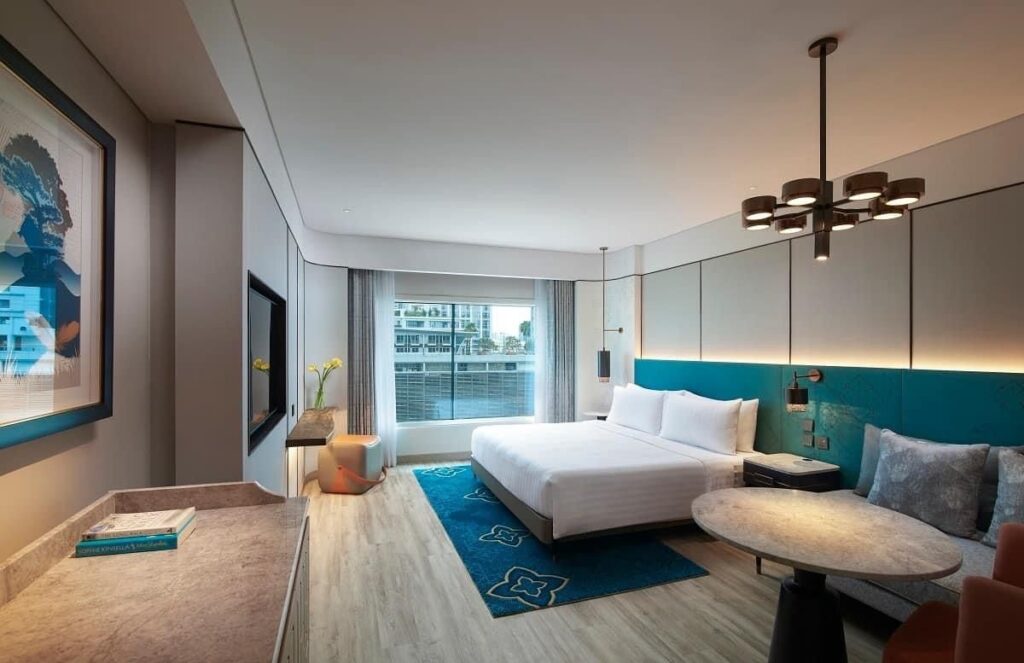
Angama Mara, perched on the Oloololo Escarpment overlooking the Mara Triangle, is the most famous luxury lodge in the Mara. The name means suspended in mid air in Swahili, and the lodge delivers on that promise. Each suite has floor to ceiling glass windows facing the valley, a private veranda, and an outdoor shower. The service is impeccable, the food is exceptional, and the game drives are conducted in open sided vehicles that offer unobstructed photography. For wildlife tours in Kenya that prioritise luxury, Angama is a top choice. The lodge has its own vehicle fleet and guides, and it offers a range of activities including hot air balloon safaris, guided walks, and visits to a nearby Maasai village. Prices range from USD 1,000 to USD 1,500 per person per night.
Angama is located in the Mara Triangle, which means you have access to the same river crossings as the national reserve but with fewer vehicles. However, the lodge is perched on the escarpment, which means a twenty minute drive down to the valley floor each morning and evening. Some travelers prefer lodges located directly on the plains for quicker access to game. Nomara Safaris can advise on the trade offs. For clients booking wildlife tours in Kenya who want the Angama experience, we recommend at least three nights to justify the logistics.
For travelers who want the immersive experience of sleeping in the bush, permanent tented camps in the conservancies are the answer. Mahali Mzuri, Sir Richard Branson’s camp in the Olare Motorogi Conservancy, offers twelve tented suites each with a private veranda overlooking the plains. The camp is small, intimate, and the guiding is exceptional. Rekero Camp, located on a bend of the Talek River within the national reserve, has been operating for over thirty years and offers a classic safari experience with exceptional leopard sightings. Cottar’s 1920s Camp, in the Olderkesi Conservancy, offers a vintage safari aesthetic with modern comforts. These camps range from USD 600 to USD 1,200 per person per night.
The advantage of tented camps over lodges is sensory. You fall asleep to the grunt of hippos from a nearby river and wake to the whoop of hyenas. The canvas walls vibrate when a lion roars at 2:00 AM. For wildlife tours in Kenya designed for travelers who want to feel the bush, not just observe it from a distance, tented camps are the right choice. Nomara Safaris selects camps based on your preferences for location, activity offerings, and level of luxury.
For travelers booking wildlife tours in Kenya specifically to witness the river crossings, mobile tented camps are the ultimate solution. These camps are erected at the start of the season and moved as the herds shift. They are less luxurious than permanent camps, with simpler furnishings, bucket showers, and no swimming pools. But they offer the unmatched advantage of being positioned within a short drive of the crossing points. When the wildebeest mass on the banks of the Mara River, you are already there. When the crossing happens, you are among the first vehicles on site.
Mobile camps are only available during the Migration season, typically from July to October. They are operated by specialist safari companies, and Nomara Safaris has preferred partnerships with the best operators. The experience is not for everyone. The tents are comfortable, but they are not luxury suites. The food is good but not gourmet. The trade off is proximity to the action. For serious wildlife photographers and Migration enthusiasts, mobile camps are the only logical choice for wildlife tours in Kenya. We recommend a minimum of four nights in a mobile camp to maximise your chances of witnessing multiple crossings.
The Masai Mara does not reliably deliver rhino sightings, making a combination with Lake Nakuru or Ol Pejeta a smart addition to wildlife tours in Kenya. Lake Nakuru National Park, located approximately four hours by road from Nairobi, is famous for its flamingos and its rhino population. Both black and white rhino are present and relatively easy to spot on the lake’s shoreline. The park also supports lion, leopard, buffalo, and Rothschild’s giraffe. A night or two at Lake Nakuru adds rhino to your Mara sightings and breaks up the drive from Nairobi to the Mara.
Ol Pejeta Conservancy in Laikipia offers an even more exclusive rhino experience. The conservancy is home to the last two northern white rhinos on earth, as well as a thriving population of southern white rhino and black rhino. Ol Pejeta also offers night game drives, walking safaris, and a chimpanzee sanctuary. The landscape is different from the Mara, with rolling hills and open plains. Nomara Safaris offers combined wildlife tours in Kenya that include the Mara for the Migration, Ol Pejeta for the rhino, and a light aircraft transfer between the two to save time. This combination delivers a complete Kenyan safari experience in ten to twelve days.
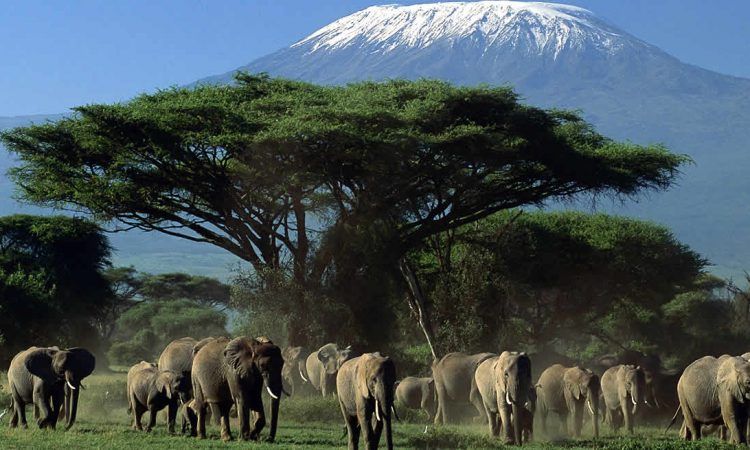
Amboseli National Park, located in southern Kenya near the Tanzanian border, is famous for two things: large herds of elephant and the backdrop of Mount Kilimanjaro. For travelers booking wildlife tours in Kenya who want to photograph elephants against Africa’s highest peak, Amboseli is essential. The park is drier than the Mara, with dusty plains and swampy areas that attract elephant in huge numbers. The elephant families are well studied, and the guides can identify individual animals by their tusks and ear patterns. The park also supports lion, cheetah, hyena, and a variety of plains game.
The combination of the Mara and Amboseli works well because the landscapes are completely different. The Mara is rolling green grassland. Amboseli is dusty and open, with the snow capped peak of Kilimanjaro looming on the horizon. A ten day wildlife tour in Kenya might include four nights in the Mara, two nights in Amboseli, and two nights in Ol Pejeta, all connected by charter flights. Nomara Safaris can arrange this combination, ensuring that the transfer days are efficient and that you spend maximum time in the parks rather than in transit. The key is to book early, as the best lodges in all three destinations fill up months in advance.
Laikipia, in northern Kenya, is the destination for travelers who have already done the Mara and Amboseli and want something more remote. Laikipia is a landscape of rolling hills, riverine forests, and open plains, home to endangered species not found in the Mara. Grevy’s zebra, with their narrow stripes and large ears, are a Laikipia speciality. Reticulated giraffe, with their striking geometric patterns, are also present. The conservancies in Laikipia operate on a low volume, high value model, meaning you will see few other vehicles. Activities include night drives, walking safaris, camel rides, and visits to anti poaching units.
For wildlife tours in Kenya designed for repeat safari goers, we recommend combining the Mara with Laikipia. The Mara delivers the classic migration and big cat action. Laikipia delivers solitude, walking safaris, and species you cannot see elsewhere. The contrast is powerful. Nomara Safaris designs Laikipia itineraries using exclusive conservancies like Lewa or Borana, which offer some of the best guiding in Africa. Access is by light aircraft from the Mara or Nairobi, and we recommend a minimum of three nights to properly experience the landscape.
The best time for wildlife tours in Kenya to the Masai Mara depends on what you want to see. For the Great Migration river crossings, July through October is the peak season. The herds are present, the weather is dry, and the crossings are most frequent. However, this is also the most crowded and expensive time. For calves and predator action, December through February offers excellent resident game viewing without the crowds. The wildebeest calving occurs in the southern Serengeti during these months, but the Mara’s resident herds also give birth, attracting predators. For bird watching, November through May is best, with migratory species present and the landscape green and lush. The wettest months are April and May, when some lodges close for refurbishment.
Nomara Safaris advises clients based on their priorities. If witnessing a river crossing is your number one goal, we recommend September or early October, when the herds are still present but the peak August crowds have thinned. If you want solitude and lower prices, February or March offer excellent game viewing with fewer vehicles. The key insight for wildlife tours in Kenya is that there is no bad time to visit the Mara. Even in the wet season, the rain usually falls in afternoon storms that clear quickly, leaving the mornings and evenings clear for game drives.
The cost of wildlife tours in Kenya to the Masai Mara varies dramatically based on accommodation, season, and group size. A budget camping safari in the public campsites outside the reserve might cost USD 200 to USD 300 per day, but this requires sharing a vehicle and sacrificing the dawn game drive. A mid range lodge safari in the reserve costs USD 400 to USD 700 per day, with shared vehicles and decent accommodation. A luxury conservancy based safari costs USD 800 to USD 1,500 per day, including a private vehicle and guide, high end accommodation, all meals and drinks, and park fees. A premium ultra luxury safari with brands like Angama or Mahali Mzuri costs USD 1,500 to USD 2,500 per day.
These prices exclude internal flights from Nairobi to the Mara, which cost approximately USD 300 to USD 500 per person round trip. They also exclude gorilla permits if you are combining with Uganda or Rwanda, and they exclude park fees which are sometimes included in the lodge rate and sometimes separate. Nomara Safaris provides fully transparent, itemised quotations for every wildlife tour in Kenya. We do not hide fees. We do not add surprise surcharges. The price we quote is the price you pay.
This 7 day wildlife tour in Kenya focuses exclusively on the Masai Mara during Migration season. Day one: arrive at Jomo Kenyatta International Airport in Nairobi, take a scheduled flight to the Mara, and transfer to your conservancy based camp. Day two: full day in the Mara, with morning and afternoon game drives focusing on river crossing points. Day three: full day in the Mara, including a bush breakfast at a crossing point. Day four: morning game drive, afternoon at leisure, night drive to search for leopards. Day five: full day in the Mara, including a visit to a different sector of the reserve. Day six: morning game drive, afternoon flight back to Nairobi. Day seven: depart from Nairobi. This itinerary delivers maximum time in the bush with five full days of game viewing. Cost range for a luxury conservancy based safari is USD 6,000 to USD 9,000 per person.
When is the best time to see the Great Migration river crossings in the Masai Mara?
The best time to see the Great Migration river crossings on wildlife tours in Kenya is typically from July through October, with September and early October offering the best combination of crossing activity and manageable crowds. The wildebeest arrive in the Mara from the Serengeti usually in July, but the first crossings may not occur until August. The crossings are not daily events; they are triggered by rainfall patterns, herd pressure, and the phase of the moon. Some years produce dozens of crossings, other years only a handful. To maximise your chances, book a minimum of five nights in the Mara and stay in a mobile camp that can relocate to follow the herds. Nomara Safaris monitors real time guide reports to position you at the most active crossing points. Even without a crossing, the sight of 1.5 million wildebeest spread across the plains is unforgettable.
Are private conservancies worth the extra cost for wildlife tours in Kenya?
Yes, private conservancies are absolutely worth the extra cost for wildlife tours in Kenya. The premium you pay, typically 30 to 50 percent more than staying in the national reserve, buys three critical advantages. First, vehicle density is strictly limited, often to one vehicle per sighting, meaning you will never share a lion with twenty other vehicles. Second, off road driving is permitted, allowing your guide to position your vehicle for the perfect photograph rather than staying on designated tracks. Third, night game drives and walking safaris are allowed, activities prohibited in the national reserve. The wildlife is identical, as animals move freely across the unfenced borders. The difference is the experience. In the conservancies, you have the sighting to yourself. Nomara Safaris exclusively designs wildlife tours in Kenya using conservancy based accommodation.
Can I combine the Masai Mara with gorilla trekking in Uganda or Rwanda?
Yes, combining the Masai Mara with gorilla trekking is possible on extended wildlife tours in Kenya. The most common combination is the Mara plus Uganda, using a flight from Nairobi to Entebbe, then a domestic flight to Kihihi or Kisoro near Bwindi. A typical itinerary might include four nights in the Mara followed by six nights in Uganda for chimpanzee tracking and gorilla trekking. The Rwanda combination is also possible, with a flight from Nairobi to Kigali. Be aware that this is a complex trip requiring careful coordination of flights, permits, and cross border logistics. Nomara Safaris specialises in multi country wildlife tours in Kenya and handles all arrangements including permits, flights, and visas. We recommend a minimum of fourteen days for a combined Mara and gorilla itinerary.
What should I pack for a Masai Mara safari?
Packing for wildlife tours in Kenya to the Masai Mara requires preparation for both warm days and cool mornings. For game drives, bring neutral coloured clothing in khaki, olive, or beige. Avoid white, bright colours, and camouflage, which is restricted to military use. Mornings on the open plains can be cold, especially from June to August, so pack a fleece jacket and a windproof layer. The afternoons are warm, so bring shorts and t shirts. Closed toed shoes are essential for walking safaris and lodge pathways. A wide brimmed hat, sunglasses, and high SPF sunscreen are critical, as the equatorial sun is intense. For photography, bring a camera with a zoom lens of at least 300mm, extra batteries, and plenty of memory cards. Binoculars are essential. Nomara Safaris provides a detailed packing list for every client booking wildlife tours in Kenya.
The Masai Mara represents the classic African safari fantasy. The rolling grasslands, the acacia trees, the lions calling at dawn. But the fantasy becomes reality only when the logistics are invisible. When your guide knows exactly where to find the leopard that has been hiding for three days. When your vehicle is positioned perfectly for the crossing. When you return to your camp after a long day to a hot shower, a cold drink, and a view of the stars. At Nomara Safaris, we have designed wildlife tours in Kenya for over a decade. We know the Mara intimately. We know which guides have the best track records, which camps have the best river frontage, and which conservancies offer the most exclusive experience. Contact Nomara Safaris to begin planning your wildlife tour in Kenya to the Masai Mara. Tell us your dream, your dates, and your budget. We will respond with a proposed itinerary within 48 hours. No obligation. Just the beginning of a conversation about the most famous wildlife reserve in Africa.