
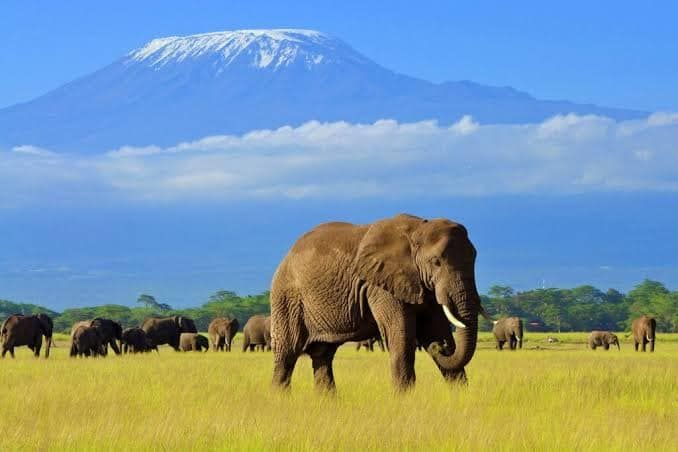
There is a reason Tanzania appears on more safari bucket lists than any other African nation. The Serengeti alone, stretching across 15,000 square kilometres of rolling grassland, hosts the Great Migration, the largest overland mammal movement on earth. The Ngorongoro Crater, a volcanic caldera 600 metres deep, contains the densest population of large mammals anywhere in Africa, including the endangered black rhino. Mount Kilimanjaro, the highest peak on the continent, watches over the northern plains. And beyond the mainland, Zanzibar offers turquoise waters and white sand beaches for post safari decompression. For travelers booking wildlife tours in Tanzania, the challenge is not finding wildlife but choosing which experiences to include in a single trip. The country is vast, the parks are spectacular, and the distances between them require careful planning. At Nomara Safaris, we design wildlife tours in Tanzania that balance the iconic highlights, the Serengeti, the Crater, and Tarangire, with the exclusive experiences that set a luxury safari apart: private conservancies, fly in itineraries, and mobile camps that follow the Migration. This guide will walk you through everything you need to know about planning wildlife tours in Tanzania, from the best time for river crossings to the trade offs between the Serengeti and the Masai Mara.
Tanzania is the heavyweight champion of wildlife tours in Africa, and for good reason. The country dedicates more than 25 percent of its land area to national parks and protected areas, creating a network of habitats that supports the full spectrum of East African wildlife. The northern circuit, including the Serengeti, Ngorongoro Crater, Lake Manyara, and Tarangire, is the most famous safari destination on the continent. But Tanzania also offers the southern circuit, including Ruaha and Selous, which are remote, exclusive, and ideal for walking safaris. The western circuit, including Mahale and Gombe, offers chimpanzee tracking on the shores of Lake Tanganyika. For travelers booking wildlife tours in Tanzania, the northern circuit is the logical starting point for first time visitors, delivering the highest density of animals and the most developed tourism infrastructure.
Nomara Safaris focuses on the northern circuit for most wildlife tours in Tanzania, but we also design itineraries for repeat travelers who want to explore the remoter parks. Ruaha National Park, for example, supports 10 percent of Africa’s remaining lion population, and you will often have sightings entirely to yourself. The trade off is accessibility; reaching Ruaha requires a charter flight from Dar es Salaam. The key insight for wildlife tours in Tanzania is that you cannot see everything in one trip. The country is simply too large. A well designed safari focuses on three or four parks in ten to fourteen days, using light aircraft to eliminate long road transfers.
The Serengeti and Ngorongoro Crater are often discussed together, but they offer completely different experiences on wildlife tours in Tanzania. The Serengeti is vast, open, and unpredictable. You drive for hours across the plains, scanning the horizon for movement. The wildlife is spread out, and the thrill comes from the search. The Crater is contained, efficient, and almost guaranteed. You descend the steep road at dawn, and within minutes you are surrounded by animals. Lions rest on the grass. Elephants cross the track. Hippos crowd the pools. Black rhino graze on the distant slopes. Both are essential, but for different reasons.
The Crater delivers high density game viewing in a compressed time frame. A single morning on the crater floor can yield the Big Five before lunch. The Serengeti delivers the drama of the Migration, the thrill of a leopard in a tree, the patience required to witness a lion hunt. For wildlife tours in Tanzania of seven days or less, we recommend two nights on the crater rim and three nights in the Serengeti. For longer itineraries, we add Tarangire for elephants and baobabs, or Lake Manyara for flamingos and tree climbing lions. The key is to sequence the parks logically, using Arusha as your hub and flying between the Serengeti and the Crater to save driving time.
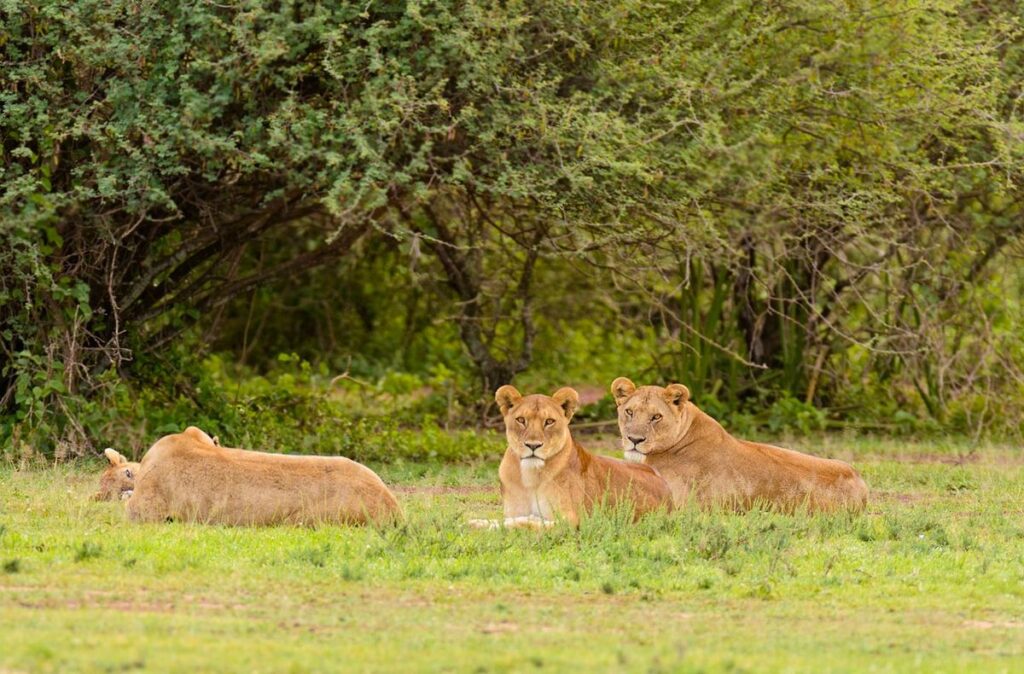
Northern Tanzania dominates wildlife tours in Africa rankings for three reasons. First, the concentration of wildlife is unmatched. The Serengeti ecosystem supports over 4,000 lions, 1,000 leopards, and 500 cheetahs. The Ngorongoro Crater contains 25,000 large mammals within its 260 square kilometre floor. Tarangire National Park hosts the largest elephant herds in East Africa during the dry season. Second, the infrastructure is excellent. A network of airstrips enables fly in safaris that bypass long road transfers. Luxury lodges and tented camps in the Serengeti and Ngorongoro rival anything in Kenya or South Africa. Third, the peak season weather is reliable, with dry conditions from June to October that concentrate animals around permanent water sources.
For travelers booking wildlife tours in Tanzania, this combination of wildlife density, infrastructure, and reliable weather means that a well planned safari almost guarantees exceptional sightings. You are not gambling on luck; you are investing in probability. Nomara Safaris leverages decades of on the ground data to position you in the right park at the right time of year. We know that the Serengeti’s southern plains offer cheetah hunts during calving season from January to March. We know that the western corridor delivers Grumeti river crossings in May and June. We know that the northern Serengeti and the Mara River crossings peak from July to October. This is the advantage of booking wildlife tours in Tanzania with a specialist operator.
The Great Migration is not a single event but a continuous loop of movement, with the wildebeest and zebra rotating through the Serengeti ecosystem in response to rainfall and grass quality. For travelers booking wildlife tours in Tanzania, understanding this cycle is essential for timing your visit. From December through March, the herds are on the short grass plains of the southern Serengeti and the Ngorongoro Conservation Area. This is calving season, when half a million calves are born within a three week window. The predator action during this period is relentless, with cheetahs, lions, and hyenas hunting daily.
From April through June, the herds move west and north, strung out across the central Serengeti and the western corridor. The Grumeti River crossings occur in May and June, with enormous Nile crocodiles waiting for the hesitant. From July through October, the herds mass in the northern Serengeti and cross the Mara River into Kenya’s Masai Mara. This is the most famous window, with the most dramatic crossings. The herds then move back south through the eastern Serengeti from November to December, completing the loop. Nomara Safaris designs wildlife tours in Tanzania that align with your preferred season, positioning you in the right sector of the Serengeti for the action you want to see.
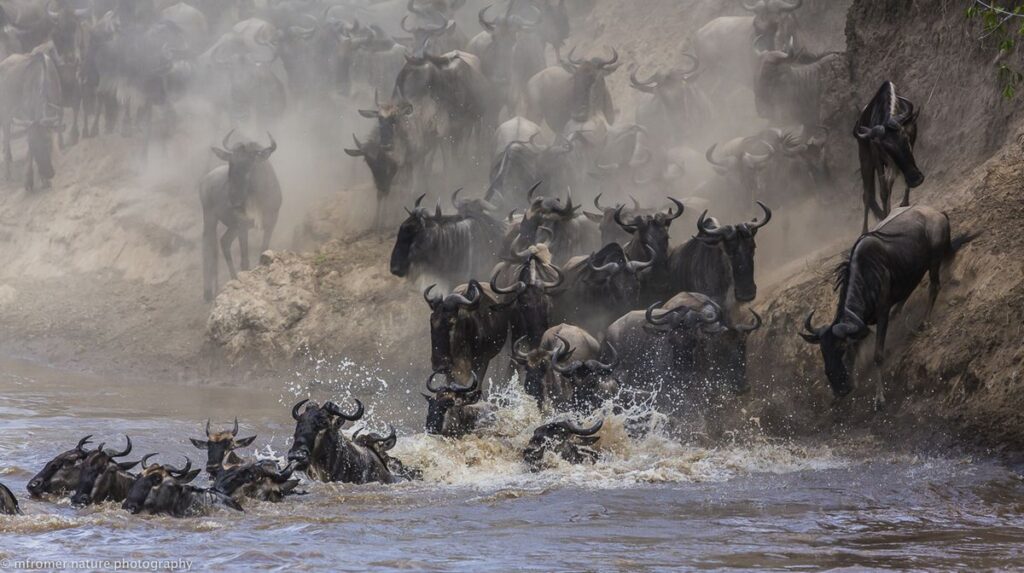
The Mara River crossings are the most sought after experience on wildlife tours in Tanzania, but they require strategy. The crossings are not daily events. They are unpredictable, triggered by rainfall patterns, herd pressure, and the phase of the moon. A week in the northern Serengeti during August might produce five crossings or zero. To maximise your chances, Nomara Safaris recommends a minimum of five nights in the northern Serengeti, staying in a mobile camp that can relocate to follow the herds. We also monitor our guide network in real time, repositioning vehicles when a crossing appears imminent.
The best wildlife tours in Tanzania for Migration viewing also combine the Serengeti with the Masai Mara, crossing the border to follow the herds. This requires a multi country itinerary and careful planning of internal flights. For travelers who want to focus exclusively on the Tanzanian side, the Mara River in the northern Serengeti offers the same crossing spectacle as the Kenyan side, often with fewer vehicles. The key is patience. Bring a book. Bring binoculars. Wait. The herds will gather on the banks, milling and hesitant. A false start sends them running back. Then, suddenly, a single wildebeest plunges in, and the flood follows. The water churns with bodies. Crocodiles target the young and the weak. The far bank becomes a scramble of panicked hooves. This is the moment you came for.
For travelers booking wildlife tours in Tanzania who want dramatic predator action without the river crossing lottery, calving season in the southern Serengeti from January to March offers an equally compelling experience. Half a million wildebeest calves are born within a three week window, and the predators know it. Cheetahs, lions, and hyenas hunt daily, and the success rate is high because the newborn calves are vulnerable. The open nature of the southern plains means you can see chases unfold across the landscape, with cheetah accelerating to 110 kilometres per hour.
The southern Serengeti is less crowded than the northern sector during peak season, and the prices are lower. The landscape is open, dotted with rocky kopjes, and the light is spectacular. Calving season also coincides with green season rates, meaning you get discounted lodge prices and fewer vehicles. For repeat safari goers or travelers on a budget, calving season wildlife tours in Tanzania offer exceptional value. The one drawback is the risk of rain, though it usually falls in afternoon storms that clear quickly. Nomara Safaris recommends February as the optimal month for calving season, balancing calf density, predator activity, and weather.
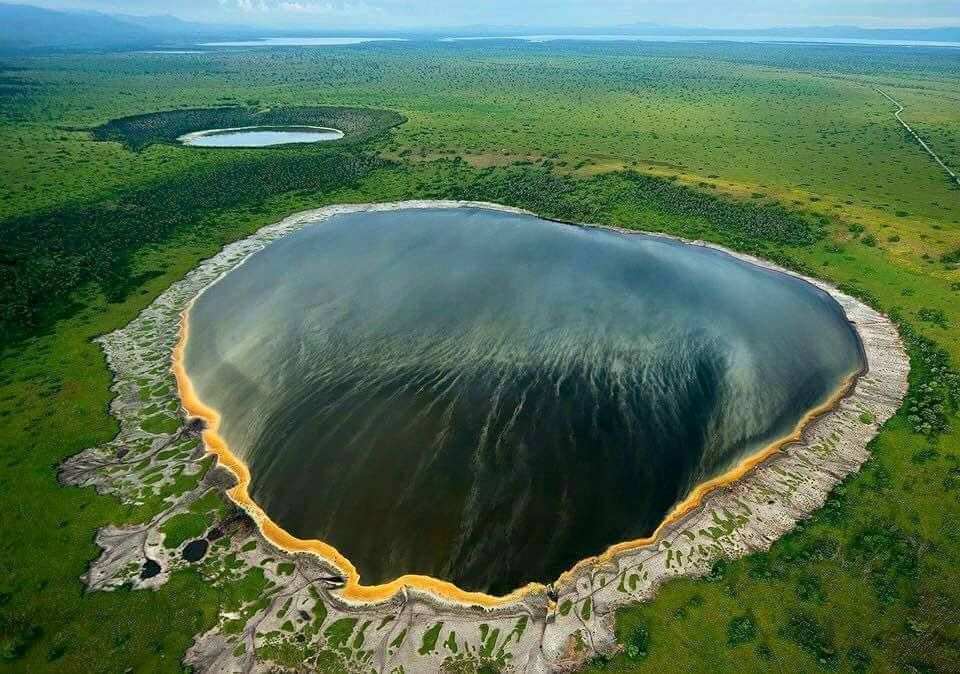
The Ngorongoro Crater is a World Heritage Site and the single most reliable destination for Big Five sightings on wildlife tours in Tanzania. The crater formed when a massive volcano erupted and collapsed inward two to three million years ago, creating a natural enclosure of 600 metre high walls. The crater floor supports grasslands, swamps, lakes, and forests, providing habitats for approximately 25,000 large mammals. The black rhino population, while vulnerable, is consistently visible on the open plains. Lions are everywhere, including several prides with large, dark maned males. Elephants are present, though the bulls carry smaller tusks than their Amboseli relatives. Buffalo herds number in the hundreds. Leopards are present but elusive; your best chance is at dawn or dusk along the forested crater rim.
A typical wildlife tour in Tanzania includes a full day on the crater floor, descending at dawn and ascending at dusk. The drive down the steep road is an adventure in itself, with the mist clearing to reveal the expanse below. The game viewing is almost guaranteed, but the crater has drawbacks. The vehicle density can be high, particularly in the peak dry season. The crater floor can feel like a traffic jam at popular sightings. Nomara Safaris mitigates this by staying at lodges on the crater rim, which gives you priority access and allows you to descend before the vehicles from outside the park arrive. We also combine the crater with the Serengeti, ensuring that you experience both the density of the crater and the wilderness of the plains.
Tarangire National Park is often overlooked on wildlife tours in Tanzania in favour of the Serengeti and Ngorongoro, but it offers one of the most distinctive landscapes in East Africa. Ancient baobab trees, some over 1,000 years old, dot the landscape, their massive trunks storing water through the dry season. The Tarangire River is a permanent water source, attracting elephant herds of up to 300 individuals during the dry season from June to October. You will see elephants everywhere: crossing the track, tearing down branches, bathing in the river. The park also supports lion, leopard, and the unusual fringe eared oryx.
For wildlife tours in Tanzania of ten days or more, we recommend adding two nights in Tarangire. The park is located conveniently between Arusha and Ngorongoro, making it an easy addition to a northern circuit itinerary. The lodges in Tarangire, including Treetops and Little Oliver’s Camp, offer excellent quality and exceptional elephant viewing from the dining terraces. The walking safaris in the private concessions bordering the park are among the best in Tanzania, offering an opportunity to learn about the smaller wonders of the bush. The only drawback is that Tarangire is seasonal; during the wet season from November to May, the elephants disperse and the game viewing is less reliable.
Lake Manyara National Park, squeezed between the Rift Valley escarpment and the alkaline lake of the same name, is a compact park offering sights you will not find elsewhere on wildlife tours in Tanzania. The park is famous for its tree climbing lions, though sightings are never guaranteed. More reliably, Lake Manyara supports thousands of flamingos when the water levels are right, along with large herds of buffalo, zebra, and wildebeest. The ground hornbill and the crested eagle are among the notable bird species. The underground water forest, fed by springs from the escarpment, provides habitat for blue monkeys and olive baboons.
For most wildlife tours in Tanzania, Lake Manyara functions as a day trip from Arusha or as a stopover on the way to Ngorongoro. A half day game drive is sufficient to appreciate the park’s diversity. The park does not require multiple nights. The main drawback is that the lions have become more secretive in recent years, and the tree climbing behaviour is less reliable than it once was. Nomara Safaris includes Lake Manyara only when the itinerary requires a short activity day to break up the driving. For travelers primarily interested in the Serengeti and Ngorongoro, we do not consider Lake Manyara essential.
Many wildlife tours in Tanzania conclude with a beach extension to Zanzibar, and for good reason. The contrast between the dust of the savannah and the turquoise of the Indian Ocean is psychologically restorative. Stone Town, the historic heart of Zanzibar City, is a UNESCO World Heritage Site of winding alleys, coral stone buildings, and carved wooden doors. A guided walking tour reveals the layers of history: the Sultan’s palace, the slave market site, the House of Wonders, and the bustling night market at Forodhani Gardens. A spice tour takes you into the plantations where cloves, nutmeg, cinnamon, and vanilla grow, explaining how Zanzibar became known as the Spice Island.
For wildlife tours in Tanzania that include Zanzibar, we recommend two nights in Stone Town to absorb the culture and history. The hotels in Stone Town, including the Park Hyatt and the Emerson Spice, are restored historic buildings with rooftop restaurants overlooking the ocean. After Stone Town, we transfer you to a beach resort on the northern or eastern coast. The best wildlife tours in Tanzania beach extensions include a mix of culture and relaxation.
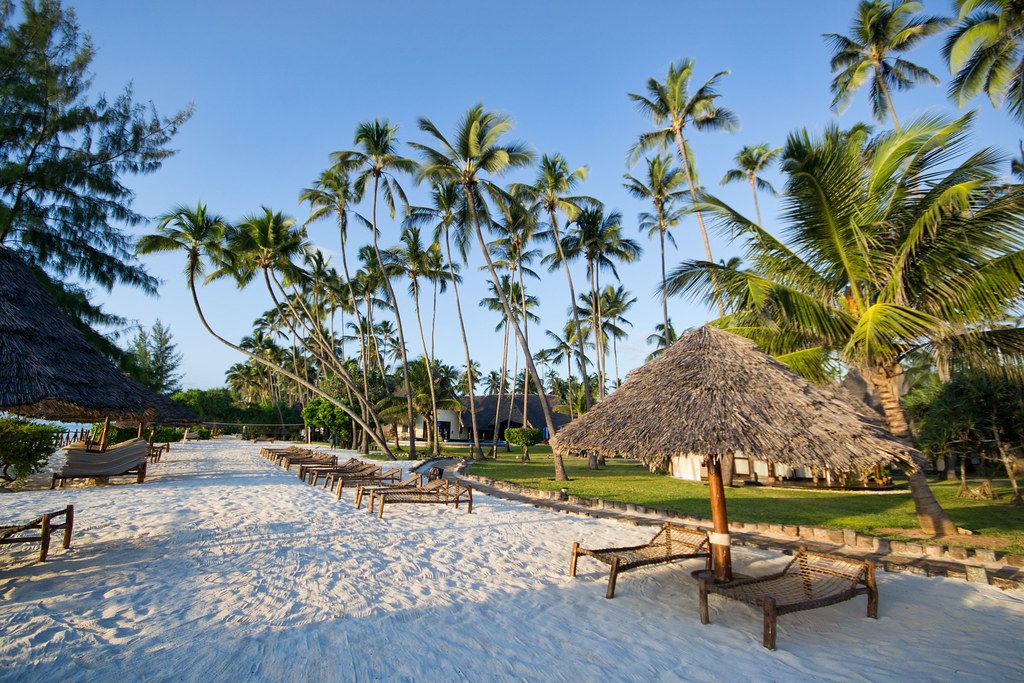
The beach resorts on Zanzibar’s northern and eastern coasts offer white sand, turquoise water, and a range of accommodation from mid range bungalows to ultra luxury villas. Nungwi and Kendwa, on the northern tip, offer the most dramatic sunsets, with dhows sailing past the horizon. The water is calm and swimmable year round. Paje, on the east coast, offers world class kitesurfing when the trade winds blow from June to October. The beaches are wider, the water is shallower, and the vibe is more laid back.
For wildlife tours in Tanzania that prioritise luxury, we recommend the northern resorts: Zuri Zanzibar, Essque Zalu, or the Kilindi Zanzibar. For travelers on a mid range budget, the Kendwa Rocks and the Riu Palace offer excellent value. The key decision is your preferred activity level. If you want to do nothing but read, swim, and eat, choose the north. If you want to kite surf or dive the Mnemba Atoll, choose the east. Nomara Safaris can arrange any combination.
The waters around Zanzibar offer some of the best diving and snorkelling in East Africa, making them a popular addition to wildlife tours in Tanzania. The Mnemba Atoll, a marine conservation area off the north east coast, supports healthy coral reefs with turtles, reef sharks, and a rainbow of tropical fish. A half day snorkelling trip typically includes a dhow cruise, where the traditional wooden sailing boats ply the coast. The sunset dhow cruise is a Zanzibar ritual, with the sails silhouetted against the orange sky and the call to prayer echoing from the shore.
For wildlife tours in Tanzania that include a beach extension, we recommend at least three nights on the coast to allow time for both water activities and pure relaxation. Diving requires certification, while snorkelling is accessible to all. The best months for diving are the dry season from June to October, when visibility exceeds 25 metres. Nomara Safaris can arrange diving excursions through our preferred operators, ensuring high safety standards and quality equipment.
The best time for wildlife tours in Tanzania depends on your priorities. For the dry season and peak Migration river crossings from July to October, you get the most reliable weather and the most dramatic action, but you also get the highest prices and the largest crowds. For calving season and predator action from January to March, you get lower prices, fewer crowds, and exceptional cheetah and lion hunting, but you risk afternoon rain. For bird watching and green season landscapes from November to May, you get the lowest prices and the most solitude, but the vegetation is thicker and some animals are harder to spot.
Nomara Safaris advises clients based on their specific goals. If witnessing a Mara River crossing is your number one priority, we recommend September or early October. If you want the best predator action and are willing to accept some rain, we recommend February. If you want the lowest prices and the least crowds, we recommend November. The key insight for wildlife tours in Tanzania is that there is no bad time to visit, only different times for different priorities.
The cost of wildlife tours in Tanzania varies dramatically based on accommodation, season, and group size. A budget camping safari on the public campsites might cost USD 200 to USD 300 per day, but this requires sharing a vehicle with up to eight strangers and sacrificing the dawn game drive. A mid range lodge safari costs USD 350 to USD 600 per day, with shared vehicles and good accommodation. A luxury private safari costs USD 800 to USD 1,500 per day, including a private vehicle and guide, high end lodges, all meals and drinks, and park fees. A premium ultra luxury safari costs USD 1,500 to USD 2,500 per day.
These prices exclude internal flights, which for the Serengeti and Zanzibar add approximately USD 500 to USD 800 per person. They also exclude park fees, which in Tanzania are significant. The Ngorongoro Crater fees alone are USD 80 per person per day. Nomara Safaris provides fully transparent, itemised quotations for every wildlife tour in Tanzania.
This 10 day wildlife tour in Tanzania covers the northern circuit highlights. Day one: arrive Kilimanjaro, transfer to Arusha. Day two: drive to Tarangire for afternoon game drive. Day three: morning game drive in Tarangire, then drive to Ngorongoro rim. Day four: full day on Ngorongoro Crater floor. Day five: drive to central Serengeti, afternoon game drive. Day six: full day in central Serengeti. Day seven: drive to northern Serengeti, afternoon game drive. Day eight: full day in northern Serengeti, searching for river crossings. Day nine: morning game drive, fly to Kilimanjaro. Day ten: depart.
The best lodges on wildlife tours in Tanzania include those on the Ngorongoro Crater rim. andBeyond Ngorongoro Crater Lodge is the most famous, with banana leaf ceilings, chandeliers, and unmatched views of the crater floor. Each suite has a fireplace, a private veranda, and a butler. The service is exceptional, and the location is unbeatable. The Crater Lodge is positioned directly on the rim, meaning you descend to the crater floor before any vehicles from outside the park arrive. Prices range from USD 1,500 to USD 2,500 per person per night.
Nomara Safaris recommends the Crater Lodge for wildlife tours in Tanzania with a premium budget.
For wildlife tours in Tanzania focused on the Migration, mobile camps are the best choice. Nomara Safaris recommends mobile camps for travelers whose priority is the river crossings.
The best time to see the Great Migration river crossings on wildlife tours in Tanzania is from July through October, with September and early October offering the best combination of crossing activity and manageable crowds. The wildebeest cross the Mara River in the northern Serengeti during these months, facing crocodiles and the risk of drowning. However, crossings are not daily events; they are unpredictable and triggered by rainfall and herd pressure. To maximise your chances, book a minimum of five nights in the northern Serengeti and stay in a mobile camp that can relocate to follow the herds. Nomara Safaris monitors real time guide reports and positions you at the most active crossing points. Even without a crossing, the sight of the herds massed on the banks is unforgettable.
Yes, the Ngorongoro Crater is absolutely worth visiting alongside the Serengeti on wildlife tours in Tanzania. The two destinations offer completely different experiences. The Serengeti is vast, open, and unpredictable, with the drama of the Migration and the thrill of the search. The Crater is contained, efficient, and almost guaranteed, with the highest density of large mammals in Africa. A single morning on the crater floor can deliver the Big Five before lunch, including the endangered black rhino. The Crater also offers a unique landscape, with the 600 metre high walls enclosing a self contained world of grasslands, swamps, and forests. For first time visitors, the combination of the Serengeti and Ngorongoro delivers the complete Tanzanian safari experience.
Yes, combining Tanzania with Zanzibar is one of the most popular wildlife tours in Tanzania itineraries. After your safari in the Serengeti and Ngorongoro, you fly from Arusha or directly from the Serengeti to Zanzibar’s Stone Town. Spend two nights in Stone Town exploring the historic alleyways, spice plantations, and markets, then transfer to a beach resort on the northern or eastern coast for three to four nights of relaxation. Zanzibar offers white sand beaches, turquoise water, diving, snorkelling, and traditional dhow cruises. The contrast between the dust of the savannah and the turquoise of the ocean is restorative. Nomara Safaris handles all logistics including flights between the mainland and Zanzibar, ensuring a seamless transition.
How does Tanzania compare to Kenya for wildlife tours?
Tanzania and Kenya both offer exceptional wildlife tours in Africa, but they have different strengths. Tanzania’s Serengeti is larger, wilder, and more remote than Kenya’s Masai Mara, offering a sense of unbounded space. The Ngorongoro Crater is a unique attraction that Kenya cannot match. Tanzania also offers the Zanzibar beach extension, which Kenya does not. Kenya offers the private conservancies of the Masai Mara, which provide excellent exclusivity, and the infrastructure is more developed with shorter transfer times. The choice between the two often comes down to whether you prioritise wilderness and scale, favouring Tanzania, or accessibility and conservancy models, favouring Kenya. Nomara Safaris offers both and can advise based on your priorities.
Tanzania is the heavyweight champion of African safaris for a reason. The scale is immense, the wildlife is abundant, and the landscapes are iconic. But the scale also presents challenges. You cannot see everything. You need to choose. At Nomara Safaris, we help you make those choices based on your priorities, your fitness level, your budget, and your travel style. We know which months deliver river crossings and which deliver calving season action. We know which lodges on the crater rim offer the best sunrise views and which mobile camps have the most experienced guides. Contact Nomara Safaris to begin planning your wildlife tour in Tanzania. Tell us your dream. We will respond with a proposed itinerary within 48 hours. No obligation. Just the beginning of a conversation about the greatest wildlife destination on earth.