
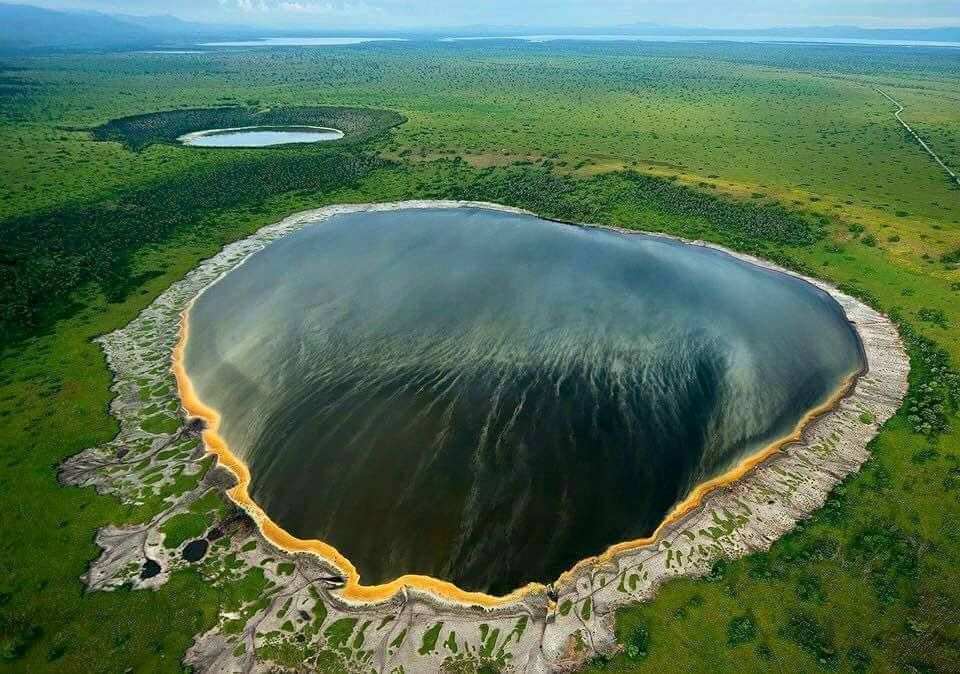
The Ngorongoro Crater is one of the most extraordinary wildlife destinations on earth. A volcanic caldera 600 metres deep and 260 square kilometres wide, it contains the densest concentration of large mammals in Africa. The crater floor supports approximately 25,000 animals, including lion, leopard, elephant, buffalo, and the endangered black rhino. You can often see the Big Five in a single morning descent. The crater is a UNESCO World Heritage Site and a bucket list destination for any safari traveller. This Ngorongoro Crater guide covers everything you need to know for an unforgettable visit. You will learn about the best time to visit, the top lodges on the crater rim, the wildlife you can expect to see, the crater floor experience, how to get there, and practical tips for planning your safari. Whether you are combining Ngorongoro with the Serengeti or visiting as a standalone destination, this Ngorongoro Crater guide will help you plan the perfect adventure.
The Ngorongoro Crater is the world’s largest intact volcanic caldera. It formed two to three million years ago when a massive volcano exploded and collapsed inward. The crater walls rise 600 metres from the floor, creating a natural enclosure that has become a wildlife haven. The crater floor covers 260 square kilometres and includes grasslands, swamps, lakes, and forests. The diversity of habitats supports an extraordinary range of wildlife. The crater is part of the larger Ngorongoro Conservation Area, which also includes the Olduvai Gorge, the Ngorongoro highlands, and the Ndutu region.
The Ngorongoro Crater is one of the best places in Africa to see the Big Five in a single day. Lion, leopard, elephant, buffalo, and black rhino are all present. The black rhino population is vulnerable but consistently visible on the open plains. The crater also supports large herds of zebra, wildebeest, and gazelle. The birding is exceptional, with flamingos on Lake Magadi and ostriches on the grasslands. This Ngorongoro Crater guide will help you navigate this remarkable destination.
The best time to visit Ngorongoro Crater is during the dry season from June to October. The roads are dry, wildlife viewing is excellent, and animals congregate around water sources. The crater floor is dusty but productive. June and July are cooler months, with clear skies and excellent visibility. August and September are peak season, with higher prices and more visitors. October is still dry, with the short rains starting at the end of the month. The dry season is also the best time for black rhino sightings, as the vegetation is thinner.
The wet seasons from November to May have advantages. The landscape is lush and green. The birding is exceptional, with migratory species present. The crowds are smaller. Some lodges offer lower rates. February is the peak of the wildebeest calving season in the adjacent Ndutu region, making it an excellent time for predator action. The drawback is that the crater rim roads can be slippery, and there may be morning fog that delays your descent. This Ngorongoro Crater guide recommends the dry season for first time visitors and the green season for birders and budget travellers.
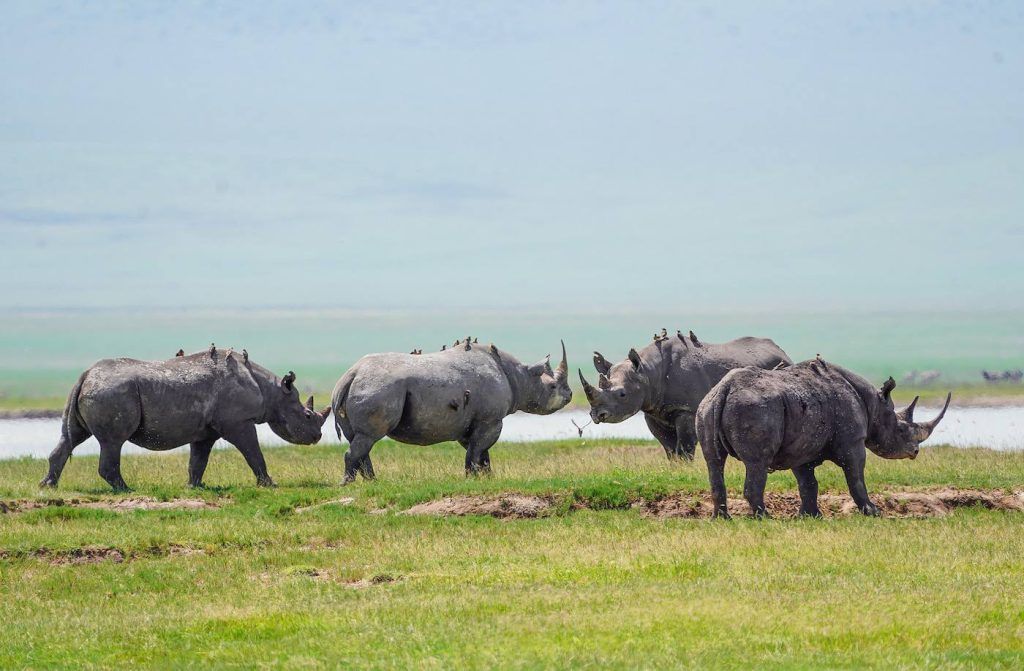
The Ngorongoro Crater is famous for its dense wildlife population. The black rhino is the star attraction. The crater is one of the best places in Africa to see the endangered black rhino. They graze on the open plains and are often seen in the morning. Lions are abundant, with several prides living on the crater floor. The male lions of Ngorongoro are known for their large size and dark manes. Leopards are present but elusive, often found in the forested areas along the crater rim. Elephants are present but less numerous than in Tarangire or Amboseli. They are often seen in the swamps and forests. Cape buffalo are ubiquitous, with large herds grazing on the grasslands.
The crater also supports large herds of zebra, wildebeest, and Thomson’s and Grant’s gazelle. Hippos are abundant in the crater’s lakes and swamps. Spotted hyenas are common and often seen at dawn and dusk. Cheetahs are present but less common than in the Serengeti. The birding is exceptional, with flamingos on Lake Magadi, ostriches on the grasslands, and crowned cranes in the swamps. This Ngorongoro Crater guide recommends spending at least one full day on the crater floor to appreciate the full diversity of wildlife.
The Ngorongoro Crater experience begins before dawn. You wake early at your rim lodge, have a quick breakfast, and drive to the crater gate. The gate opens at 6:00 AM. The descent is an adventure in itself. The road winds down the steep crater walls, with the mist clearing to reveal the floor below. You are on the crater floor by 6:30 AM, just as the sun rises. The morning light is golden, and the animals are active. The first hour is the most productive, with predators returning from their night hunts and the black rhino grazing on the open plains.
You spend the full day on the crater floor, stopping for a picnic lunch at a designated site near the hippo pool. The hippo pool is a highlight, with dozens of hippos wallowing in the water. You can hear their grunts and snorts from the picnic area. In the afternoon, you continue your game drive, exploring different areas of the crater. The lake, the swamps, the forests, and the open plains each offer different wildlife. You ascend back to the crater rim in the late afternoon, just before the gate closes at 6:00 PM. This Ngorongoro Crater guide recommends a full day descent for the best experience.
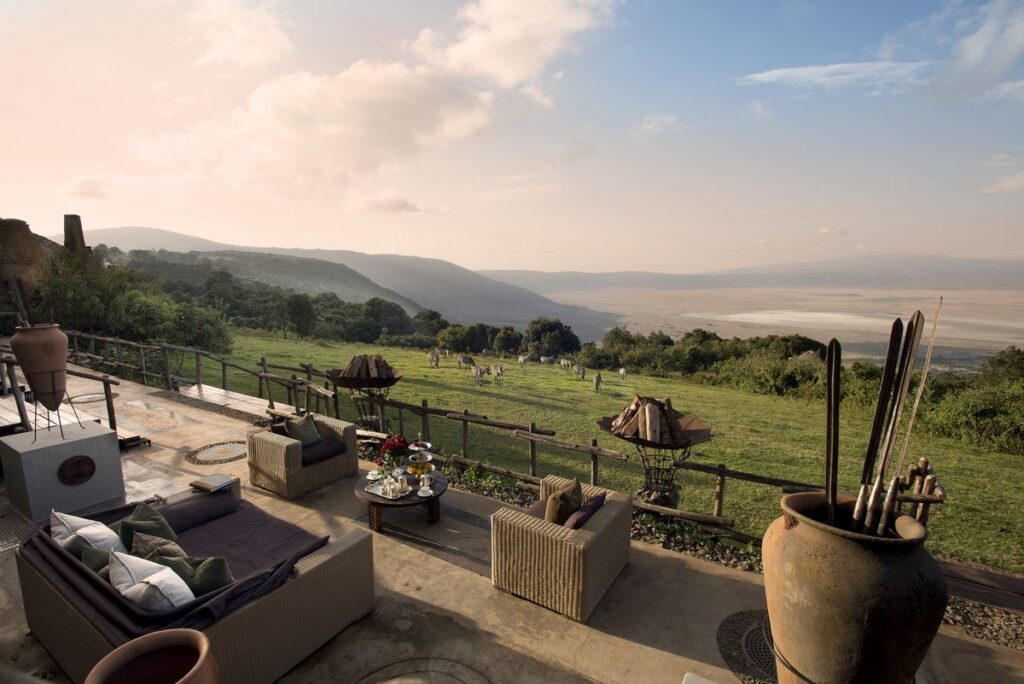
Staying on the crater rim gives you priority access for the morning descent. andBeyond Ngorongoro Crater Lodge is the most famous and luxurious property on the rim. The lodge has suites with banana leaf ceilings, chandeliers, and butler service. The views of the crater are spectacular. Lemala Ngorongoro Camp is a luxury tented camp on the eastern rim, offering an intimate experience and close access to the gate. The camp has nine tented suites and a friendly atmosphere. Ngorongoro Serena Safari Lodge is a mid range property built from local stone, blending into the landscape. The lodge has a swimming pool and excellent views.
For budget conscious travellers, Rhino Lodge offers comfortable rooms on the rim at reasonable prices. The lodge is simple but functional, with a fireplace and good food. Ngorongoro Wildlife Lodge is another mid range option with spectacular views. For the ultimate luxury, choose andBeyond. For a tented experience, choose Lemala. For value, choose Rhino Lodge. This Ngorongoro Crater guide recommends booking well in advance, especially for rim lodges during the dry season. Book six to nine months ahead for July to October travel.
Most visitors to the Ngorongoro Crater travel from Arusha. The drive takes approximately three to four hours, covering 180 kilometres. The road is paved for most of the journey, with the final section on a dirt road. You pass through the town of Karatu, the last stop for supplies before the crater. The entrance gate is at Loduare, where you pay your park fees. From the gate, you drive another thirty minutes to the crater rim. The drive is scenic, passing through the Ngorongoro highlands with views of the surrounding hills.
You can also fly to the Ngorongoro Crater. There are airstrips at Lake Manyara and Lake Ndutu, with flights from Arusha and the Serengeti. From the airstrip, your driver guide will transfer you to your rim lodge. Flying is more expensive but saves time. Most travellers combine Ngorongoro with the Serengeti, visiting the crater on the way to or from the Serengeti. This Ngorongoro Crater guide recommends staying on the rim for at least one night to allow a full day descent.
Many travellers ask how the Ngorongoro Crater compares to the Serengeti. This Ngorongoro Crater guide explains the differences. The crater is a contained ecosystem with high wildlife density. You can see the Big Five in a single morning. The experience is efficient and almost guaranteed. The Serengeti is vast and unpredictable. You drive for hours across the plains, and the thrill comes from the search. The Serengeti offers the Great Migration, which the crater does not. The crater is a day trip destination, while the Serengeti requires multiple days.
Both are essential for a complete Tanzania safari. The Ngorongoro Crater delivers the guaranteed sightings and the Big Five. The Serengeti delivers the drama of the Migration and the endless plains. Most itineraries combine both, spending one night on the crater rim and three to five nights in the Serengeti. This Ngorongoro Crater guide recommends this combination for first time visitors. The crater is a spectacular introduction to Tanzania’s wildlife.
Yes, you can see the Big Five in Ngorongoro Crater in a single day. Lion, leopard, elephant, buffalo, and black rhino are all present on the crater floor. The black rhino is the hardest to find, but your chances are good, especially in the morning. The Ngorongoro Crater is one of the best places in Africa for guaranteed Big Five sightings. This Ngorongoro Crater guide recommends a full day descent to maximise your chances.
You need at least one full day on the crater floor. Most travellers stay one night on the crater rim, allowing a full day descent. You can also stay two nights, which gives you a second morning descent. This Ngorongoro Crater guide recommends one night for most travellers, and two nights for photographers or those who want extra time. More than two nights is not necessary, as the crater floor is small and you will have covered it in one day.
Yes, staying on the crater rim is worth the extra cost. Rim lodges give you priority access for the morning descent. You can be at the gate when it opens at 6:00 AM, ahead of vehicles from outside the park. The morning hours are the most productive for wildlife viewing. The views from the rim are also spectacular. This Ngorongoro Crater guide recommends rim lodges for the best experience.
The best month to visit Ngorongoro Crater is during the dry season from June to October. June and July are cooler with clear skies. August and September are peak season with more visitors. October is still dry, with the short rains starting at the end of the month. For green season visits, February offers the wildebeest calving in the nearby Ndutu region. This Ngorongoro Crater guide recommends June or October for a balance of good weather and fewer crowds.
Yes, Ngorongoro Crater is absolutely worth visiting. It is one of the most unique wildlife destinations on earth. The density of animals is unmatched. The black rhino sightings are world class. The scenery is spectacular. A visit to the crater is a highlight of any Tanzania safari. This Ngorongoro Crater guide strongly recommends including it in your itinerary, especially if you want guaranteed Big Five sightings.
The Ngorongoro Crater offers one of the most unique and rewarding wildlife experiences in Africa. The guaranteed Big Five sightings, the spectacular scenery, and the density of animals make it a must visit destination. At Nomara Safaris, we design Ngorongoro itineraries that include a full day descent and a stay on the crater rim. Contact Nomara Safaris to begin planning your Ngorongoro Crater safari. Tell us your preferred travel dates and group size. We will create a custom itinerary that showcases the best of this remarkable caldera.