
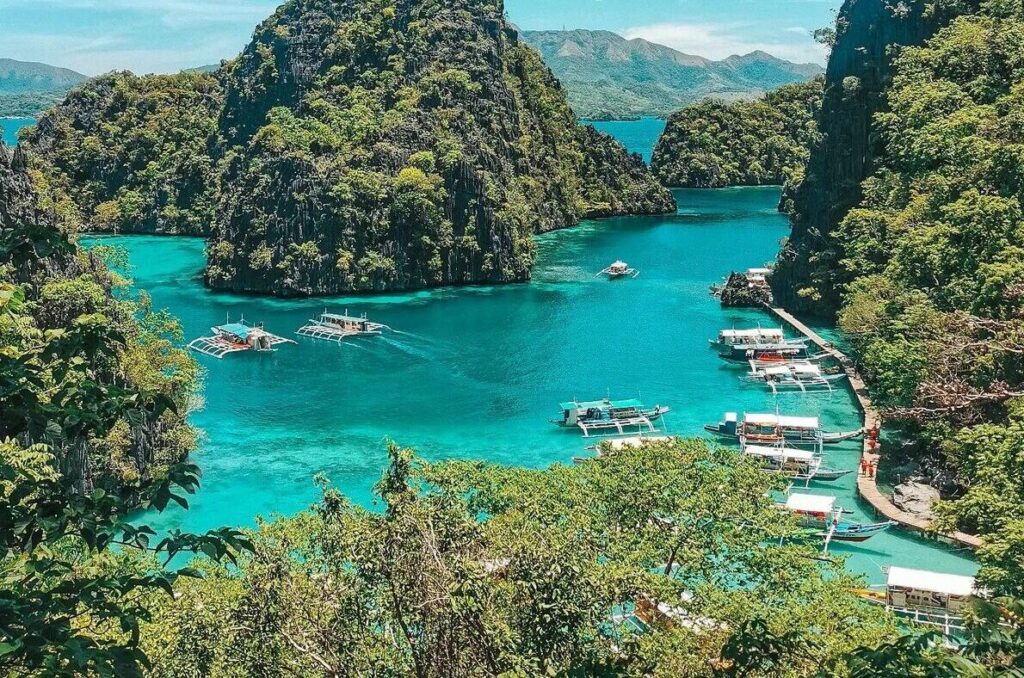
Zanzibar is the perfect finale to an East African safari. After days of dust and dawn game drives, the turquoise waters and white sand beaches of the Spice Island offer a restorative contrast. This Zanzibar travel guide covers everything you need to know: the best beaches, Stone Town attractions, activities, when to visit, and how to combine Zanzibar with a Tanzania safari.
Zanzibar is a semi-autonomous archipelago off the coast of Tanzania in East Africa, surrounded by the warm waters of the Indian Ocean. It is located approximately 35 kilometres from the mainland city of Dar es Salaam. The archipelago comprises two main islands, Unguja which is commonly referred to as Zanzibar and Pemba, along with several smaller islands. Unguja is the main island that most travellers mean when they talk about Zanzibar, home to Zanzibar City and its historic heart, Stone Town. Because Zanzibar is part of Tanzania, it combines easily with mainland safari destinations such as Serengeti National Park, Ngorongoro Crater, Tarangire, and Lake Manyara.
Zanzibar is worth visiting for its white sand beaches, Stone Town, spice farms, diving, snorkelling, and easy safari and beach combinations with Tanzania. It is famous for its warm Indian Ocean water, palm fringed beaches, colourful coral reefs, Swahili culture, and spice trading history. Zanzibar is also a strong value island destination. Compared with some Indian Ocean islands, it offers a wider range of budget, mid range, and luxury options, plus the big bonus of being easy to pair with a Tanzania safari. That makes it a favourite for honeymoons, family holidays, solo travellers, first time Africa trips, and post safari beach breaks.
The best time to visit Zanzibar is generally from June to October, during the cooler dry season, and from mid December to February, during the hotter short dry season. These months usually offer the best beach weather, clearer skies, and better conditions for swimming, snorkelling and diving. June to October is especially popular because it also lines up with the best time to visit many Tanzania safari destinations. This makes it ideal for combining Serengeti, Ngorongoro, or Tarangire with a few relaxed days on Zanzibar’s beaches. July, August, and September are often the best months for dry weather, comfortable temperatures, and reliable beach conditions. January and February are also good months to visit if you enjoy hotter weather and want a tropical beach holiday during the northern hemisphere winter. December brings the festive season, with mid to late December usually hotter and drier.
The wettest months are from mid March to May, especially April, which is often the wettest month. Heavy tropical downpours, high humidity, and rougher sea conditions can make beach time and excursions less predictable. November can also be wetter and windier, although the short rains are usually less intense than the long rains.
| Season | Months | Weather | Best For |
|---|---|---|---|
| Peak Dry Season | June to October | Cool, dry, sunny | Beach holidays, diving, safari combos |
| Short Dry Season | December to February | Hot, dry, sunny | Festive travel, beach relaxation |
| Long Rains | March to May | Wet, humid, rough seas | Budget travel, fewer crowds |
| Short Rains | November | Intermittent rain | Budget travel, green landscapes |
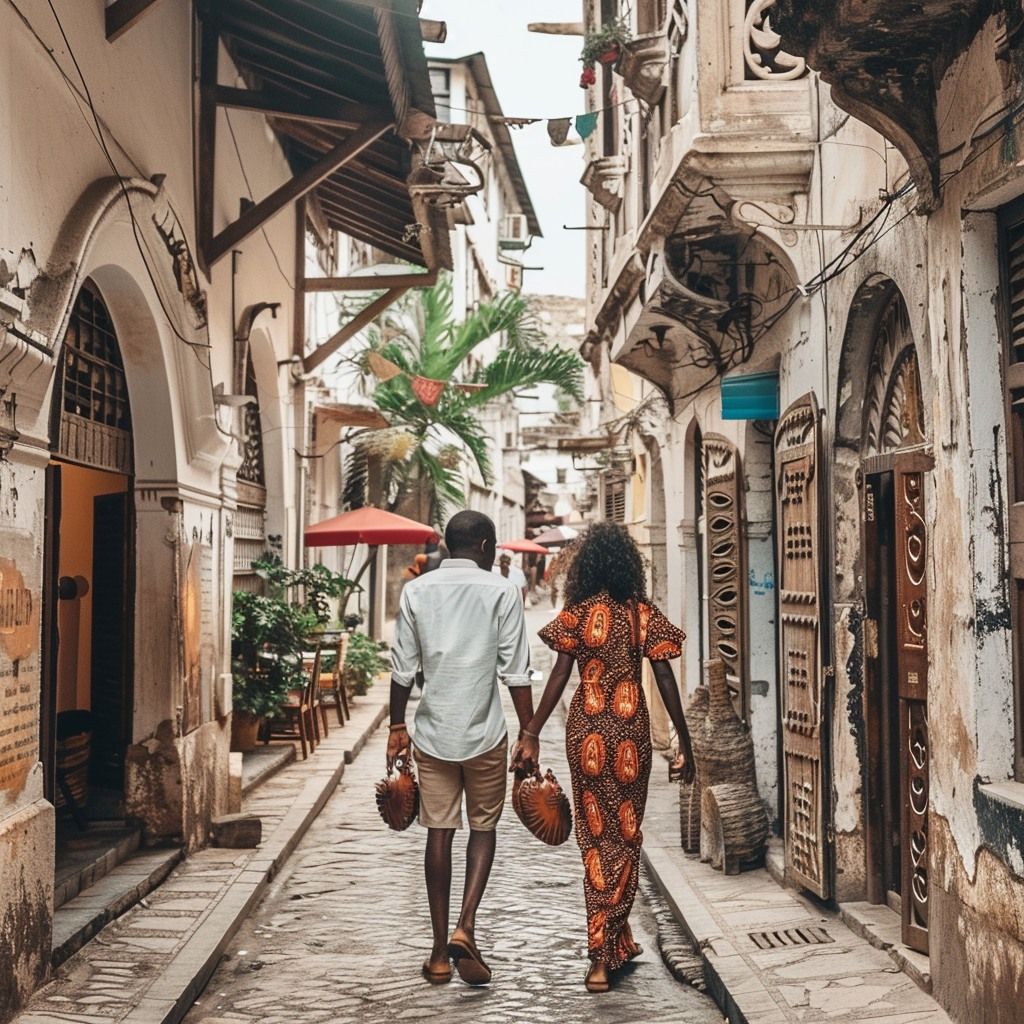
There are many things to do in Zanzibar. Exploring Stone Town is a must do. Stone Town is Zanzibar’s historic centre and a UNESCO World Heritage Site. Its narrow alleyways, carved wooden doors, bustling markets, and historic buildings reflect a blend of African, Arab, Indian, and European influences. Key highlights include the former slave market site, the House of Wonders, the Old Fort, the Sultan’s Palace, and the colourful night market at Forodhani Gardens.

Taking a spice tour is also essential. Zanzibar is known as the Spice Island, and a guided spice tour takes you to a working plantation where you can see, smell, and taste cloves, nutmeg, cinnamon, vanilla, and other spices. You will also learn about traditional remedies and local cooking. A dhow cruise at sunset is another classic Zanzibar experience. Traditional wooden sailing boats glide across the turquoise waters as the sun sets over the Indian Ocean. You can book a private dhow for a romantic evening or join a group trip with drinks and snacks.
Snorkelling and diving are also popular activities. The coral reefs around Zanzibar, particularly at Mnemba Atoll, are home to turtles, reef sharks, and a rainbow of tropical fish. Snorkelling trips are suitable for all ages, while diving requires certification. You can also take a day trip to Prison Island, a short boat ride from Stone Town. The island is home to giant tortoises and has a beautiful beach for swimming. You can walk around the island in less than an hour and learn about its history as a quarantine station and prison.
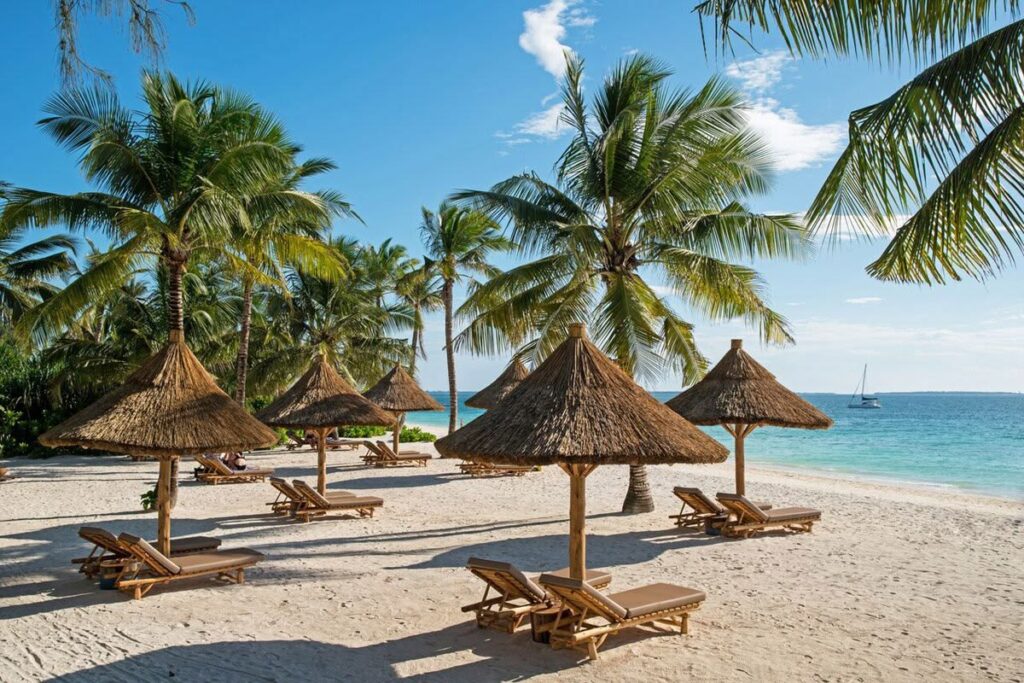
Zanzibar has beaches on both the northern and eastern coasts, each with a different character. The northern beaches of Nungwi and Kendwa offer the most dramatic sunsets, with dhows sailing past the horizon. The water is calm and swimmable year round. Nungwi is more developed and has a lively atmosphere, while Kendwa is quieter and more laid back. The northern beaches are also home to some of Zanzibar’s best luxury resorts, including Zuri Zanzibar, Essque Zalu, and Kilindi Zanzibar.
The eastern beaches of Paje and Jambiani offer wide, white sand beaches and world class kitesurfing when the trade winds blow from June to October. Paje is known for its bohemian vibe and budget friendly accommodation, while Jambiani is more traditional and relaxed. The water is shallower and the tides are more extreme than in the north, so check the tide times before swimming. The eastern beaches are also great for long walks and yoga retreats.
For the widest choice of accommodation, Nungwi and Kendwa offer everything from budget hostels to ultra luxury villas. Paje offers boutique hotels and eco lodges. Stone Town has historic hotels and guesthouses for those who want culture and nightlife.
Most travellers reach Zanzibar by air. Abeid Amani Karume International Airport receives direct flights from regional hubs including Nairobi, Dar es Salaam, Addis Ababa, Doha, Dubai, and Istanbul. From Europe, there are direct flights from Amsterdam and sometimes seasonal charters from other cities. From the United States, most travellers fly via Nairobi, Addis Ababa, or Doha. The flight from Nairobi to Zanzibar takes approximately two hours. The flight from Dar es Salaam takes approximately twenty minutes.
If you are combining Zanzibar with a Tanzania safari, you can fly directly from Serengeti airstrips or Arusha to Zanzibar. Flights from the Serengeti to Zanzibar connect through Arusha or Dar es Salaam. Total travel time is approximately four to five hours. Nomara Safaris handles all internal flight bookings as part of your safari and beach package.
Zanzibar is part of Tanzania, so the same visa rules apply. Most nationalities require a visa for Tanzania. Visas can be obtained on arrival at Zanzibar’s Abeid Amani Karume International Airport, but applying online before travel is recommended to avoid queues. The cost is approximately USD 50 for most nationalities, with US citizens paying USD 100. The visa is valid for 90 days. Ensure your passport has at least six months of validity remaining and at least two blank pages. You will also need to show proof of a return flight and accommodation details. Yellow fever vaccination is required if you are travelling from a yellow fever endemic country.
Zanzibar is a semi-autonomous region with its own government and culture. It is predominantly Muslim, so dress modestly when in Stone Town and local villages. Cover your shoulders and knees. On the beach, swimwear is acceptable, but cover up when leaving the beach. The currency is the Tanzanian shilling, but US dollars are widely accepted. Carry small denominations for tips and local purchases. Credit cards are accepted at major hotels and resorts, but cash is needed for markets and smaller establishments.
Swahili is the official language, but English is widely spoken in tourist areas. The time zone is GMT+3. The voltage is 220-240V, and plugs are the UK three-pin type, the same as Tanzania and Kenya. The water is not safe to drink, so drink only bottled or filtered water. Avoid ice in drinks unless you are sure it is made from filtered water. Tipping is customary. Budget approximately USD 5 to USD 10 per day for general tips and 10 to 15 percent at restaurants.
Zanzibar is the perfect beach extension for a Tanzania safari. The most common combination is a northern Tanzania safari followed by a Zanzibar beach holiday. A typical 10 to 14 day itinerary includes Tarangire, Ngorongoro Crater, the Serengeti, and then four to five nights in Zanzibar. You can fly from the Serengeti directly to Zanzibar, or from Arusha after your safari. The contrast between the dust of the savannah and the turquoise of the Indian Ocean is restorative.
You can also combine Zanzibar with a Kenya safari. Fly from Nairobi to Zanzibar after visiting the Masai Mara. Kenya Airways offers direct flights. For travellers who want both gorillas and a beach holiday, you can combine Uganda gorilla trekking with Zanzibar. Fly from Entebbe to Zanzibar via Nairobi or Dar es Salaam. This is a longer combination requiring at least 10 to 12 days. Zanzibar also works as a standalone destination for travellers who want a beach holiday with cultural experiences.
The best time to visit Zanzibar is from June to October and December to February. These months offer the best weather, with sunny days and calm seas. June to October is the cool dry season, perfect for combining with a safari. December to February is hot and dry, ideal for festive travel. The wettest months are April and May.
You need a minimum of four nights in Zanzibar to appreciate the island. This allows you to explore Stone Town, relax on the beach, and take a spice tour or snorkelling trip. For a more relaxed holiday, five to seven nights is recommended. This gives you time to enjoy the beach and take day trips.
Yes, Zanzibar is safe for tourists. Petty crime like pickpocketing can occur in crowded areas, so keep valuables secure. The island is well policed, and the tourist areas are safe. Dress modestly in Stone Town and local villages. The sea is generally safe for swimming, but check with locals about currents and tides.
Yes, combining Zanzibar with a safari is very common. The most popular combination is a Tanzania safari followed by a Zanzibar beach holiday. You can fly directly from the Serengeti or Arusha to Zanzibar. You can also combine Zanzibar with a Kenya safari or Uganda gorilla trekking, though this requires more time.
Pack light clothing, swimwear, beach cover ups, sandals, a sun hat, sunglasses, high SPF sunscreen, insect repellent, a reusable water bottle, and a camera. Pack modest clothing for Stone Town, including long trousers and shirts that cover shoulders and knees. A light jacket is useful for cooler evenings and air conditioned flights.
Zanzibar is the perfect way to end your East African safari. The white sand beaches, turquoise waters, and rich Swahili culture make it a destination in its own right. At Nomara Safaris, we design custom itineraries that combine Tanzania safaris with Zanzibar beach holidays. Contact Nomara Safaris to begin planning your Zanzibar beach extension. Tell us your preferred travel dates and group size. We will create a custom itinerary for you.