
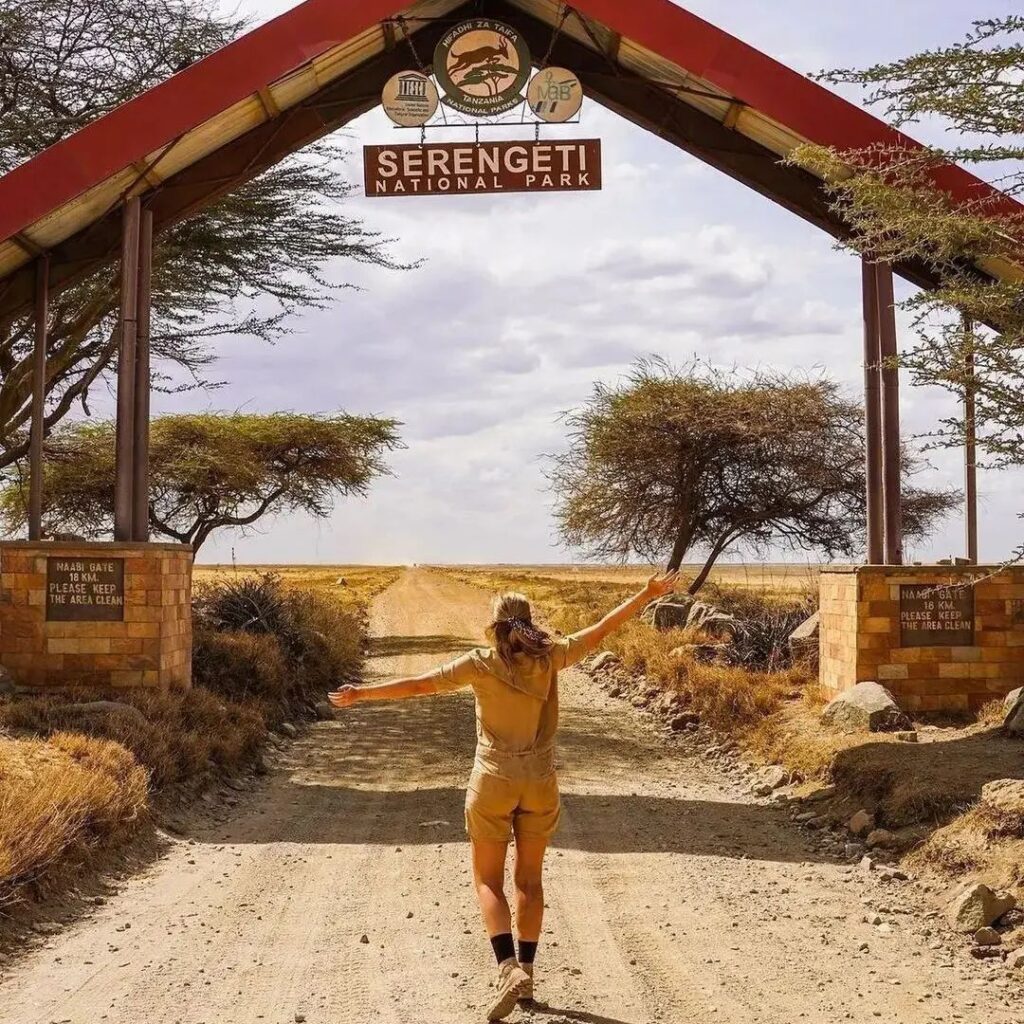
The Serengeti is the crown jewel of Tanzania’s national parks and one of the most famous wildlife destinations on earth. Before you can witness the Great Migration, track lions on the endless plains, or watch a cheetah hunt at dawn, you must pay the Serengeti National Park entry fees. These fees are a significant part of your safari budget, and understanding them helps you plan accurately. For 2026, the Serengeti National Park entry fees have been updated, with increases reflecting continued investment in conservation and infrastructure. This expert cost guide breaks down the Serengeti National Park entry fees for non resident adults and children, vehicle fees, crater fees for the Ngorongoro area, and the additional costs for the Ngorongoro Crater. You will learn how the fees are structured, when they apply, and how to budget for your Serengeti safari. Whether you are booking a luxury lodge safari or a budget camping adventure, understanding Serengeti National Park entry fees for 2026 is essential for planning your Tanzania safari.
The Serengeti National Park entry fees are set by the Tanzania National Parks Authority. For 2026, the fees have increased slightly from previous years, reflecting the rising costs of park management, anti poaching operations, and conservation programs. All visitors entering the Serengeti must pay these fees, regardless of whether they are on a guided safari or a self drive trip. The fees are per person per 24 hour period. If you enter the park at 10:00 AM on Monday, your fee covers you until 10:00 AM on Tuesday. Overnight stays count as one full day. The Serengeti National Park entry fees do not include accommodation, guide services, or vehicle hire. They are separate from concession fees for private lodges and from crater fees for the Ngorongoro Crater.
The fees are structured by residency status. Non resident adults pay the highest rate. Non resident children pay a reduced rate. Tanzanian citizens and residents pay significantly lower rates. The fees are paid in US dollars or Tanzanian shillings at the park gates. Most visitors pay in USD. The Serengeti National Park entry fees for 2026 are non refundable. If you leave the park and re enter on the same day, you do not pay again. If you leave and return on a different day, you pay a new fee. Understanding these fees helps you plan the length of your stay and your budget.
For 2026, the Serengeti National Park entry fees for non resident adults are approximately USD 80 to USD 100 per person per day. The exact rate depends on the season and any policy changes. The peak season rate from June to October is typically USD 100. The green season rate from November to May is typically USD 80 to USD 90. These rates are subject to change. Non resident children aged 5 to 15 pay approximately USD 40 to USD 50 per day. Children under 5 are usually free. The Serengeti National Park entry fees for children are half the adult rate.
For a typical 7 day safari that includes 4 days in the Serengeti, a non resident adult would pay approximately USD 320 to USD 400 in park entry fees alone. A family of four with two adults and two children would pay approximately USD 800 to USD 1,000 for the same 4 day stay. The Serengeti National Park entry fees are a significant part of your safari budget. When comparing tour operators, ensure that park fees are included in the quoted price. Some budget operators exclude them, adding them as a surprise later.
In addition to per person Serengeti National Park entry fees, there is a vehicle entry fee. For 2026, the vehicle entry fee is approximately USD 40 to USD 60 per vehicle per day. This fee applies to all vehicles entering the park, including safari Landcruisers, self drive cars, and tour operator vehicles. The fee is the same regardless of the number of passengers. For a private safari vehicle with 2 to 6 passengers, the vehicle fee adds approximately USD 10 to USD 30 per person per day when divided among the group.
The vehicle entry fee for the Serengeti National Park entry fees structure is often overlooked by budget travelers. If you are on a self drive safari, you must pay this fee. If you are on a guided safari, your tour operator should include it in your quoted price. The vehicle fee covers road maintenance, vehicle permits, and park access for your driver. Unlike the per person fees, the vehicle fee is not discounted for children or residents. All vehicles pay the same rate.
Many travelers combine the Serengeti with the Ngorongoro Crater. The Ngorongoro Conservation Area has a separate fee structure that is not part of the Serengeti National Park entry fees. For 2026, the Ngorongoro Crater entry fee is approximately USD 80 per person per day. There is also a vehicle entry fee of approximately USD 30 to USD 40 per vehicle. The crater fee is higher than the Serengeti fee because the crater is a smaller, more concentrated area with higher wildlife density. The crater fee applies only when you descend into the crater. If you stay on the rim and do not descend, you may pay a lower conservation area fee.
For a combined Serengeti and Ngorongoro safari, you will pay both the Serengeti National Park entry fees and the Ngorongoro crater fees. For a 4 day Serengeti stay and a 1 day Ngorongoro crater descent, a non resident adult would pay approximately USD 320 to USD 400 for the Serengeti plus USD 80 for the crater, totalling USD 400 to USD 480 in park and crater fees alone. These fees are a significant part of any Tanzania safari budget.
| Fee Type | 2026 Estimated Cost (USD) | Applicable To |
|---|---|---|
| Serengeti Adult Entry (Peak) | 100 per day | Non resident adults |
| Serengeti Adult Entry (Green) | 80 to 90 per day | Non resident adults |
| Serengeti Child Entry | 40 to 50 per day | Non resident children 5-15 |
| Serengeti Vehicle Entry | 40 to 60 per day | All vehicles |
| Ngorongoro Crater Entry | 80 per descent | Non resident adults |
| Ngorongoro Vehicle Entry | 30 to 40 per descent | All vehicles |
This table summarises the key fees for planning your Serengeti National Park entry fees budget. Remember that these are estimates for 2026. Fees may change, and your tour operator will confirm the exact rates at the time of booking.
Serengeti National Park entry fees are collected at the park gates. The main gates are Naabi Hill (the most common entry point from the Ngorongoro side), Ndabaka (western corridor), Kleins (northern Serengeti), and Tabora (southern plains). When you arrive, your guide or you will present your passports and vehicle documents. The park rangers calculate your fees based on your residency status, the number of days you will be in the park, and the number of people. Payment can be made in US dollars or Tanzanian shillings. US dollars should be crisp, new bills with no tears or markings. Older or damaged bills are often rejected.
The Serengeti National Park entry fees are typically included in safari packages from reputable tour operators. Nomara Safaris includes all park and crater fees in our quotations. There are no hidden fees. If you book a budget safari, always ask whether park fees are included. Some budget operators quote a low price and then add the Serengeti National Park entry fees later, increasing your total cost significantly. Always request an itemised quotation.
Understanding Serengeti National Park entry fees for 2026 helps you budget accurately. Here are several tips to manage your costs. First, plan the number of days you will spend in the Serengeti carefully. The park is large, and you need at least 3 to 4 days to see the highlights. Do not cut your stay too short. Second, travel during the green season from November to May. The Serengeti National Park entry fees are lower, accommodation prices drop by 30 to 50 percent, and the crowds are smaller. Third, book a group tour rather than a private safari. Sharing the vehicle and guide costs reduces your per person expense. The Serengeti National Park entry fees are the same for group and private safaris, but the other costs are lower.
Fourth, ask your tour operator for a fully itemised quotation showing the Serengeti National Park entry fees separately. This transparency helps you compare operators. Fifth, consider a longer stay. The Serengeti National Park entry fees are per day, but the cost per day of your overall safari decreases as you add more days because fixed costs like flights and transfers are spread out. Finally, bring crisp USD bills for any fees not included in your package. The Serengeti National Park entry fees are non refundable, so double check your itinerary before payment.
For 2026, Serengeti National Park entry fees for non resident adults are approximately USD 80 to USD 100 per day. Peak season from June to October is USD 100. Green season is USD 80 to USD 90. Children aged 5 to 15 pay approximately USD 40 to USD 50 per day. There is also a vehicle entry fee of approximately USD 40 to USD 60 per day. These fees are subject to change, so confirm with your tour operator at the time of booking. Nomara Safaris includes all Serengeti National Park entry fees in our quotations.
Most reputable tour operators include Serengeti National Park entry fees in their safari packages. However, some budget operators exclude them to quote a lower price. Always ask for an itemised quotation. Nomara Safaris includes all park fees, vehicle fees, and crater fees in our packages. There are no hidden charges. When comparing quotes, check whether the Serengeti National Park entry fees are included or added as an extra.
Yes, the Serengeti National Park entry fees are charged per 24 hour period. If you enter the park at 10:00 AM on Monday, your fee covers you until 10:00 AM on Tuesday. Overnight stays count as one full day. For a typical 4 day Serengeti safari, you will pay 4 days of entry fees. The fees are non refundable. Your guide will ensure you exit the park before your paid time expires to avoid additional charges.
Serengeti National Park entry fees apply to entering the Serengeti for game drives. Ngorongoro crater fees apply to descending into the Ngorongoro Crater. They are separate fees managed by different authorities. The Serengeti fee is paid per day of entry. The Ngorongoro crater fee is paid per descent into the crater. Most safaris that visit both destinations will pay both sets of fees. The Serengeti National Park entry fees are generally higher because you spend multiple days in the park.
Yes, you can pay Serengeti National Park entry fees in either US dollars or Tanzanian shillings. Most visitors pay in USD because the exchange rate is stable. If you pay in shillings, the exchange rate used is set by the park authority and may not be favourable. US dollars should be crisp, new bills with no tears or markings. Older or damaged bills are often rejected. Nomara Safaris handles all Serengeti National Park entry fees payments on behalf of our clients, so you do not need to carry large amounts of cash.
Understanding Serengeti National Park entry fees for 2026 is the first step in planning your Tanzania safari budget. At Nomara Safaris, we include all park fees, vehicle fees, and crater fees in our quotations. There are no hidden charges. Contact Nomara Safaris to begin planning your Serengeti safari. Tell us your preferred travel dates, group size, and accommodation preferences. We will provide a transparent, itemised quotation with all Serengeti National Park entry fees included.