

Planning your first safari is exciting, but it can also feel overwhelming. With so many destinations, lodges, and experiences to choose from, knowing where to start can be difficult. After more than 100 safaris, I’ve learned what can make the difference between a good trip and a truly memorable one. Here are 10 practical tips to help first-time safari travellers prepare for their African safari adventure
Africa is vast, and each region offers a different safari experience. For a first safari, East Africa and Southern Africa are two of the most popular choices.
East Africa, including Kenya, Tanzania, Uganda, and Rwanda, offers classic savannah landscapes, the Great Migration, and opportunities to see mountain gorillas. The Serengeti and Masai Mara are particularly appealing to travelers who dream of vast herds and big cats.
Southern Africa, including South Africa, Botswana, and Namibia, offers diverse landscapes, excellent wildlife viewing, and well-developed safari infrastructure. South Africa’s Kruger National Park is especially accessible, with a wide range of accommodation and safari options for different budgets.
For your first trip, it is usually better to focus on one region or country rather than trying to cover several destinations. A safari of five to ten days can provide a good balance of wildlife viewing, relaxation, and travel time for first-time safari travellers.
Your guide and safari operator can make a big difference to your experience. An experienced guide knows how to track wildlife, interpret animal behaviour, and position the vehicle at the right time, turning an ordinary game drive into a memorable experience.
When choosing a safari operator, look for one with experience helping first-time safari travellers. Check that the pricing is transparent and ask what is included, such as park fees, meals, activities, accommodation, and transfers. It is also worth choosing an operator that supports conservation and local communities.
A reputable safari specialist can handle permits, park fees, transportation, and other logistics while recommending suitable lodges and activities for your budget. This saves you time and reduces the stress of planning your first safari.
Timing matters when planning a safari. The dry season, generally from June to October in East Africa and May to September in Southern Africa, is often ideal for wildlife viewing because animals gather around water sources and thinner vegetation makes them easier to spot.
The green or rainy season has its own advantages, including lush landscapes, fewer visitors, excellent birdwatching, and potentially lower accommodation prices. If you want to witness the Great Migration river crossings, July to October is generally the key period in the Masai Mara and Serengeti, although the exact timing varies each year. For travelers looking for fewer crowds and better value, the shoulder months can also be a good option.
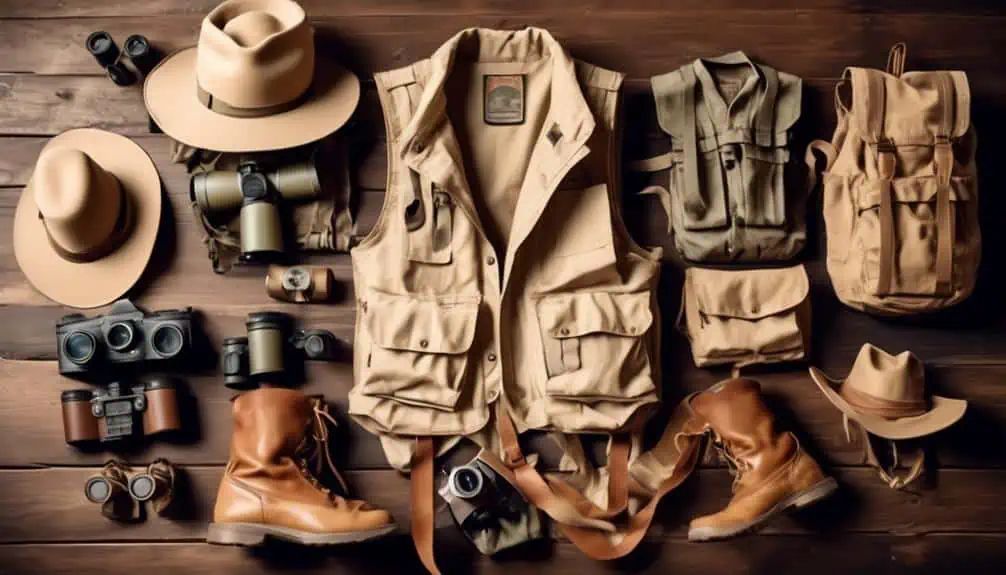
Packing for a safari is about comfort and practicality rather than fashion. Choose neutral-coloured clothing such as khaki, olive, or beige, and avoid bright colours and camouflage. Pack layers because mornings can be cool while afternoons are often warmer, and bring a fleece and waterproof jacket for changing weather. Comfortable closed-toe shoes are useful for game drives and walks, while a hat, sunglasses, high-SPF sunscreen, lip balm, and insect repellent will help protect you outdoors. Binoculars are valuable for spotting wildlife at a distance, and if you plan to take photographs, bring a camera with a good zoom lens, spare batteries, and extra memory cards. A soft-sided duffel bag is usually more practical than a hard suitcase, especially when travelling on small aircraft, where luggage restrictions may apply. Since many lodges offer laundry services, you can pack light without needing a complete outfit for every day.
A typical safari day follows a rhythm set by nature rather than the clock. Mornings usually begin before sunrise, when you head out while the air is cool and wildlife is most active. This can be an excellent time to look for predators and other animals. Around midday, you return to camp for breakfast, lunch, and some downtime while wildlife becomes less active in the heat. You can use this time to relax, read, take a nap, or enjoy the lodge facilities before heading out again in the afternoon. As temperatures cool, wildlife activity often increases, and the warm evening light creates excellent opportunities for photography. After sunset, evenings are usually spent relaxing around the campfire or enjoying dinner while listening to the sounds of the African bush. Most importantly, be patient and enjoy the experience; some of the most memorable wildlife encounters happen when you least expect them.
Your guide’s instructions are non-negotiable. They are there to keep you safe and help you get the most out of your experience. Never leave the vehicle unless explicitly told it is safe. Wildlife is unpredictable. Keep your voice low on game drives to avoid startling animals. Avoid sudden movements when animals are close. Do not walk alone at night in camp. Ask for an escort. Respect the animals’ space. This is their home, and you are a guest.
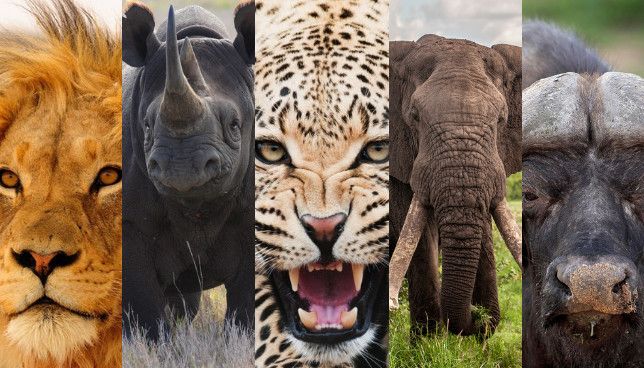
The Big Five lion, leopard, elephant, rhino, and buffalo are a popular goal, especially for first-time safari travellers, but they should not define your entire experience. Different parks and reserves are known for different wildlife, so instead of simply ticking animals off a list, slow down and appreciate the smaller moments.
Look for the unexpected: a honey badger, a martial eagle, a troop of baboons playing, or the tracks of a leopard in the dust. A safari is as much about the journey, the landscapes, and the details as it is about the famous wildlife sightings.
You do not need professional equipment to capture amazing safari memories. A 200–400mm zoom lens or a good bridge camera can be ideal for wildlife photography. Pack extra batteries and memory cards, as charging opportunities may be limited in some camps. Turn off your flash because it can disturb animals and affect the experience.
Most importantly, remember that the most powerful image is not always the one in your gallery, but the one you carry in your memory. Put the camera down occasionally, take in your surroundings, and watch. Some moments are better experienced than photographed.
The headline cost of your safari is not always the full picture. Remember to budget for tips, souvenirs, and optional activities that may not be included in your package. Tipping your guide and camp staff is customary and appreciated, although the amount can vary depending on the destination, service, and length of your stay.
Optional experiences such as hot air balloon safaris, night drives, and walking safaris can add something special to your trip but usually come at an additional cost. Before travelling, check your itinerary carefully to understand what is included and what you will need to pay for separately. This helps you avoid unexpected expenses and enjoy your safari with greater peace of mind.
A safari is not a typical holiday. Tips for first-time safari travellers: it can be unpredictable, occasionally uncomfortable, and absolutely unforgettable. Embrace the early mornings, the dust, and the patience required. The magic happens when you let go of expectations and allow Africa to reveal itself to you. Enjoy the unexpected moments, trust your guide, and remember that every game drive is part of the adventure.
Your first safari is a milestone, and we are here to make it a memorable one. At Nomara Safaris, we create personalised experiences for first-time safari travellers based on your interests, budget, and travel dates. Tell us about your dream safari, and our team will design a custom itinerary that gives you the best possible introduction to Africa.